Inclusive Technology for Museums: Sensory Substitution and Augmentation for Inclusive Exhibitions
How can sensory augmentation and substitution technologies contribute to greater sensory inclusivity for diverse museum visitors?
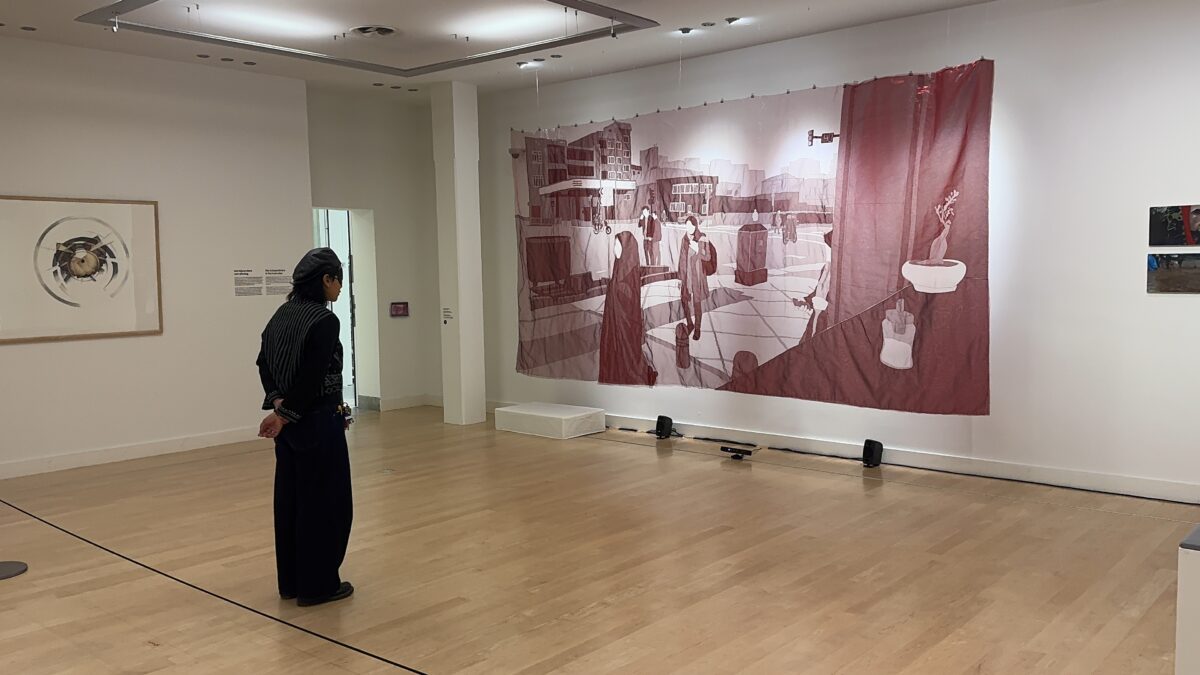


How can experimental audio technologies make art and museum spaces more accessible to visitors with different sensory abilities? As part of the research project Inclusive Technologies for Museums, CARADT researchers and design partners are exploring new possibilities for sensory-inclusive museum experiences through a series of experimental interventions.
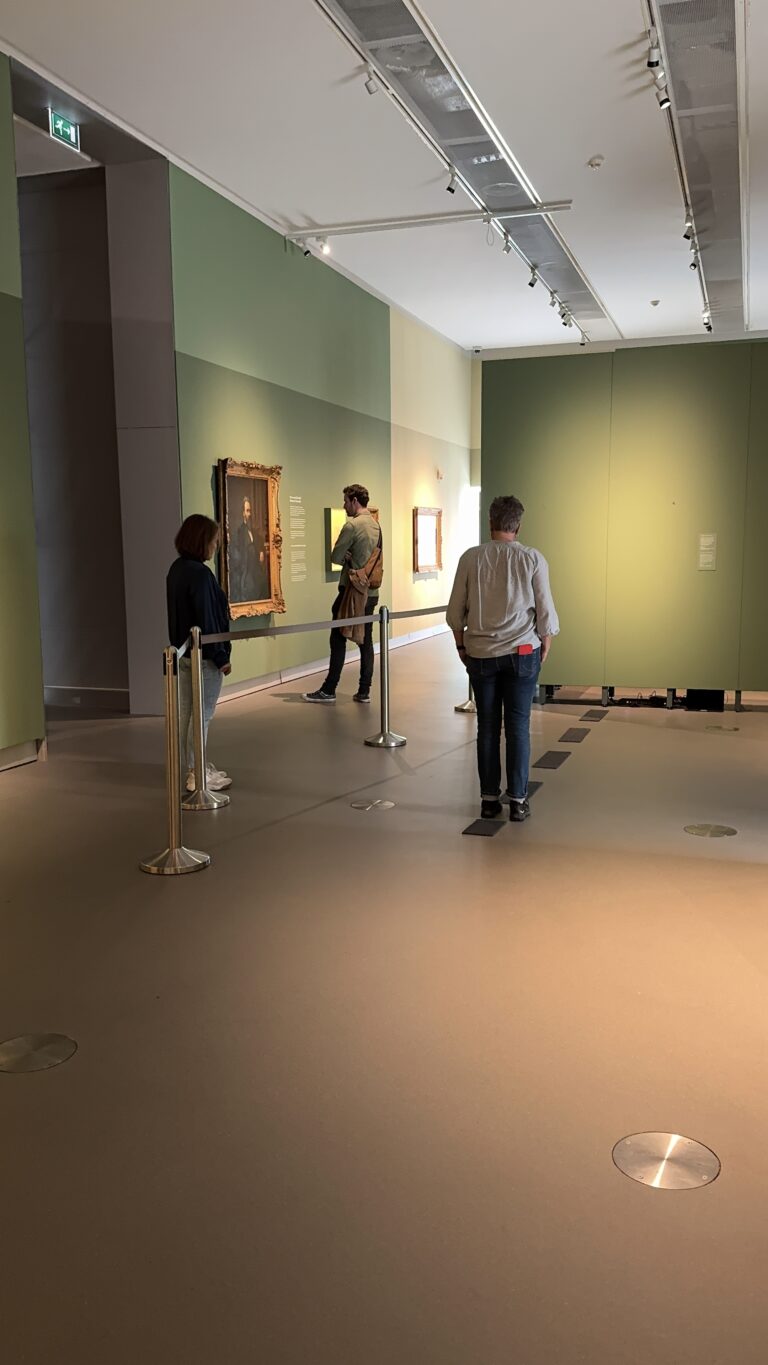
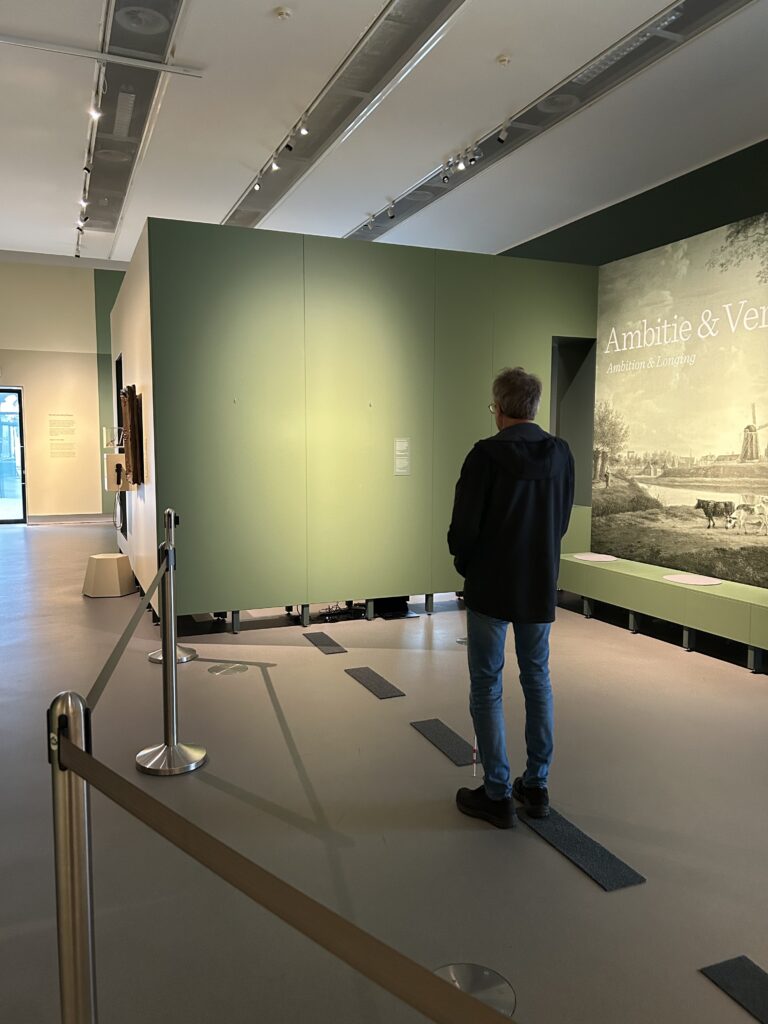
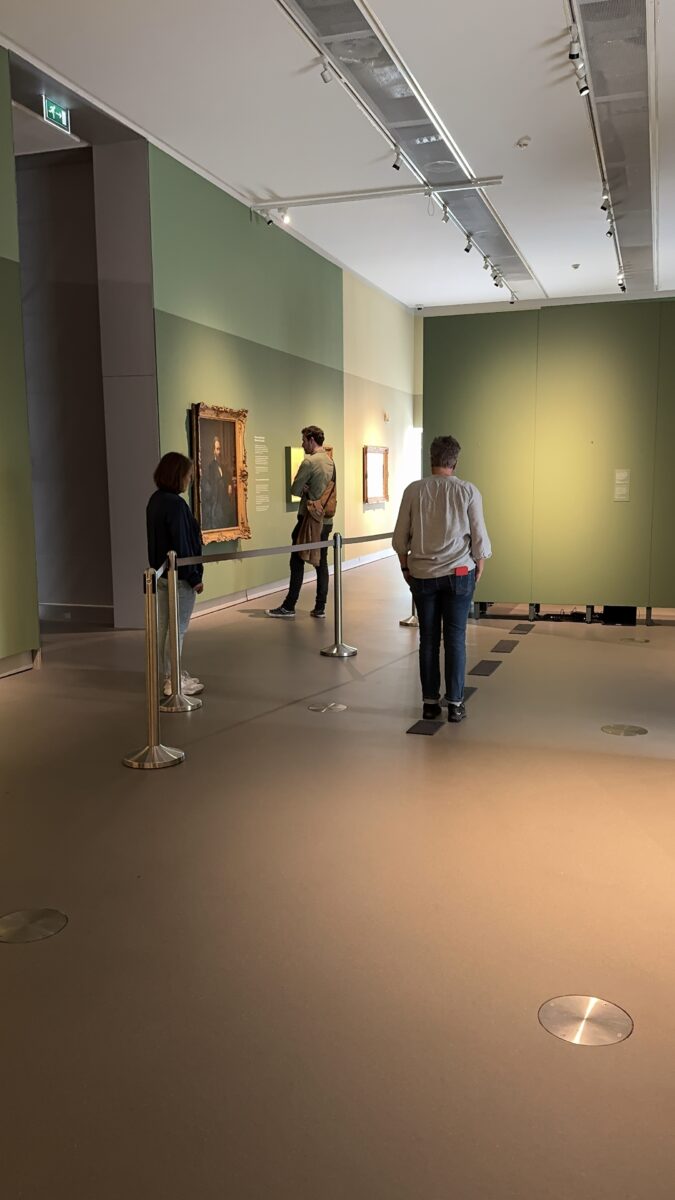
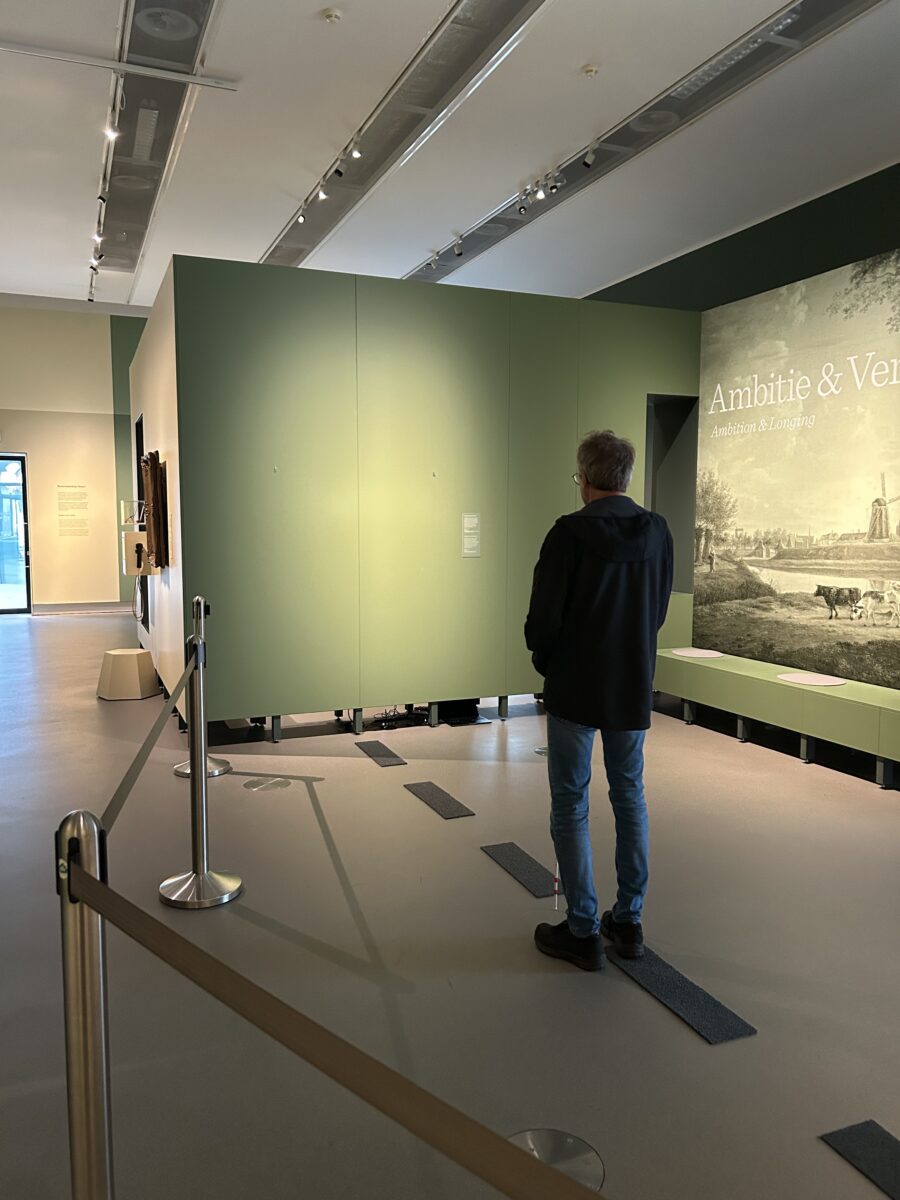
Following the first pilot at Museum de Fundatie in September, the research team continued testing experimental audio interventions at Stedelijk Museum Breda.
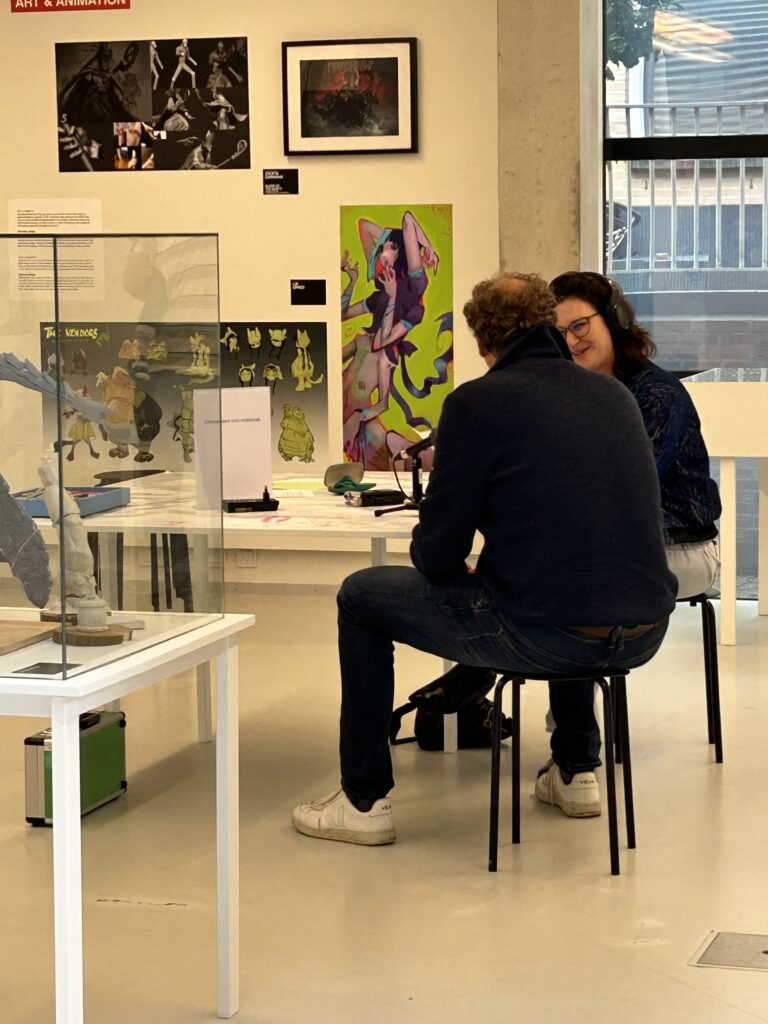
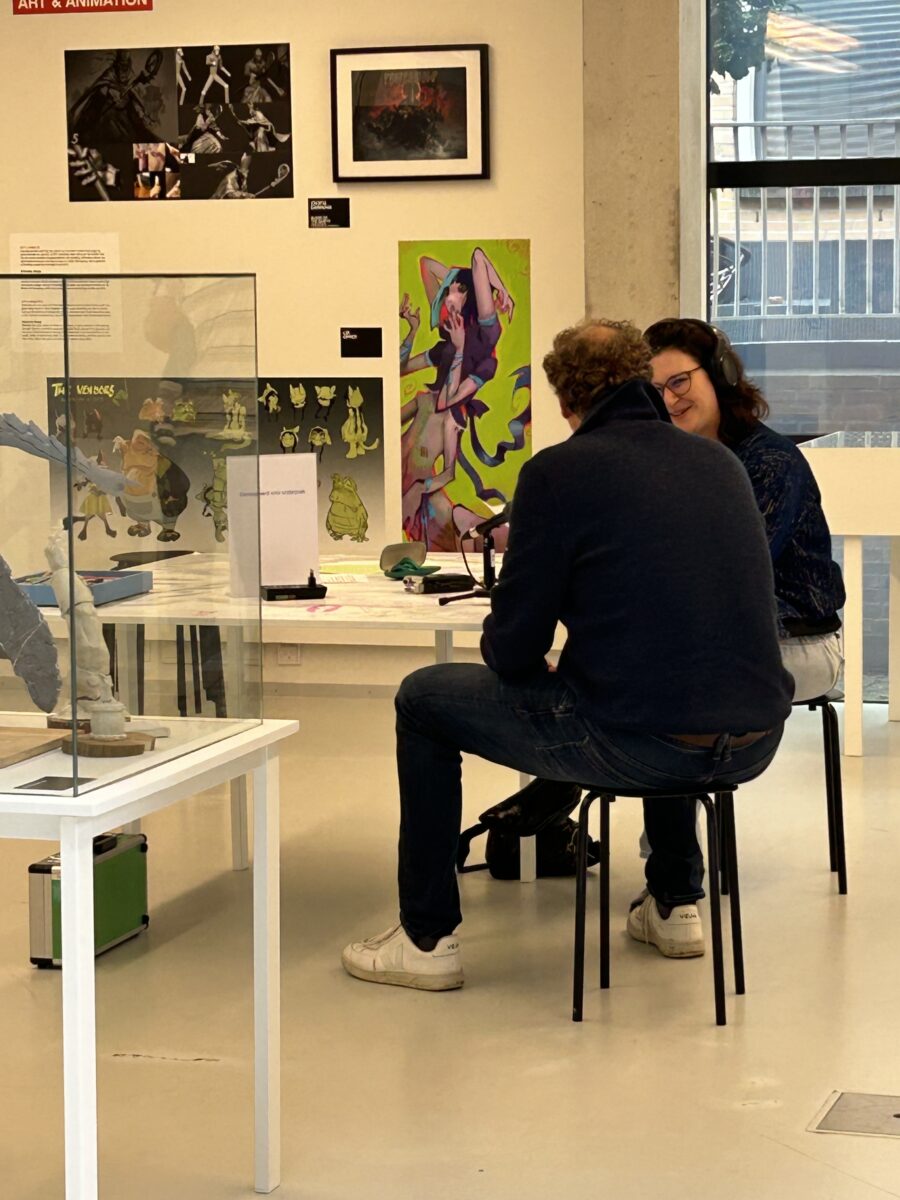
Developed by Rnul Interactive and Simon Dogger, the same two interventions were explored in a different museum setting, with new exhibitions and artworks. Blind, partially sighted and sighted visitors participated in the research, sharing their experiences through interviews conducted by CARADT researchers.
By testing the interventions in different museum contexts, the project continues to explore how experimental audio technologies might contribute to more inclusive ways of experiencing art. The interviews will provide further insights into visitors’ experiences and the possibilities and challenges of sensory-inclusive exhibition design.
Project team: Eva Fotiadi, Professor Michel van Dartel, and Associate Professor Alwin de Rooij
Special thanks to Jenny van den Broeke
About the pilot at Museum de Fundatie
How can sensory augmentation and substitution technologies contribute to greater sensory inclusivity for diverse museum visitors?
‘Could experimental sensory translation of art works improve their accessibility for sensory diverse exhibition audiences?’
Eva Fotiadi is a researcher within the Situated Art, Design and Technology research group and a theory tutor at the St Joost School of Art and Design, where she is also a member of the Diversity Dialogues platform
‘People are the product of their relationships with their environment. It’s important to understand how technological developments influence these relationships.’
Michel van Dartel is Research Professor Situated Art, Design and Technology at the Avans Centre of Applied Research for Art, Design and Technology (CARADT) and was affiliated with V2_Lab for the Unstable Media between 2005-2024. He holds an MSc in cognitive psychology and a PhD in artificial intelligence.
‘‘Understanding how creativity and imagination emerge from interactions with our environment will lead to improved innovation processes, tools and technologies.’’
Alwin de Rooij is Associate Professor in Situated Art, Design, and Technology at the Avans Centre of Applied Research for Art, Design and Technology (CARADT), and Assistant Professor in Creativity Research in the department of Communication and Cognition, Tilburg University.
‘Imagination is the key to a strong inclusive society. Artistic work and situated design can contribute to a better understanding of the other.’
Jenny van den Broeke is a researcher within the Situated Art, Design and Technology research group, and a tutor on the Photography, Film & the Digital study programme at St. Joost school of Art & Design in Breda. In her own practice she works as a trainer, director, and producer of artistic projects that address social topics.
The research group Situated Art, Design and Technology (SADT) focuses on the societal embedding and embodiment of knowledge production that art and design research enables. The conducted research contributes to a deeper understanding of technological developments and their impact on people, society, and the environment, and to the development of situated approaches in the creative sector and beyond. In doing so, it advances a wider acknowledgement of artistic and design research as a mode of knowledge production, one that is grounded in creativity and critical imagination as a way of generating insight into, and intervening in, societal transitions driven by technology.
Read more
Thank you for your subscription! Please check your email inbox to confirm.