By Eva Fotiadi, with Professor Michel van Dartel and Associate Professor Alwin de Rooij
What if audio descriptions of artworks would become spatial, unfolding their narrative as the beholder approaches the artwork, starting with general impressions and moving on to details? And what if the presence of discreet sounds would enhance non-visual navigation in a museum building, facilitating especially visitors with visual impairments to create a mental map of the space?
The imperative of access and inclusion, the ever tighter budgets, but also the taboos around interfering in the aesthetic experience of artworks, often force art museums to rely on standardized solutions for sensory diverse visitors. Yet museums are ideal spaces for experimentation, and creative access is emerging as an open and increasingly popular field of possibilities for artists and curators.
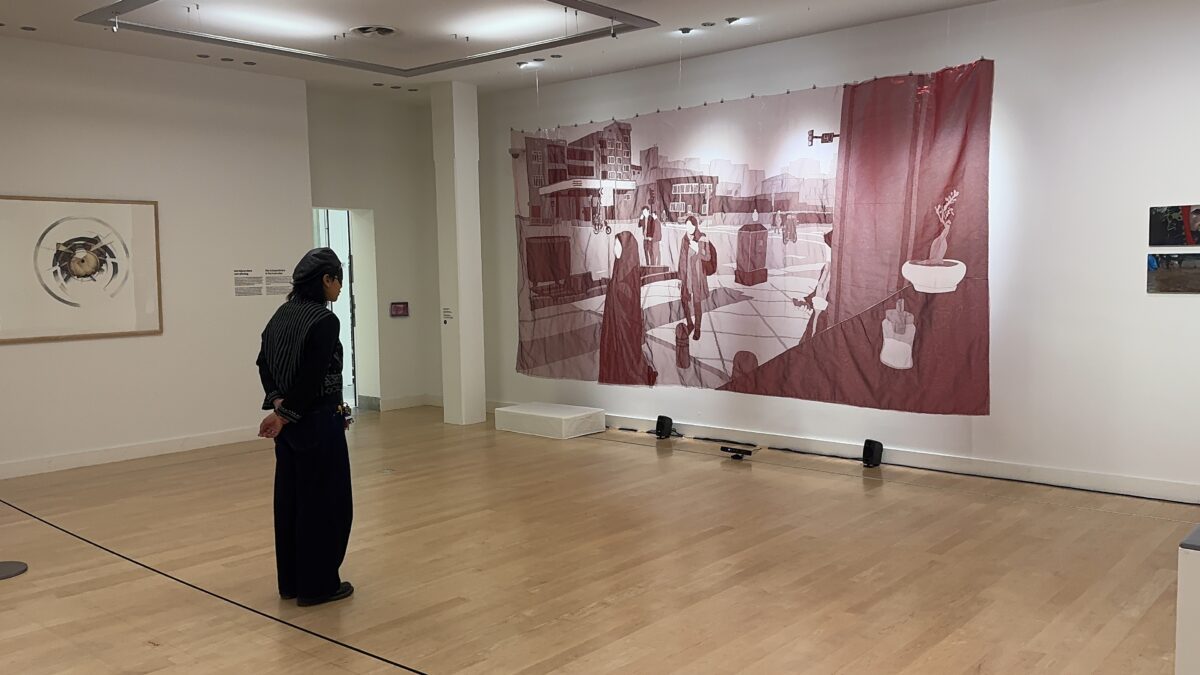
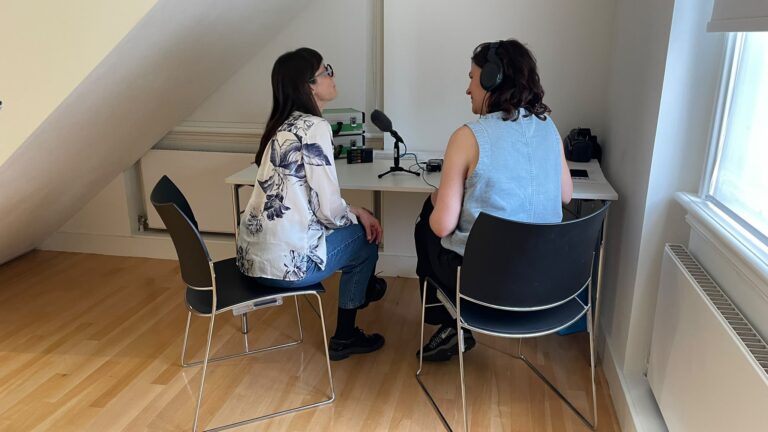
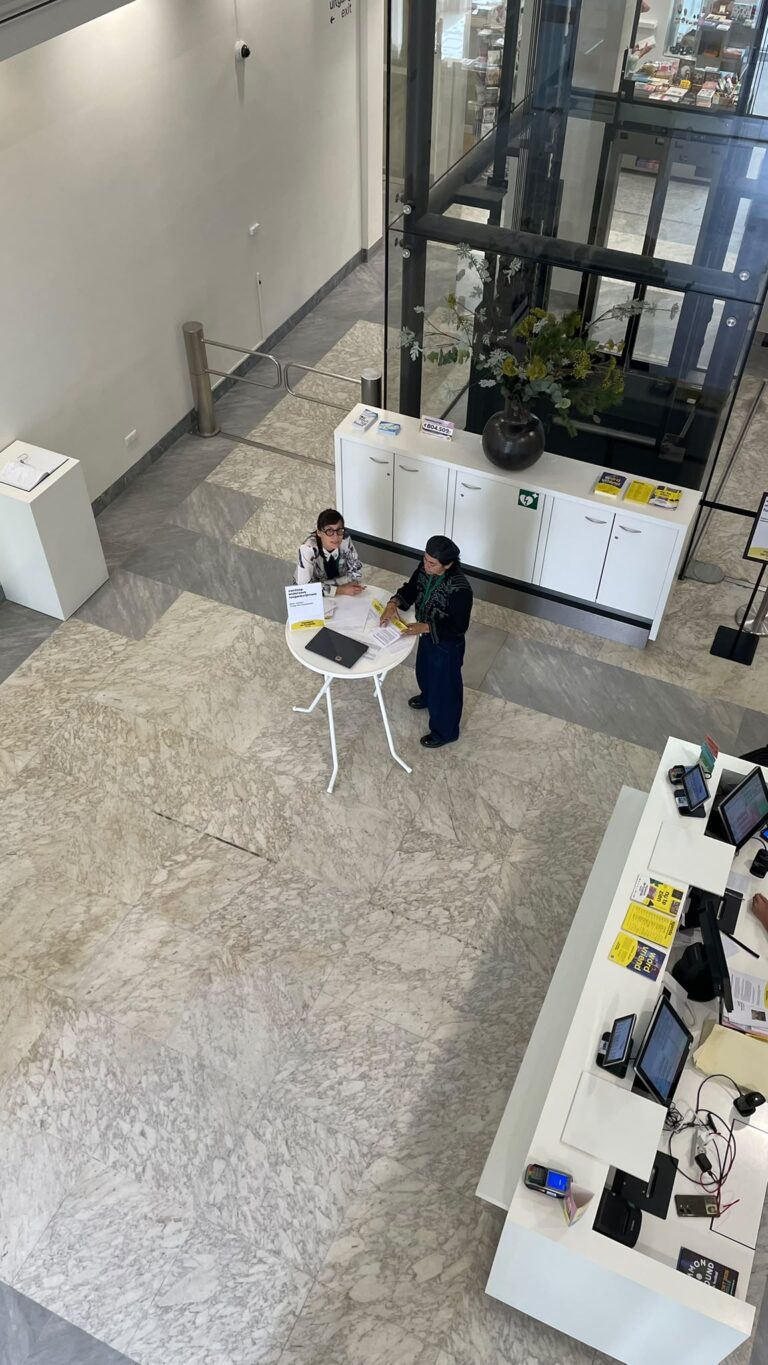
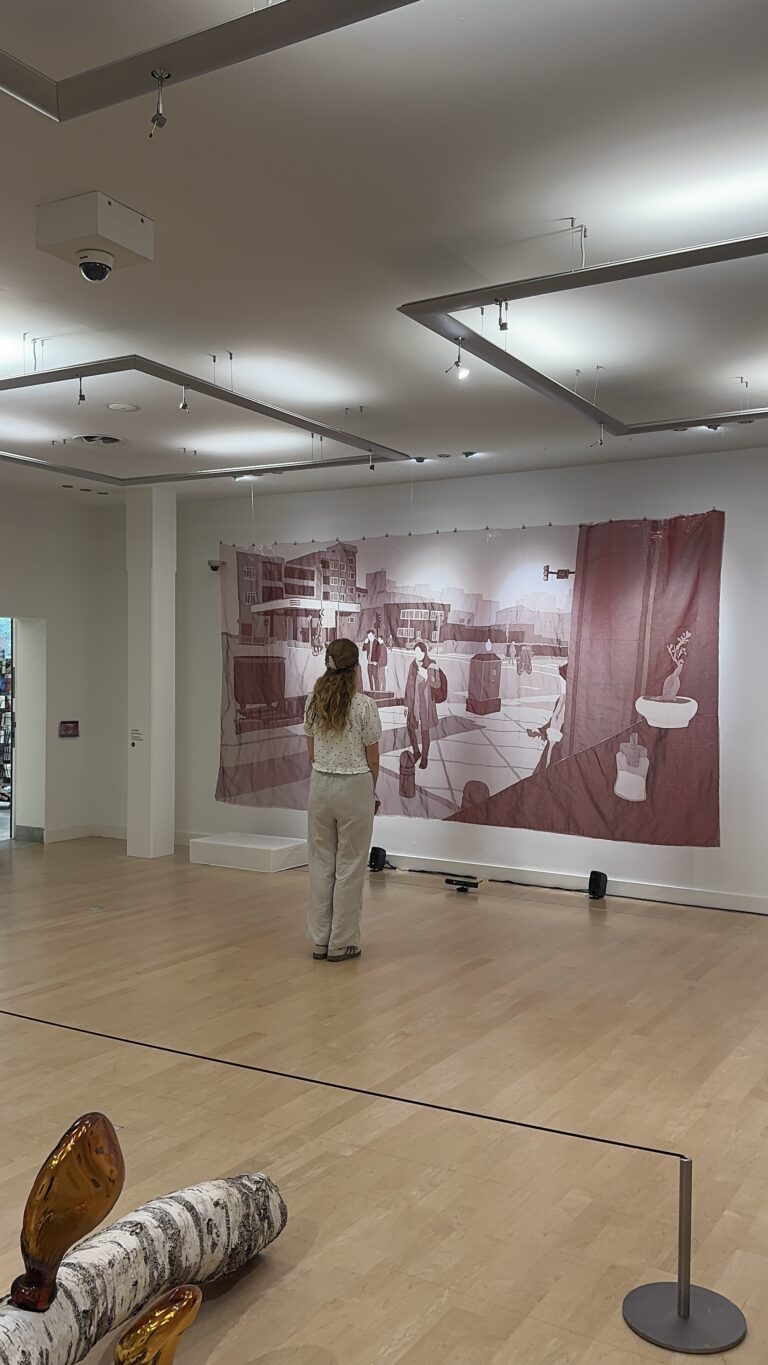
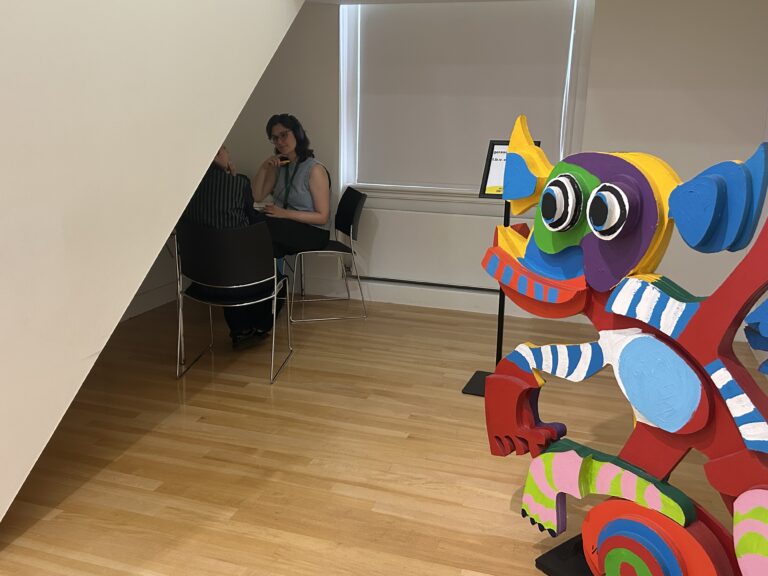
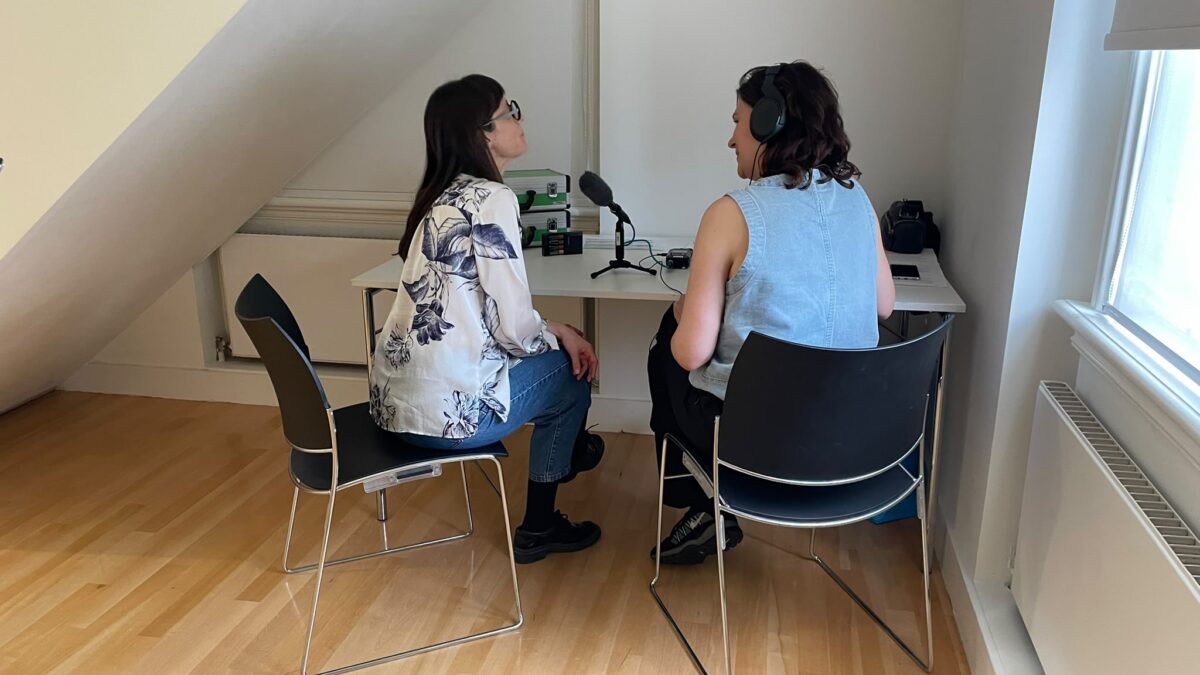
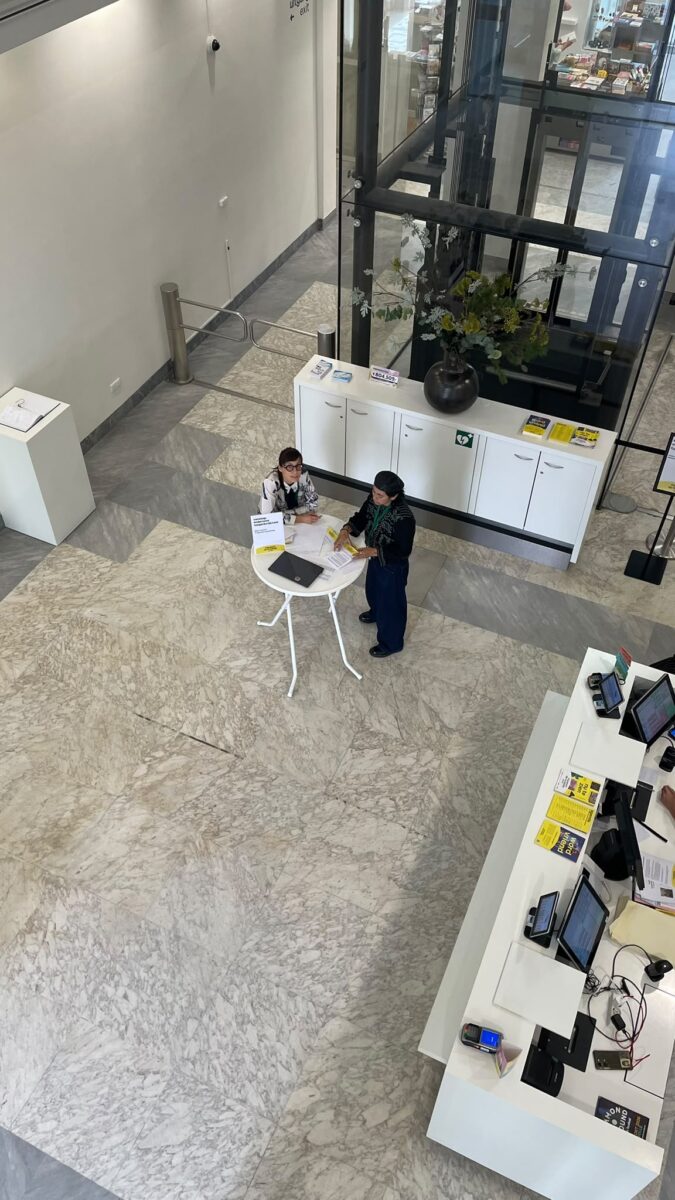
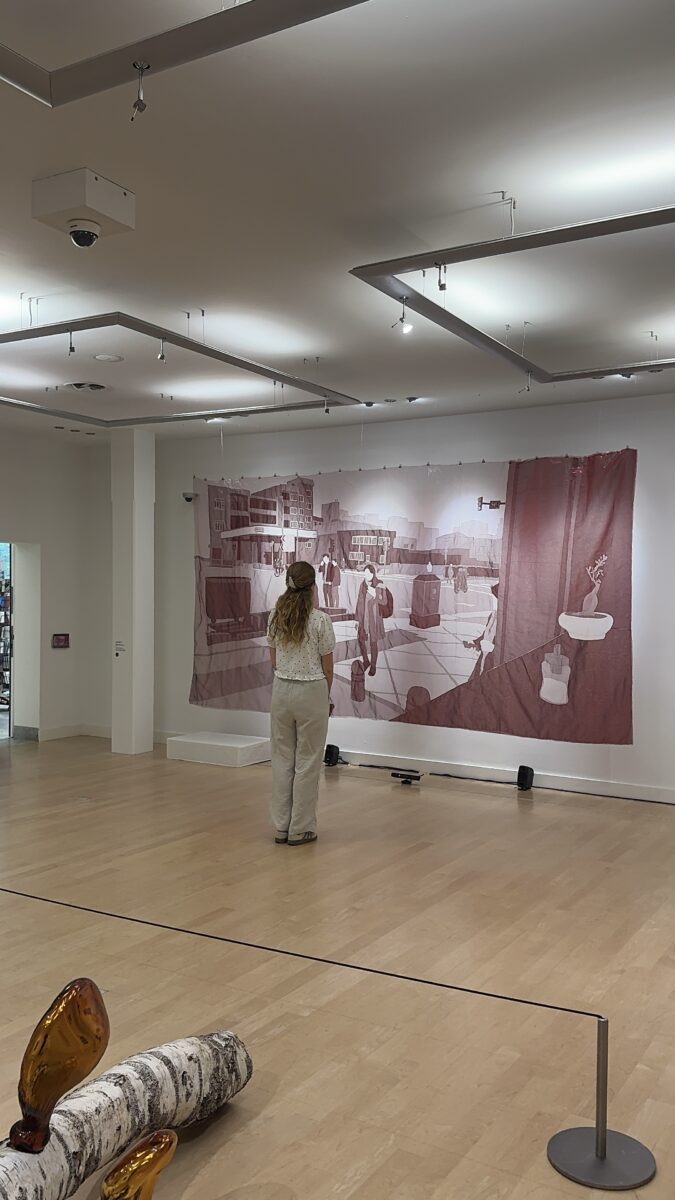
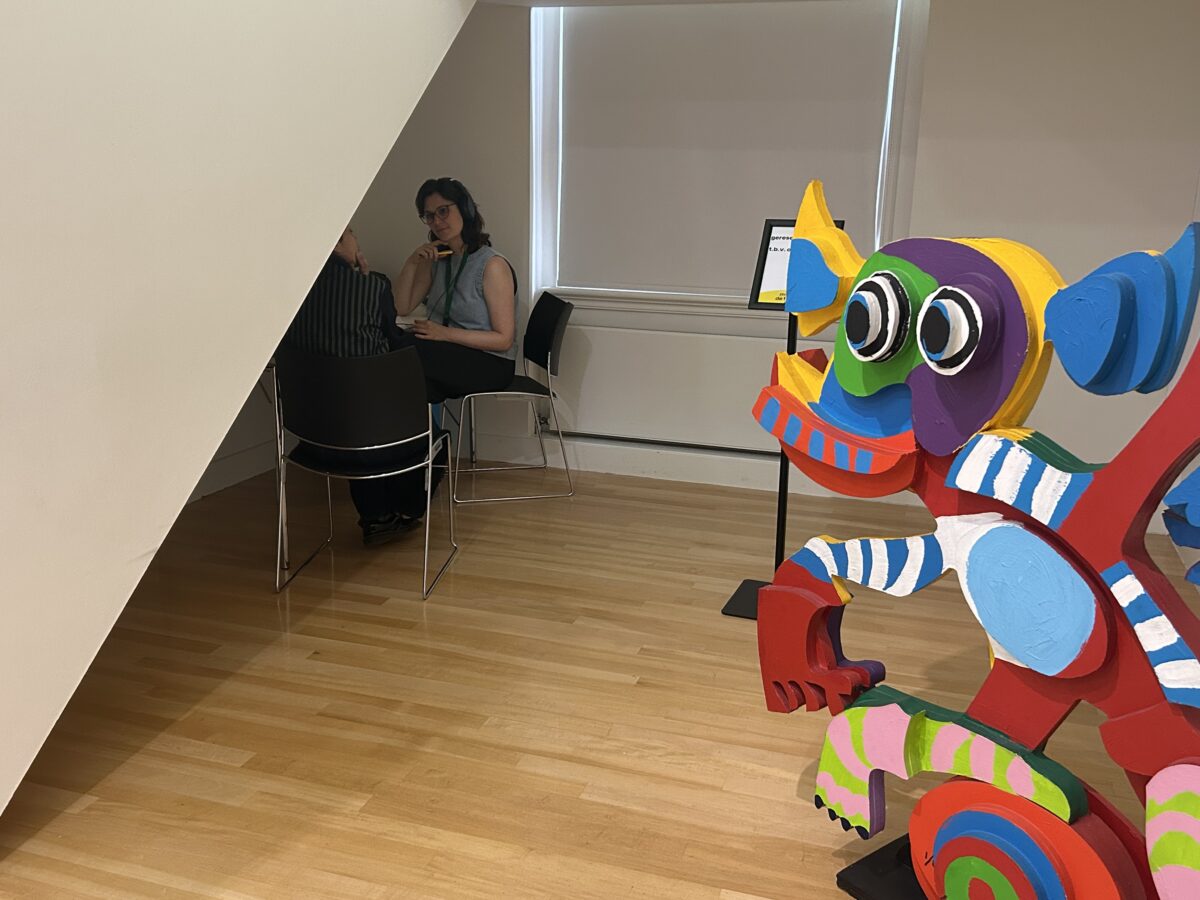
As part of CARADT’s KIEM MV project titled ‘Inclusive Technologies for Museums. Sensory Augmentation and Substitution for Inclusive Exhibitions’ we piloted last week experimental audio interventions by designers Rnul Interactive and Simon Dogger at Museum de Fundatie in Zwolle, followed by interviews with invited and random visitors, about half of whom were partially sighted or blind. We are extremely grateful to everyone who participated. Their answers and insighted, alongside observations of the interviewers and facilitators of the interventions gave us a lot to improve the second intervention we are planning at Stedelijk Museum Breda in October.