The research group Situated Art, Design and Technology (SADT) focuses on the societal embedding and embodiment of knowledge production that art and design research enables.
The conducted research contributes to a deeper understanding of technological developments and their impact on people, society, and the environment, and to the development of situated approaches in the creative sector and beyond. In doing so, it advances a wider acknowledgement of artistic and design research as a mode of knowledge production, one that is grounded in creativity and critical imagination as a way of generating insight into, and intervening in, societal transitions driven by technology.
SADT places particular emphasis on the “contextual nature” of art and design, ensuring that this remains central to research and education. In doing so, SADT strengthens the alignment between students’ learning processes and developments in professional practice, and between the contemporary cultural sector and a social reality that is increasingly shaped and driven by technology.
Programme Lines
The research is currently divided into two programme lines: Embodied Technology and Situated Design. These lines of research are continuously calibrated through SADT research group meetings.
Embodied Technology
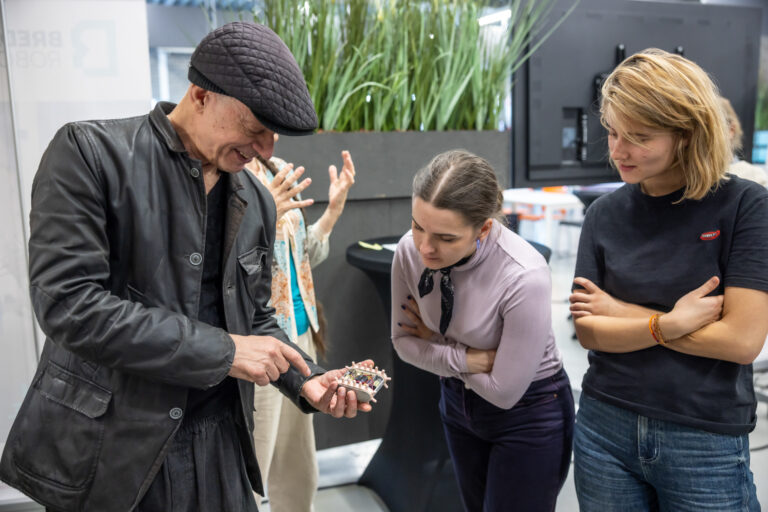
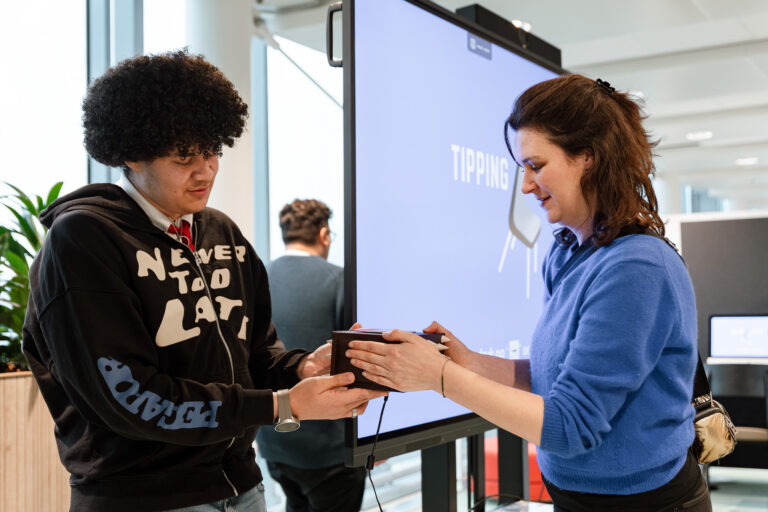
The Embodied Technology line combines technology and art to explore how we experience and interact with the world through our senses and bodies. It also fosters critical reflection on how contemporary technologies, including artificial intelligence and extended reality, mediate embodied forms of sensemaking.
Situated Design
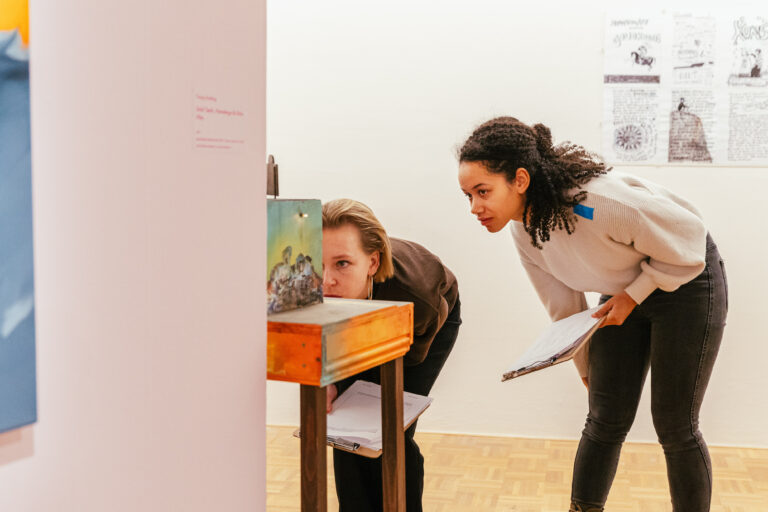
The programme line Situated Design focuses on methods that enable artists and designers to work from embedded positions within specific social, cultural, ecological, and material contexts. Originating in feminist epistemology and human–computer interaction (HCI), these methods have gained increasing prominence in design and artistic research, partly through CARADT’s scholarly and practice-based contributions to the field.





Insights
A defining characteristic of situated and embodied approaches is their capacity to reveal and foreground forms of implicit knowledge embedded in the dynamic relationships between people and their physical, ecological, and socio-cultural environments. In other words, these approaches attend to the interactions between users and the contexts in which they live, work, and create, making perceptible aspects of experience and practice that may otherwise remain tacit.
Generating insight into this implicit knowledge is often essential for developing designs that are responsive to both users and their contexts of use. Rather than producing predetermined blueprints or prescribing design scenarios, SADT’s approaches emphasise artistic and designerly engagement within the context of use or experience. Through interventions, observations, and other forms of situated inquiry, these methods generate context-specific insights that inform the design process and support the development of more meaningful and appropriate design and aesthetic outcomes.
People
The research group Situated Art, Design and Technology is part of Avans University of Applied Sciences and is chaired by Professor Dr. Michel van Dartel and Assistant Professor Alwin de Rooij. The research group brings together researchers, tutors and students from academies affiliated with CARADT, alongside visiting artists and designers, independent researchers and other associated members.
Impact
The SADT research group advances CARADT’s mission by developing ambitious, context-sensitive or -driven artistic and design research that critically engages with technological change. Through embodied and situated approaches, the research remains societally relevant, challenges dominant assumptions about technology and knowledge production, and contributes to more responsible and inclusive futures.
SADT creates academic, cultural and societal impact by sharing research through publications, presentations and prototypes, as well as by developing artistic and design practices in collaboration with partners in the cultural and creative sector, academia, government and industry. These collaborations connect the research to professional practice and enable knowledge and methods developed within SADT to be explored and applied in real-world contexts.
The research group also aims to strengthen the relationship between research and art and design education. Avans tutors and students participate in SADT-research, while insights and outcomes inform curriculum development and shape educational programmes. In this way, the research contributes to the development of future creative professionals who are able to critically engage with technological change and work responsively within the social, cultural, ecological and material contexts of their practice.