Caradt

Filter

  • Cultural and Creative Industries
  • Situated Art and Design
  • Regenerative Art and Design
  • Biobased Art and Design
  • All
Staff Alumni
Research Projects Archive

Search

Inclusive Technology for Museums: Sensory Substitution and Augmentation for Inclusive Exhibitions

Research Group: Situated Art, Design and Technology

How can sensory augmentation and substitution technologies contribute to greater sensory inclusivity for diverse museum visitors? 

Museums are experiencing a growing need to make their exhibitions more inclusive. The museum sector sees opportunities in using technologies to make exhibitions accessible to a broader audience, particularlyin the area of sensory and neurodiversity. This concerns technologies that facilitate a broad range of sensory needs and preferences of museum visitors. 

Together with designers and museums, CARADT explores how sensory augmentation and substitution could be used to enhance sensory inclusivity in exhibitions. We do this through situated design actions in situ (interventions), aimed at gaining a better understanding of the inclusive potential of these technologies. 

Specifically, the studios Rnul Interactive and Simon Dogger will design temporary interventions applying sensory augmentation and substitution technologies at Stedelijk Museum Breda and Museum de Fundatiein Zwolle. During the interventions, researchers of CARADT will investigate the impact of the technologies on the sensory access and experience of both sensory diverse and normative museum visitors.  

The research project outcomes will be disseminated through academic papers and shared with the Dutch museum sector through the Museumvereniging.

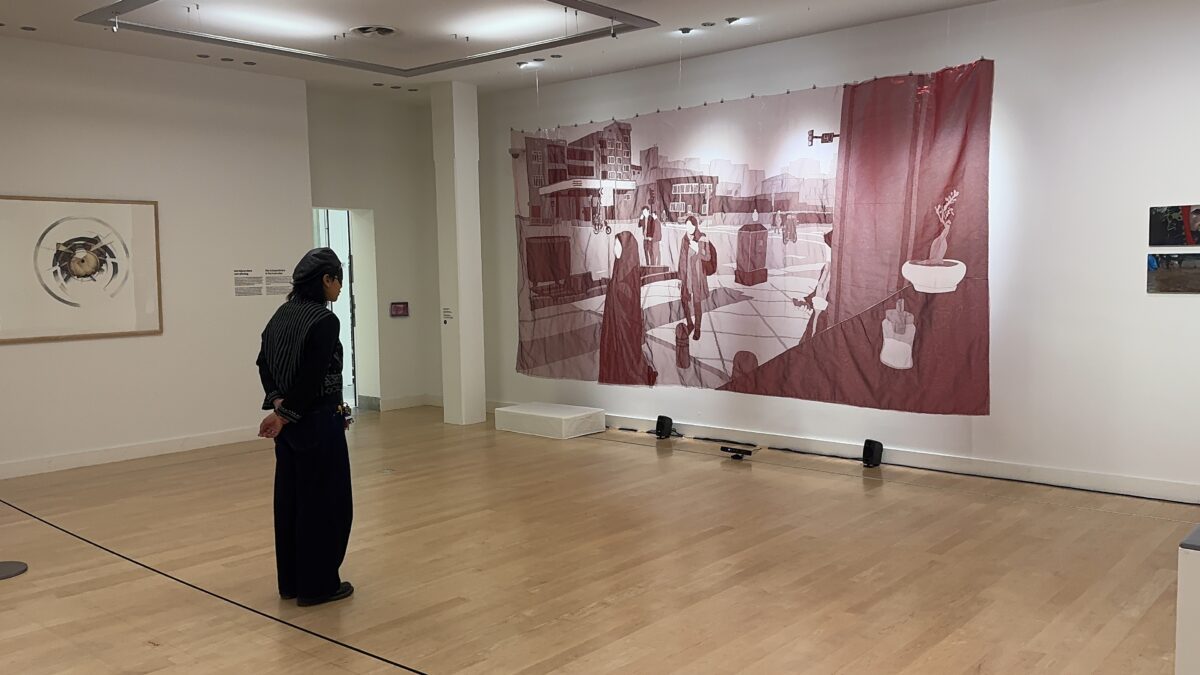
Experimental audio interventions for sensory inclusive museum spaces
Experimental audio interventions by designers Rnul Interactive and Simon Dogger at Museum de Fundatie in Zwolle
‘Could experimental sensory translation of art works improve their accessibility for sensory diverse exhibition audiences?’

Eva Fotiadi is a researcher within the Situated Art, Design and Technology research group and a theory tutor at the St Joost School of Art and Design, where she is also a member of the Diversity Dialogues platform

Eva Fotiadi arrow

‘People are the product of their relationships with their environment. It’s important to understand how technological developments influence these relationships.’

Michel van Dartel is Research Professor Situated Art, Design and Technology at the Avans Centre of Applied Research for Art, Design and Technology (CARADT) and was affiliated with V2_Lab for the Unstable Mediaarrow between 2005-2024. He holds an MSc in cognitive psychology and a PhD in artificial intelligence.

Michel van Dartel arrow

‘‘Understanding how creativity and imagination emerge from interactions with our environment will lead to improved innovation processes, tools and technologies.’’

Alwin de Rooij is Associate Professor in Situated Art, Design, and Technology at the Avans Centre of Applied Research for Art, Design and Technology (CARADT), and Assistant Professor in Creativity Research in the department of Communication and Cognition, Tilburg University.

Alwin de Rooij arrow

Research Group: Situated Art, Design and Technology

Living in cities developed around data and acting within the inscrutable structure of our techno-society demands art and design that can help understand how we relate to these rapidly changing surroundings and to reflect on that relationship. The research group Situated Art, Design and Technology responds to this exigency by fostering a situated turn in art and design through a diverse portfolio of interdisciplinary research projects in partnership with academic and cultural partners, as well as with government and industry.

Read more arrow
All projects arrow

Thank you for your subscription! Please check your email inbox to confirm.

Okay