Caradt

Filter

  • Cultural and Creative Industries
  • Situated Art and Design
  • Regenerative Art and Design
  • Biobased Art and Design
  • All
Staff Alumni
Research Projects Archive

Search

AI in Participatory Design (2023 – 2024)

Research Group: Situated Art, Design and Technology

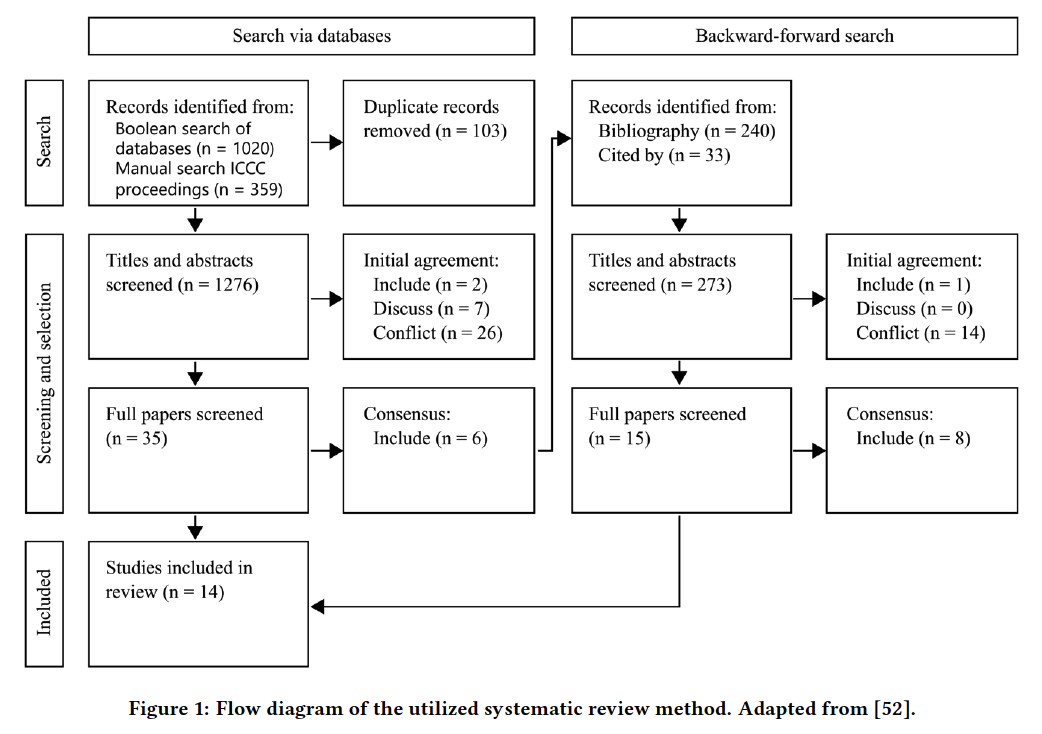
This study examines how artificial intelligence (AI) can assist in participatory design, where stakeholders, such as users, customers, or communities, actively contribute to the design process. The review focuses on how AI can support this collaborative work and identifies both the benefits and risks of using AI in such settings.

AI in Participatory Design

AI can enhance participatory design in several ways. It can make the design process more accessible, particularly for individuals who may lack confidence or technical skills. For example, AI tools can help participants generate new ideas, visualize concepts, and engage in creative tasks with less difficulty. AI can also facilitate the collaboration process by acting as a neutral mediator, helping groups reach consensus or offering real-time feedback during brainstorming sessions. These tools can make it easier for people to contribute and share their ideas in a way that might have been difficult without AI assistance.

However, the study also highlights significant risks. One concern is that participants might rely too heavily on AI-generated ideas, which could limit their creativity or lead them to accept AI suggestions without critical thinking. There is also a risk of bias, as AI tools are often trained on data that may reflect societal prejudices, which could negatively impact the design process. Additionally, using AI might overwhelm some participants, especially if they are unfamiliar with the technology or if the AI-generated content is too complex to evaluate effectively.

In conclusion, while AI holds promise for making participatory design more inclusive and efficient, it is essential to carefully manage how these tools are used to avoid over-reliance on AI, address bias, and ensure that all participants can engage meaningfully. Future research should explore how to balance AI’s role in supporting creativity and collaboration without overshadowing human input.

‘The ultimate goal is to provide people with the information, skills and tools that enable them to improve the quality of their daily lives.’

Simone van den Broek is a researcher within the Situated Art, Design and Technology research group, and a tutor for the Communication & Multimedia Design programme at Avans University of Applied Sciences in Den Bosch. 

Simone van den Broek arrow

Research Group: Situated Art, Design and Technology

Living in cities developed around data and acting within the inscrutable structure of our techno-society demands art and design that can help understand how we relate to these rapidly changing surroundings and to reflect on that relationship. The research group Situated Art, Design and Technology responds to this exigency by fostering a situated turn in art and design through a diverse portfolio of interdisciplinary research projects in partnership with academic and cultural partners, as well as with government and industry.

Read more arrow
All projects arrow

Thank you for your subscription! Please check your email inbox to confirm.

Okay