Art as lubricant or crowbar? Renée van Oploo brings her research into the public space of Tilburg
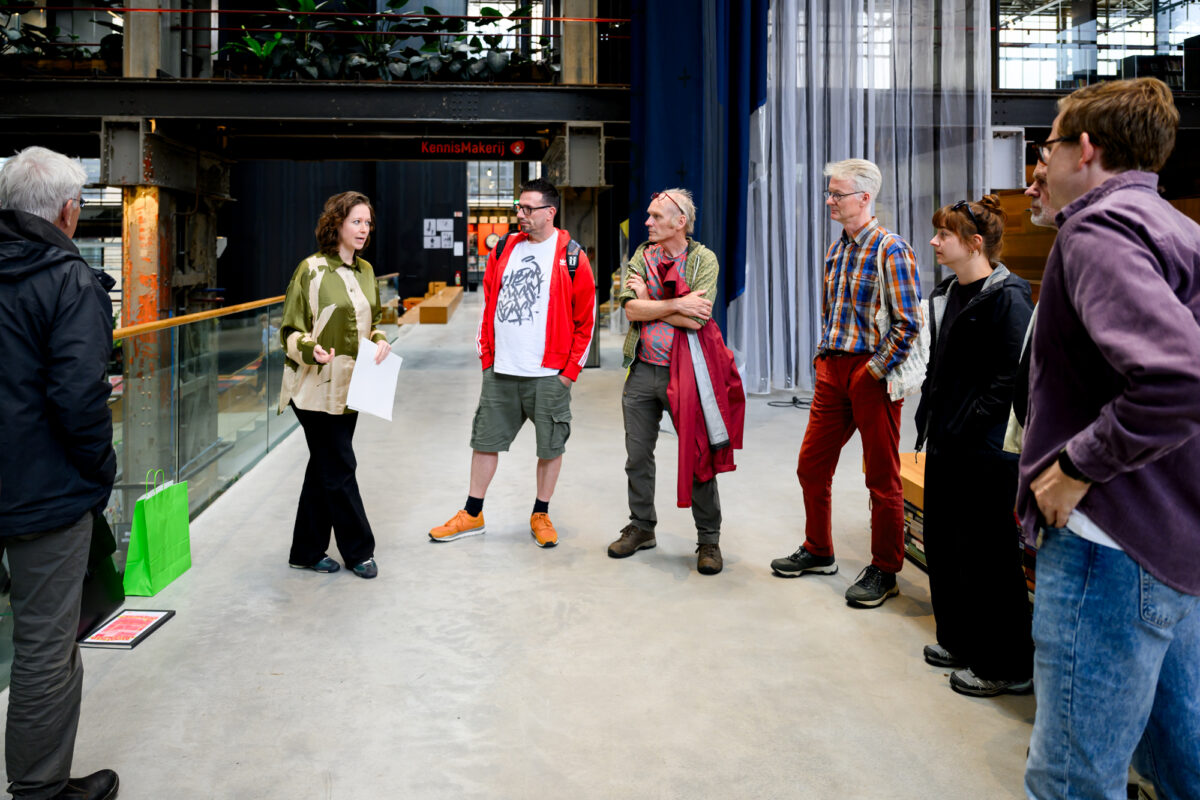
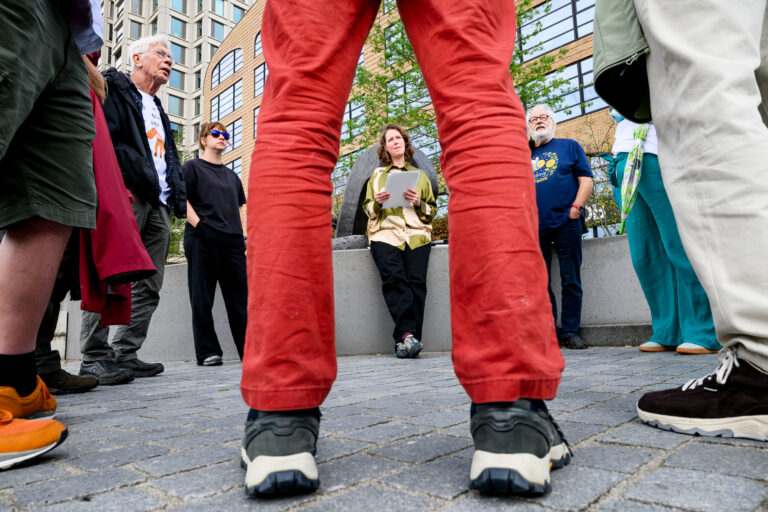
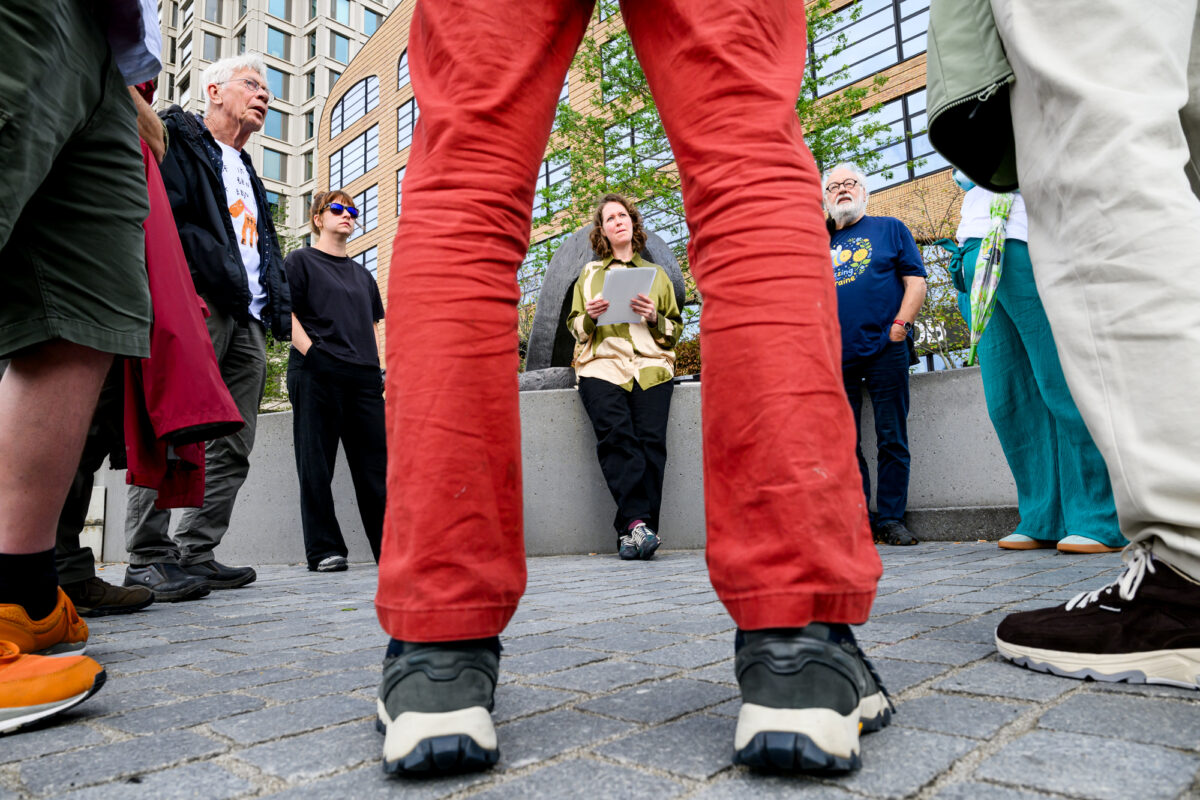
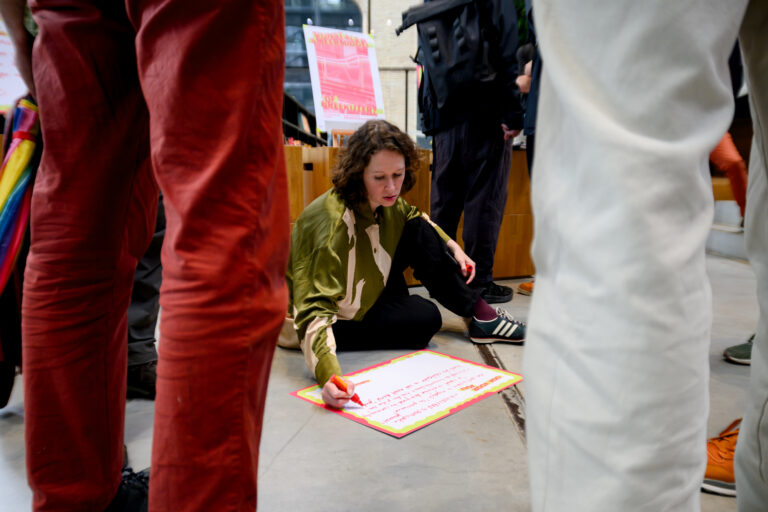
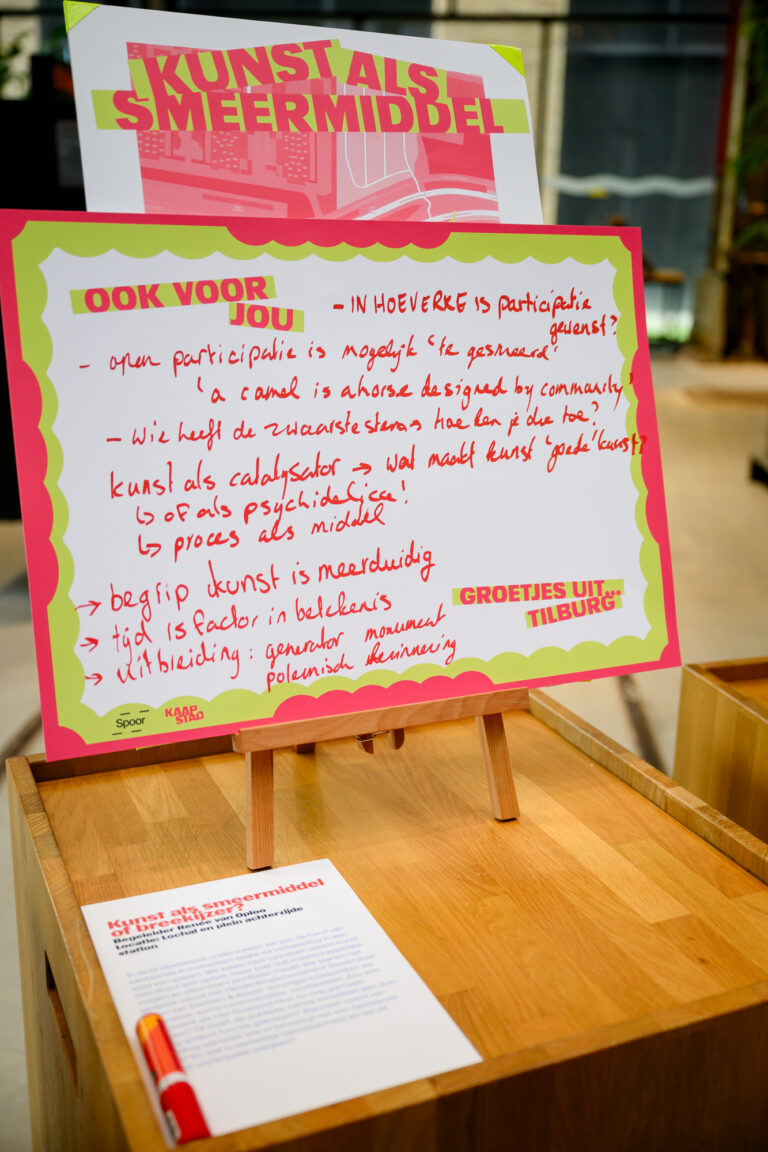
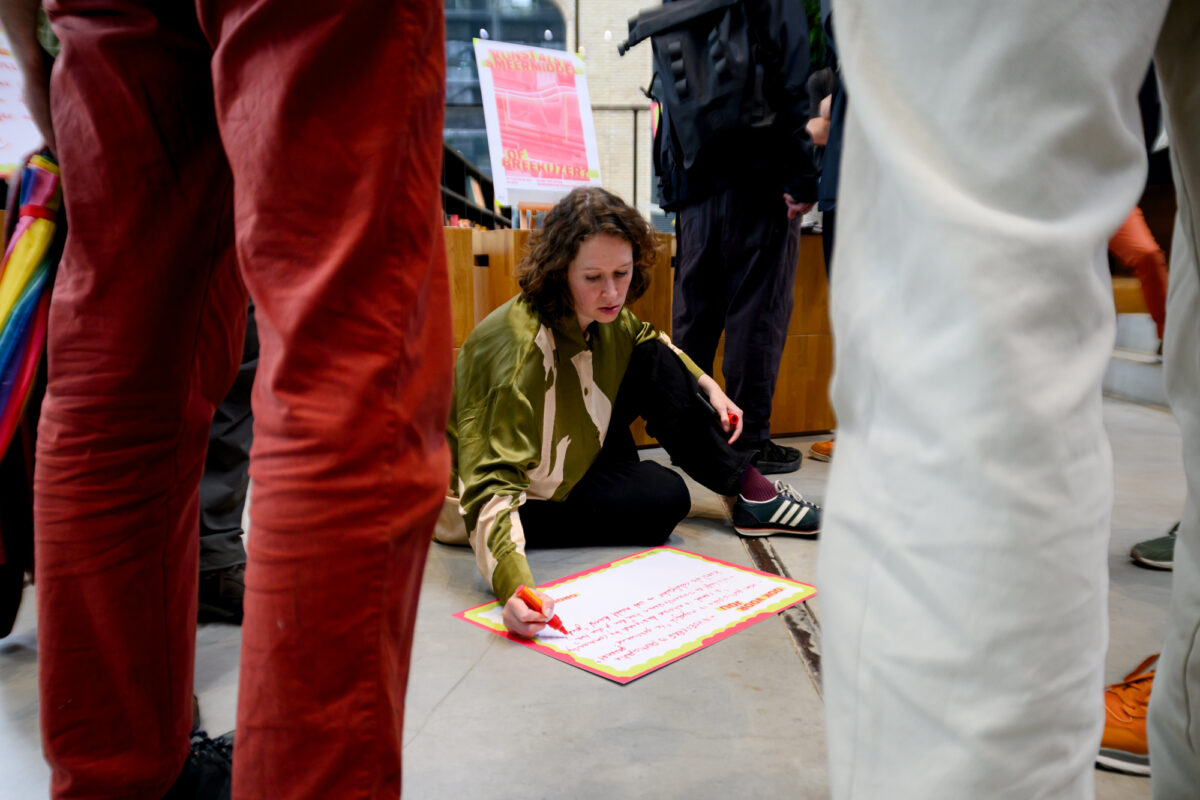
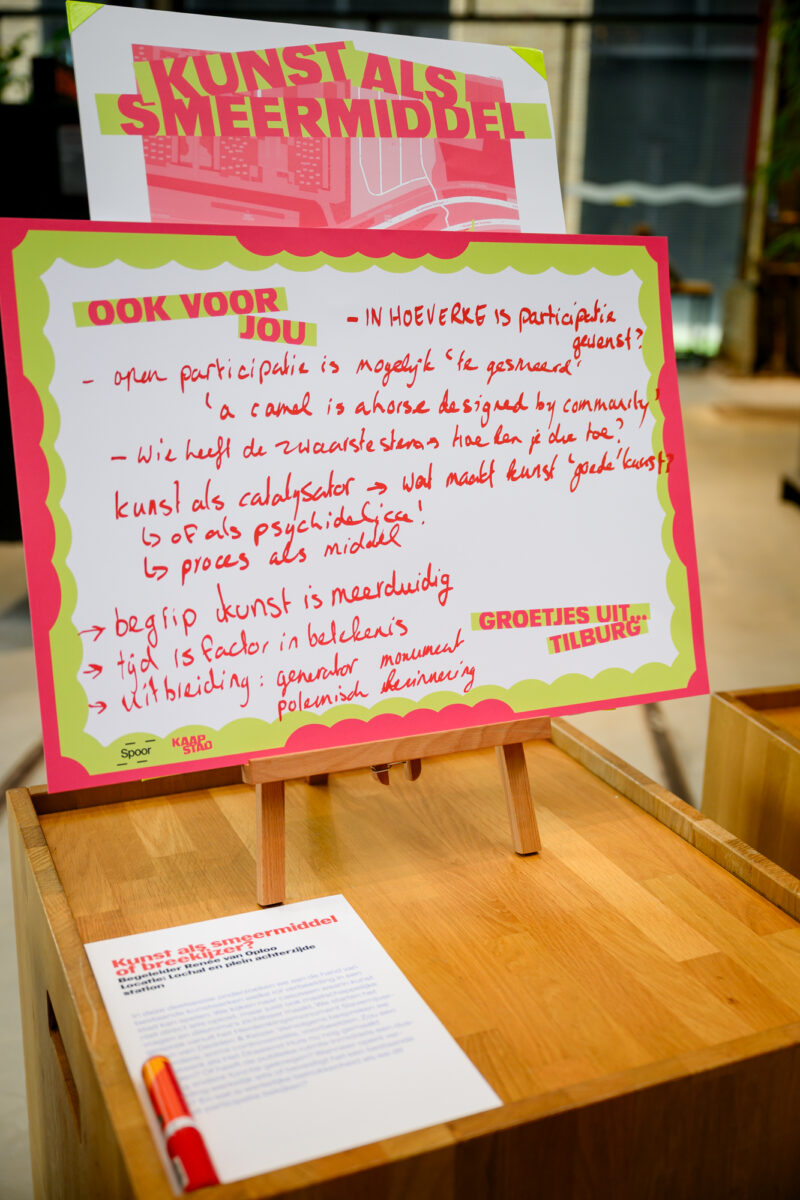
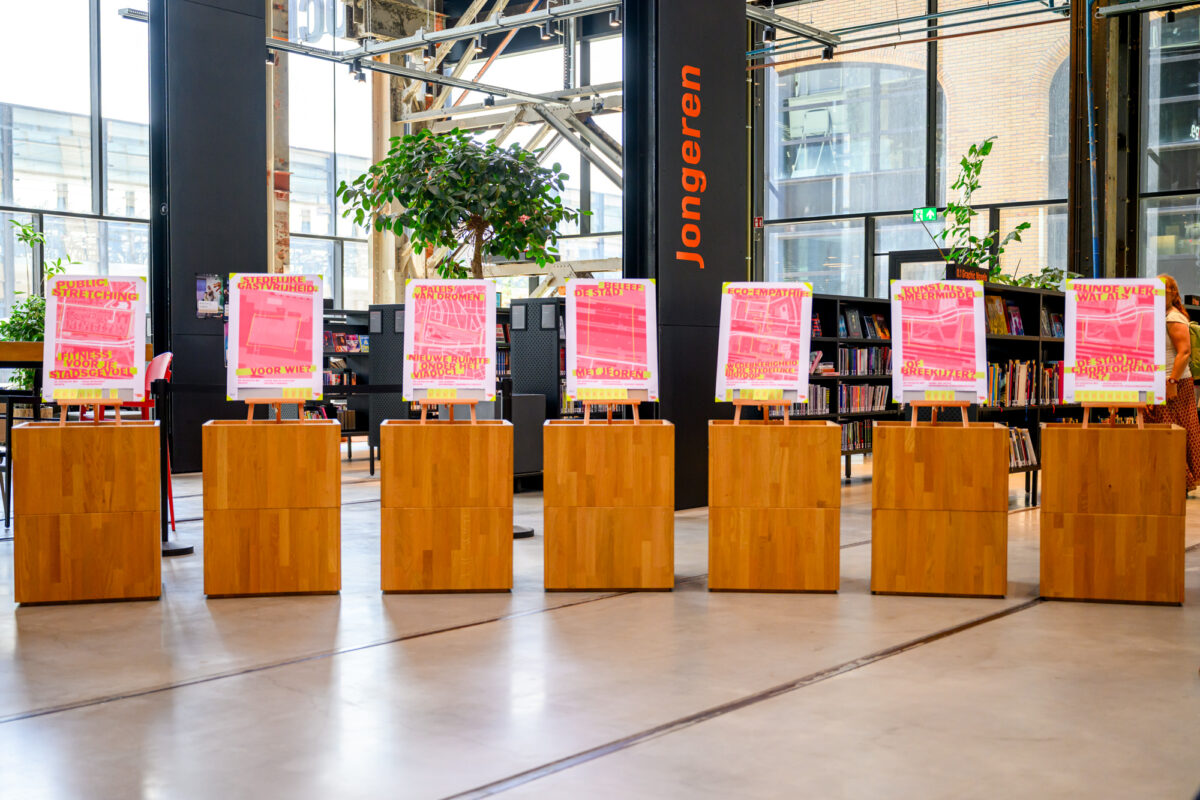
On 21 August 2026, CARADT researcher Renée van Oploofacilitatedthe workshop Kunst alssmeermiddel of breekijzer? (Art as lubricant or crowbar?) duringOok van jou? De groteTilburgseStadshack(Is ityourstoo? The big Tilburg Cityhack) in Tilburg. For the workshop, shetransformed her research andtoolbox on art in public spaceinto a format that invited participants to look at what public art does, how it works, and what questions it can open.
Organised by Spoor together with Kaapstad Festival,Is it yours too? The big Tilburg Cityhack brought participants together for a day of encounters, workshopsand experiments in and around the LocHal in Tilburg. For her workshop, CARADT researcher and artist Renée van Oploo drew on her research A Head Massage Tool or a Crowbar? Toolbox for the Reflection of Art in Public Spaces. The research presents an open and accessible approach to analysing art in public space and introduces a toolbox for reflecting on both an artist’s ambition and an artwork’s impact.
Reflecting on Art in Public Space
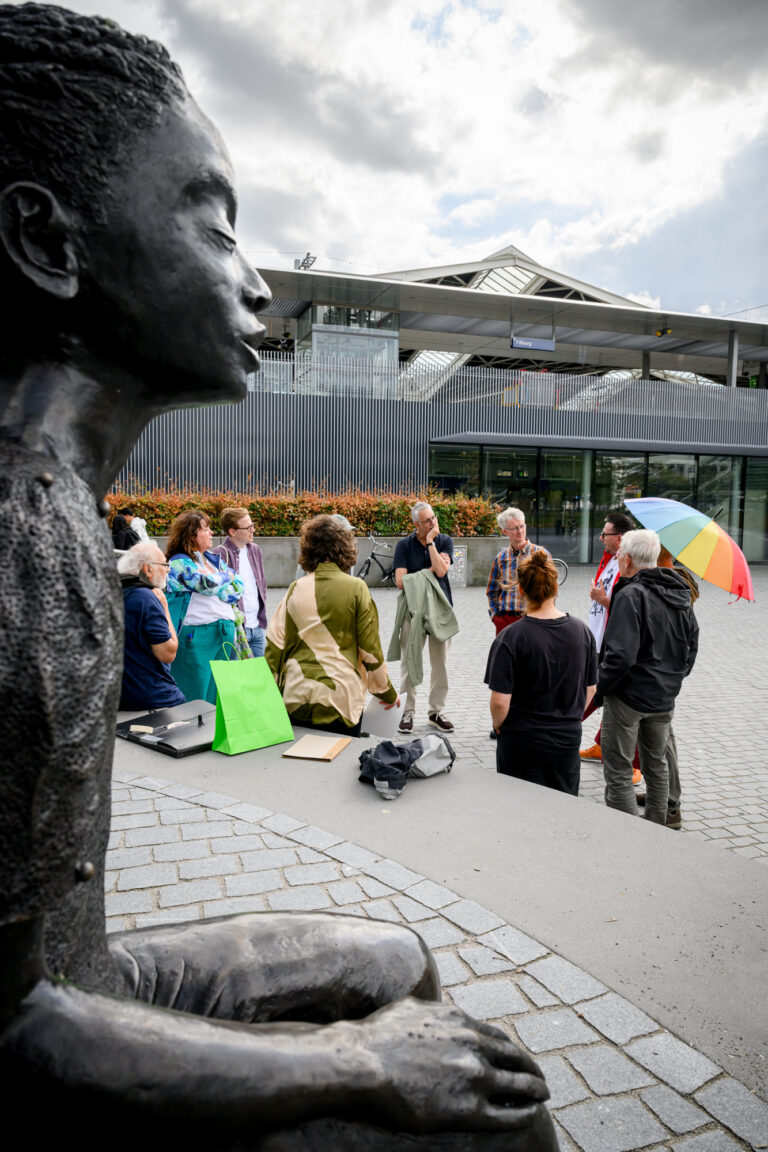
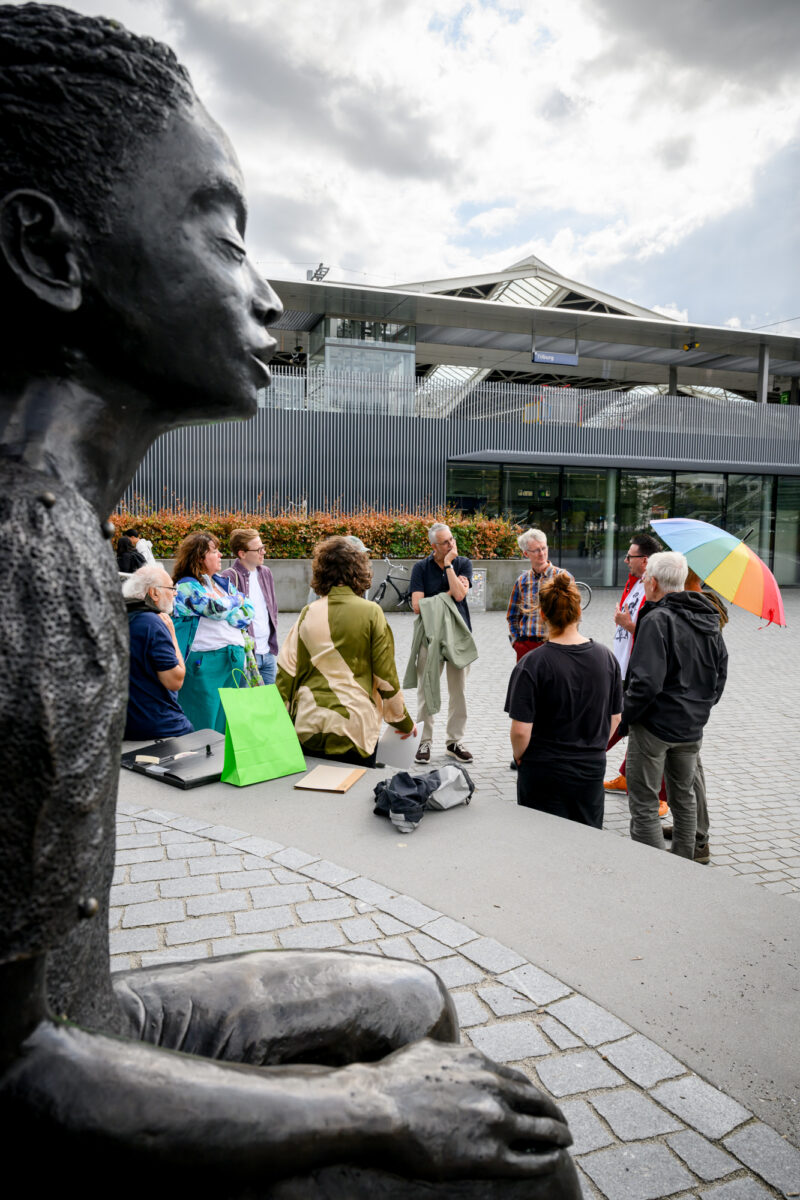
The workshop started from the Herdenkingsmonument Slavernijverleden by Dedden & Keizer. From there, participants discussed several existing and sometimes controversial examples of public art.
The session raised questions such as: could an artwork like John Körmeling’s Draaiend Huis (2008) still be created today? Has public space taken on a different function? When does imagination genuinely open something up, and when does it primarily confirm an existing order? And what does genuine engagement mean when looking at art through the lens of participation?
Using the toolbox, participants reflected on the role of imagination in public space, participation, and how the meaning of an artwork can change over time through responses, involvement, conflict, neglect, preservation, and changing political and urban circumstances.
A Toolbox for Reflection
Van Oploo developed A Head Massage Tool or a Crowbar? Toolbox for the Reflection of Art in Public Spaces as part of her research at CARADT. The toolbox uses tools and metaphors, including the crowbar, headmassage tool, noticeboard and workbench, to examine the ambitions and effects of artworks in public space. Through case studies, the tools help to explore the relationship between an artwork’s ambition and itsimpact, as well as questions around commissioning, disengagement and participation. The toolbox is intended as an open invitation for reflection rather than a fixed framework, and can be adapted andreinterpreted through collective use.
These questions also resonated with the wider programme of Ook van jou?. In its reflection on the event, Spoor returned to questions such as: when is art a lubricant and when is it a crowbar? How much participation is desirable, and why? And should art respond to what is considered desirable, or raise an uncomfortable question? The afternoon showed that these questions do not have unambiguous answers, and that this multiplicity can itself be valuable.
Exploring how artists contribute to democratizing public spaces, this project investigates the ethical and social dimensions of placemaking. By examining collaborations and innovative practices, it highlights art’s potential to foster inclusivity and community connection in urban environments.
‘Within my practice I create spaces for introspection while exploring ethical dilemmas. ’
In 2017, I graduated from St. Joost in Den Bosch, and I hold a Master’s in Applied Ethics from Utrecht University. Presently, I work as an artist, am an active member of the YAFF art collective, and concurrently serve as a lecturer.
The research group Cultural and Creative Industries (CCI) investigates the role of artists and designers as creative innovators and drivers of social and economic change. Affiliated researchers analyse the cultural and creative industries from a critical point of view and examine the conditions under which timely forms of aesthetic expression and social connectedness can actually take place within the precarious reality of this field. What economic models are required by artists and designers to create a meaningful practice within the aesthetic, social, and economic intentions of the cultural and creative industries? What skills sets are required for those artists and designers who don’t just want to follow movements, but actually shape novel social and economic models of the future?