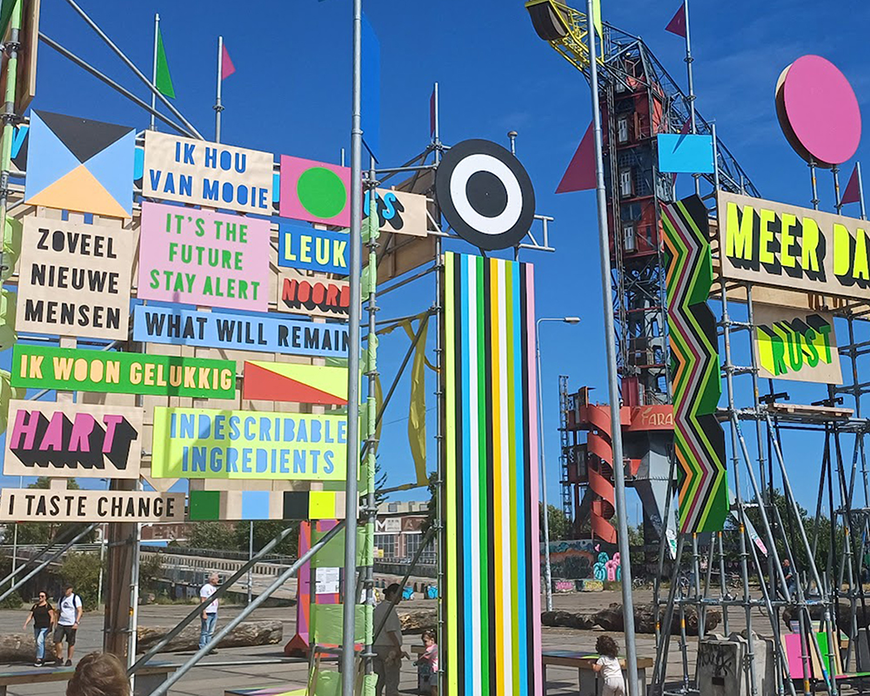
Renée van Oploo investigates what public art does after the artist has left
What remains of a public artwork once it has been installed? Is it seen, used, ignored, maintained, contested, or slowly absorbed into its surroundings? In her artistic research: A Head Massage Tool or a Crowbar? Toolbox for the Reflection of Art in Public Spaces, artist and researcher Renée van Oploo develops an open toolbox for reflecting on the ambition and impact of art in public space. Rather than offering a fixed method for evaluation, the toolbox proposes a way of looking more closely at what an artwork intends to do, and what actually happens once it enters the public domain.
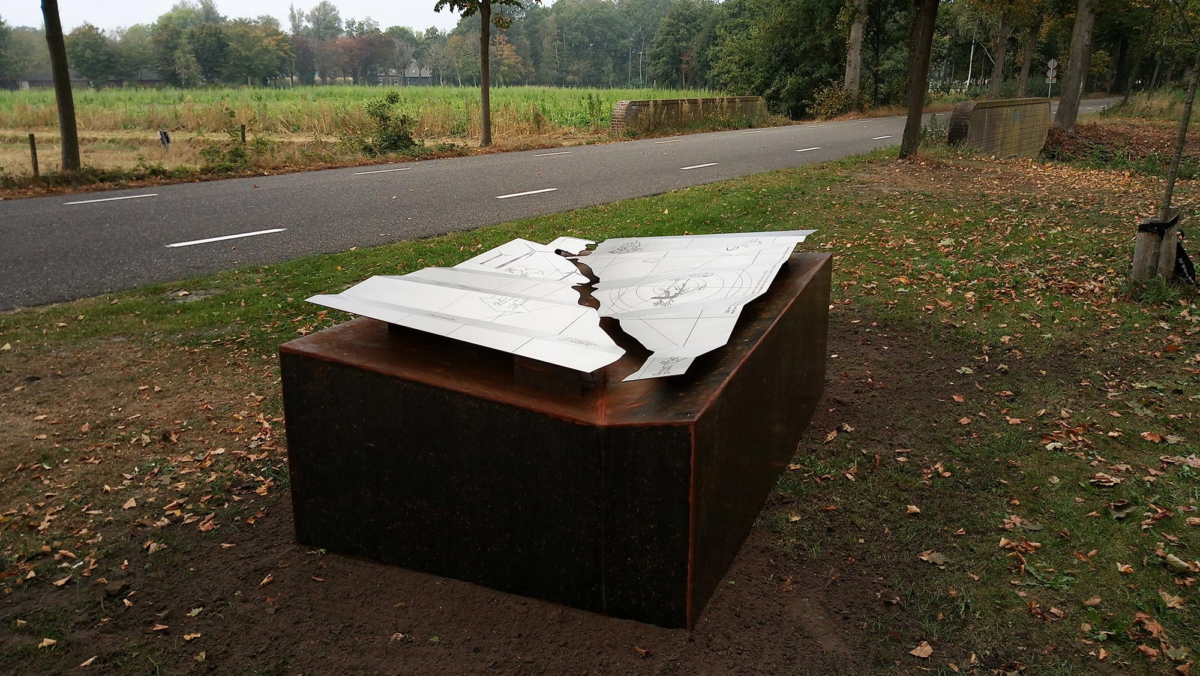
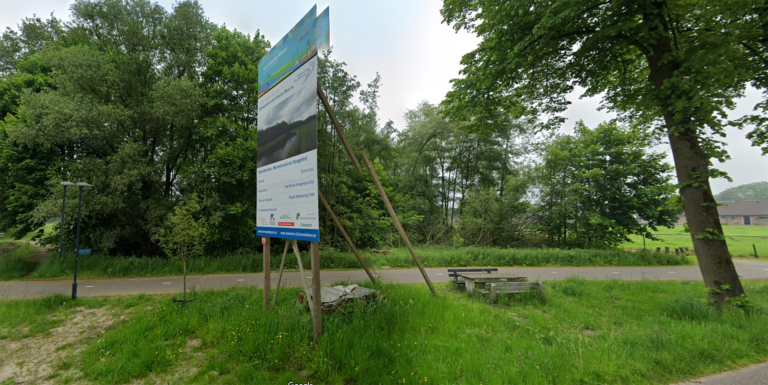
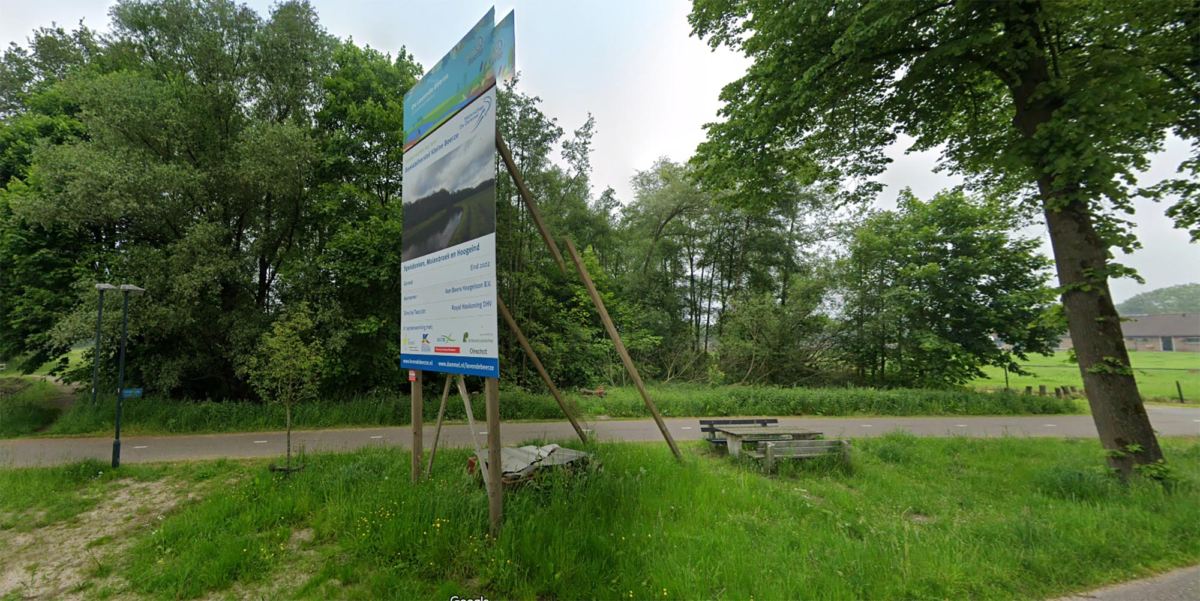
The research begins with van Oploo’s own work Fundament (2020), a sculptural intervention developed for the redevelopment of the river Beerze in North Brabant. The work addresses the paradox of restoring a ‘natural’ river course through heavy human and mechanical intervention. When van Oploo encountered the work several years later, partly overgrown and obscured by a sign about the area’s redevelopment, new questions emerged. Who is responsible for a public artwork after it has been placed? Can its meaning survive changing surroundings, limited maintenance, and everyday indifference?
From this experience, the exposition opens onto broader questions about public art, commissioning, and public engagement. Drawing on Chantal Mouffe’s concept of agonism, van Oploo approaches public space as a site where competing interests unfold. At the same time, she questions the current emphasis on participation within cultural policy and funding structures. Does participation always lead to meaningful engagement, or can it become a requirement that gives the appearance of inclusion without real influence?
From this experience, the exposition opens onto broader questions about public art, commissioning, and public engagement. Drawing on Chantal Mouffe’s concept of agonism, van Oploo approaches public space as a site where competing interests unfold. At the same time, she questions the current emphasis on participation within cultural policy and funding structures. Does participation always lead to meaningful engagement, or can it become a requirement that gives the appearance of inclusion without real influence?
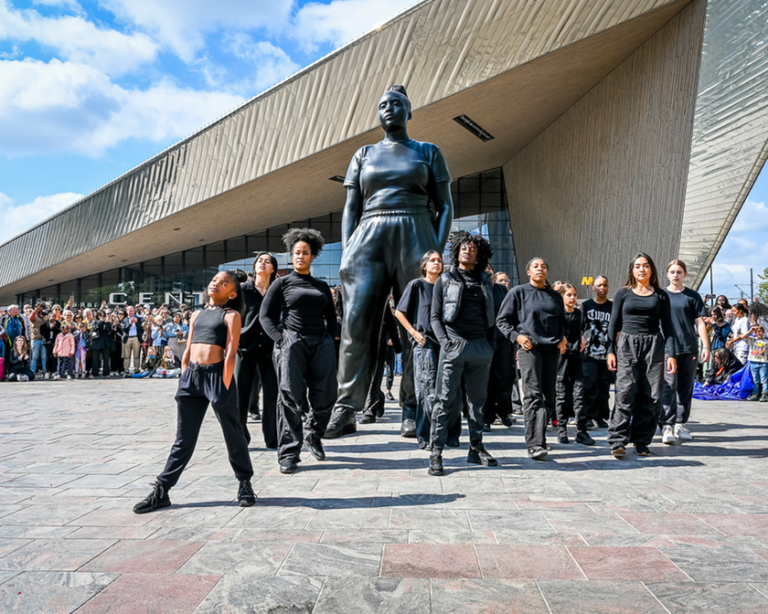
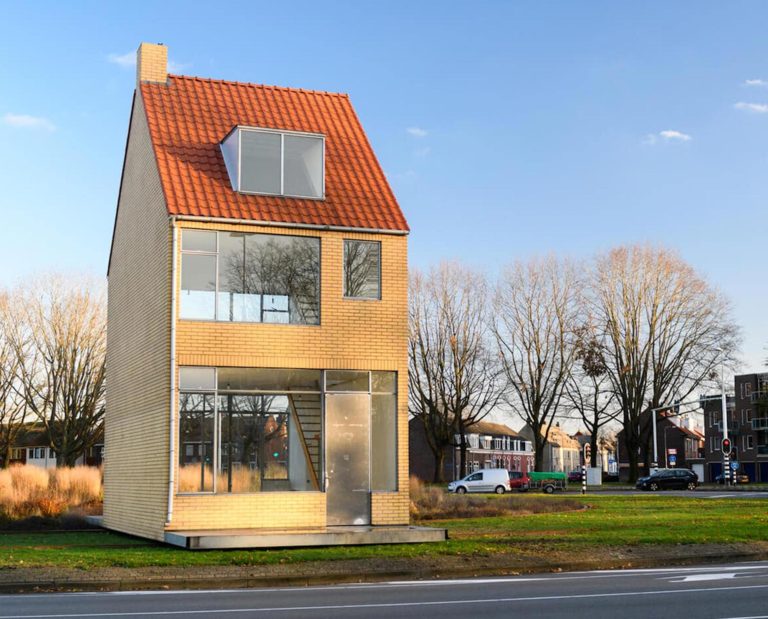
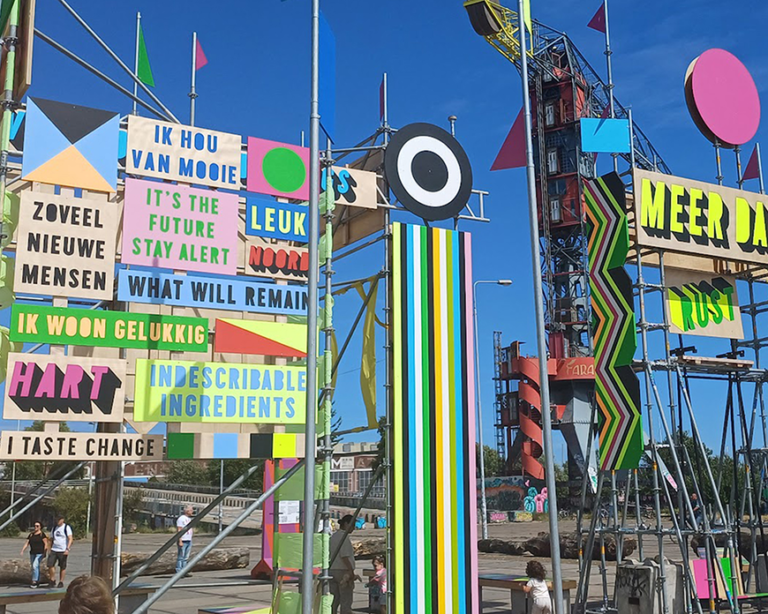
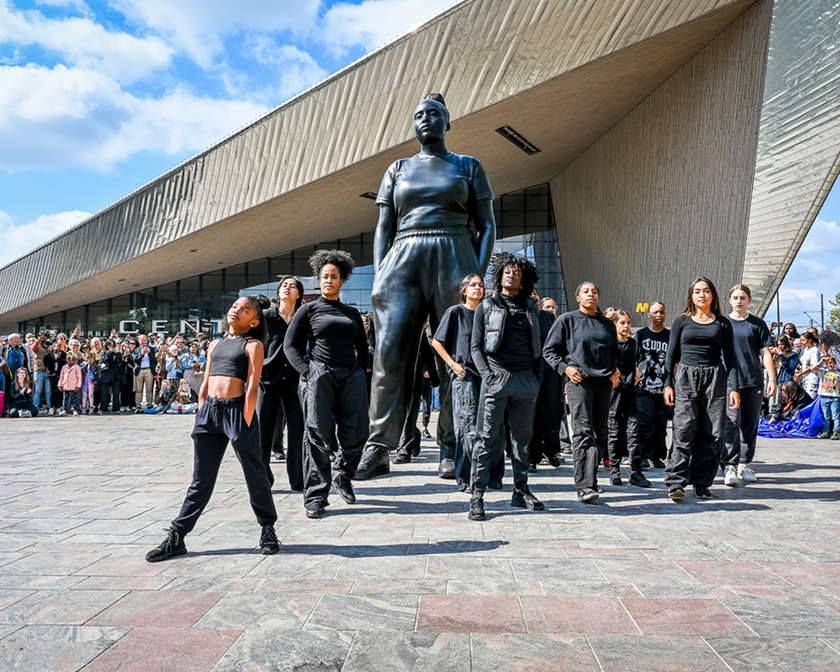
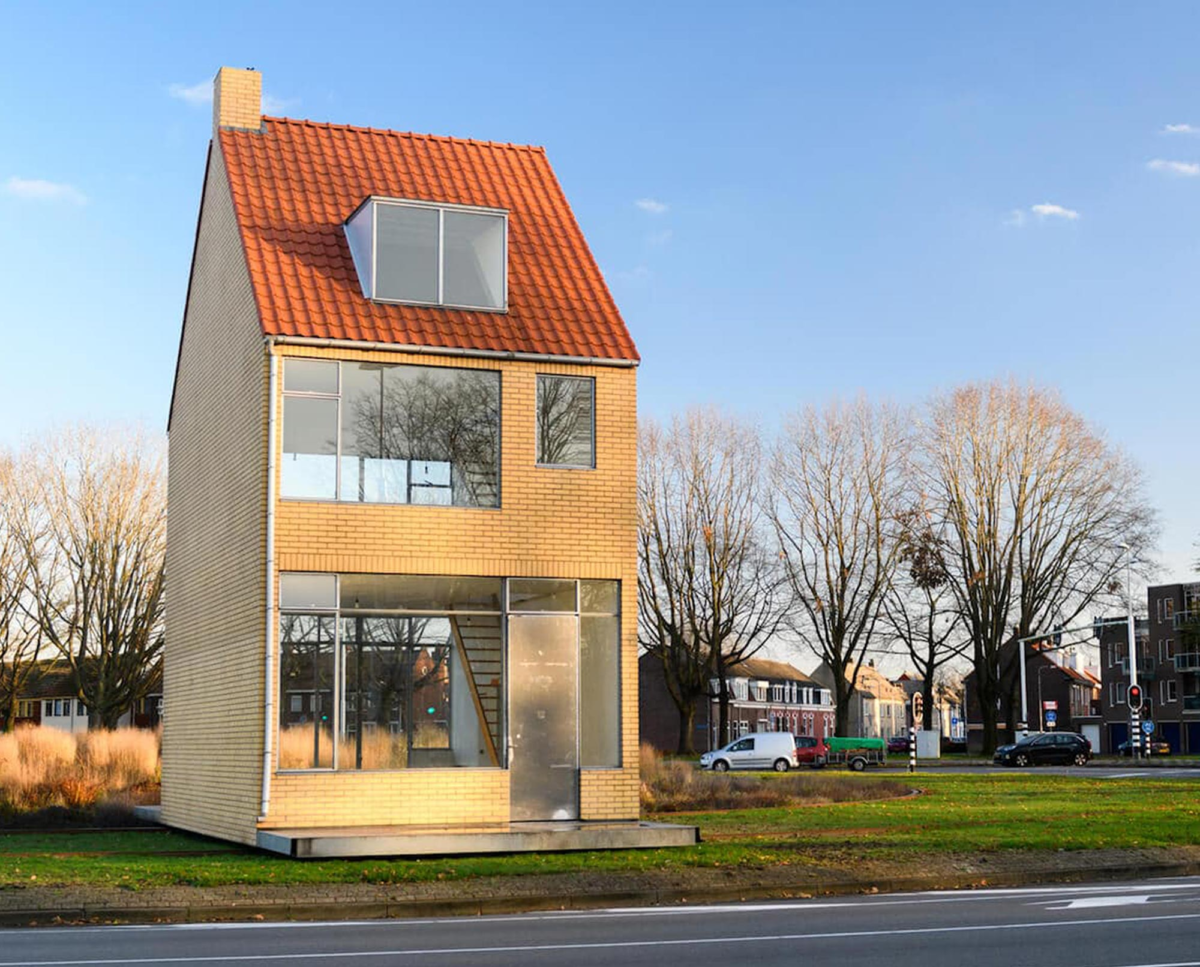
The toolbox is tested through seven case studies of public artworks in the Netherlands, including John Körmeling’s Draaiend Huis, Thomas J Price’s Moments Contained, and several works at Amsterdam’s NDSM Wharf. Each case is read through a set of conceptual tools and metaphors, such as the crowbar, the head massage tool, the notice board, the can opener and the game controller. These tools help to describe whether an artwork opens something up or smooths something over.
A Head Massage Tool or a Crowbar? does not aim to deliver a final model for measuring public art. Instead, it offers a practice-based and personal framework for asking better questions about artistic intention and social impact.
Design and Technology and reflects CARADT’s commitment to practice-based artistic research, critical imagination and societal engagement.
‘Within my practice I create spaces for introspection while exploring ethical dilemmas. ’
In 2017, I graduated from St. Joost in Den Bosch, and I hold a Master’s in Applied Ethics from Utrecht University. Presently, I work as an artist, am an active member of the YAFF art collective, and concurrently serve as a lecturer.
The research group Cultural and Creative Industries investigates the role of artists and designers as creative innovators and drivers of social and economic change. Affiliated researchers analyse the cultural and creative industries from a critical point of view and examine the conditions under which timely forms of aesthetic expression and social connectedness can actually take place within the precarious reality of this field. What economic models are required by artists and designers to create a meaningful practice within the aesthetic, social, and economic intentions of the cultural and creative industries? What skills sets are required for those artists and designers who don’t just want to follow movements, but actually shape novel social and economic models of the future?