‘It is through the “not-knowing” that a stimulating and caring environment can be created to confidently share vulnerability.’
Risk Hazekamp is researcher within the Regenerative Art and Design research group and tutor for the Art & Research study programme at St. Joost School of Art & Design.
Risk Hazekamp (pronouns: they/them) is an interdependent visual artist and researcher. Risk is also an art educator in the broadest sense of the word. For more than twenty years, their work has revolved around the complex and constantly changing relationship between body and image. Gender has been a central element, not only as a subject, but also as a theoretical framework. For the past ten years, Risk has applied questions formulated within the theme of gender to other socio-political issues. Through a combination of personal activism, decolonial practices and analogue (currently organic) photography, visual intersectional processes are developed to change existing systems. In doing so, Risk takes on the position of a student as often as possible to unlearn photography.
After their studies at the Willem de Kooning Academy in Rotterdam and the Jan van Eyck Academy in Maastricht, Risk worked and lived in Berlin for 11 years. Their work has been shown extensively at international art fairs, such as Art Cologne, Arco Madrid, Art Forum Berlin, Liste Basel and Paris Photo. In 2010, Risk decided to no longer participate in commercial art contexts. Since this decision, long-running often ongoing projects are preferably presented on locations where space, subject and time are interrelated.
Risk has taught at various art academies, including teaching Photography from 2010 to 2014 at the Maastricht Academy of Fine Arts, and from 2015 onwards at St Joost School of Art & Design in the Art & Research department and the minor Arts & Humanity.
They graduated ‘magna cum laude’ from the Advanced Master of Research in Art & Design of the Sint Lucas School of Arts in Antwerp and took part in the Decolonial Summer School, a collaboration between the Van Abbemuseum Eindhoven and the University College Roosevelt of Utrecht University.
Professional Doctorate Research
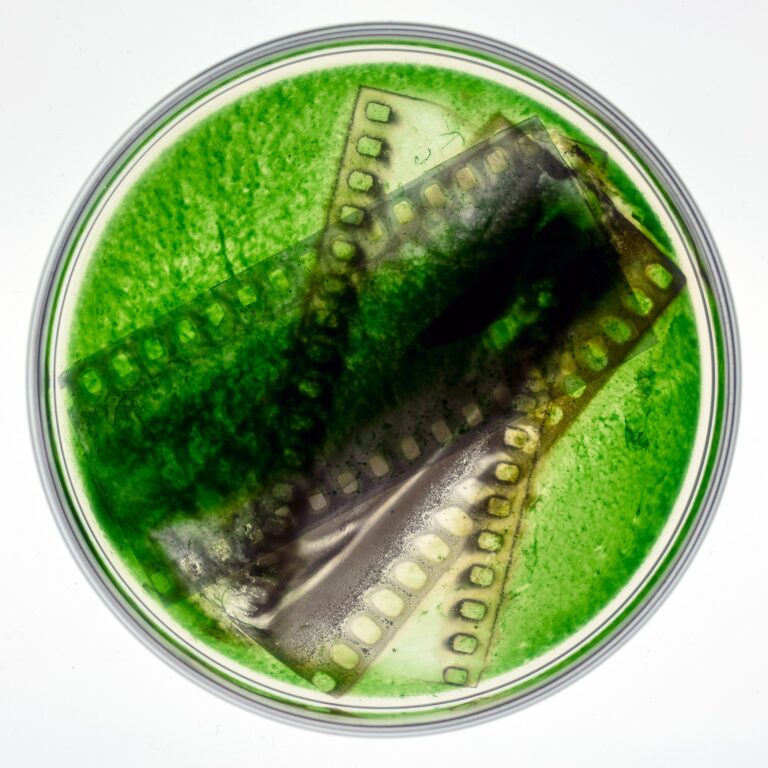
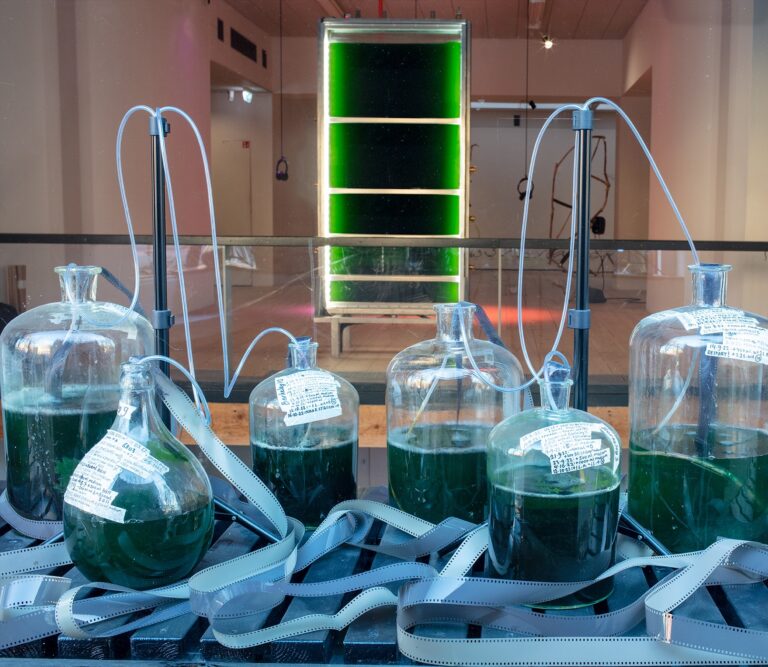
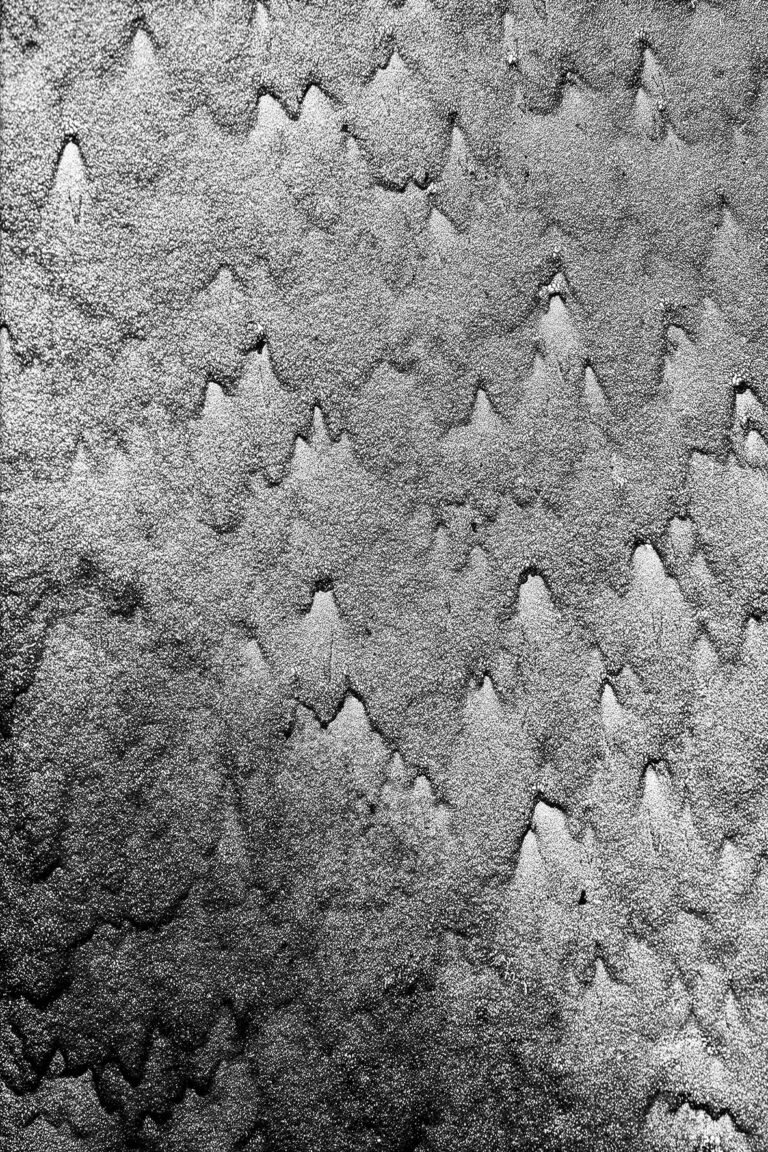
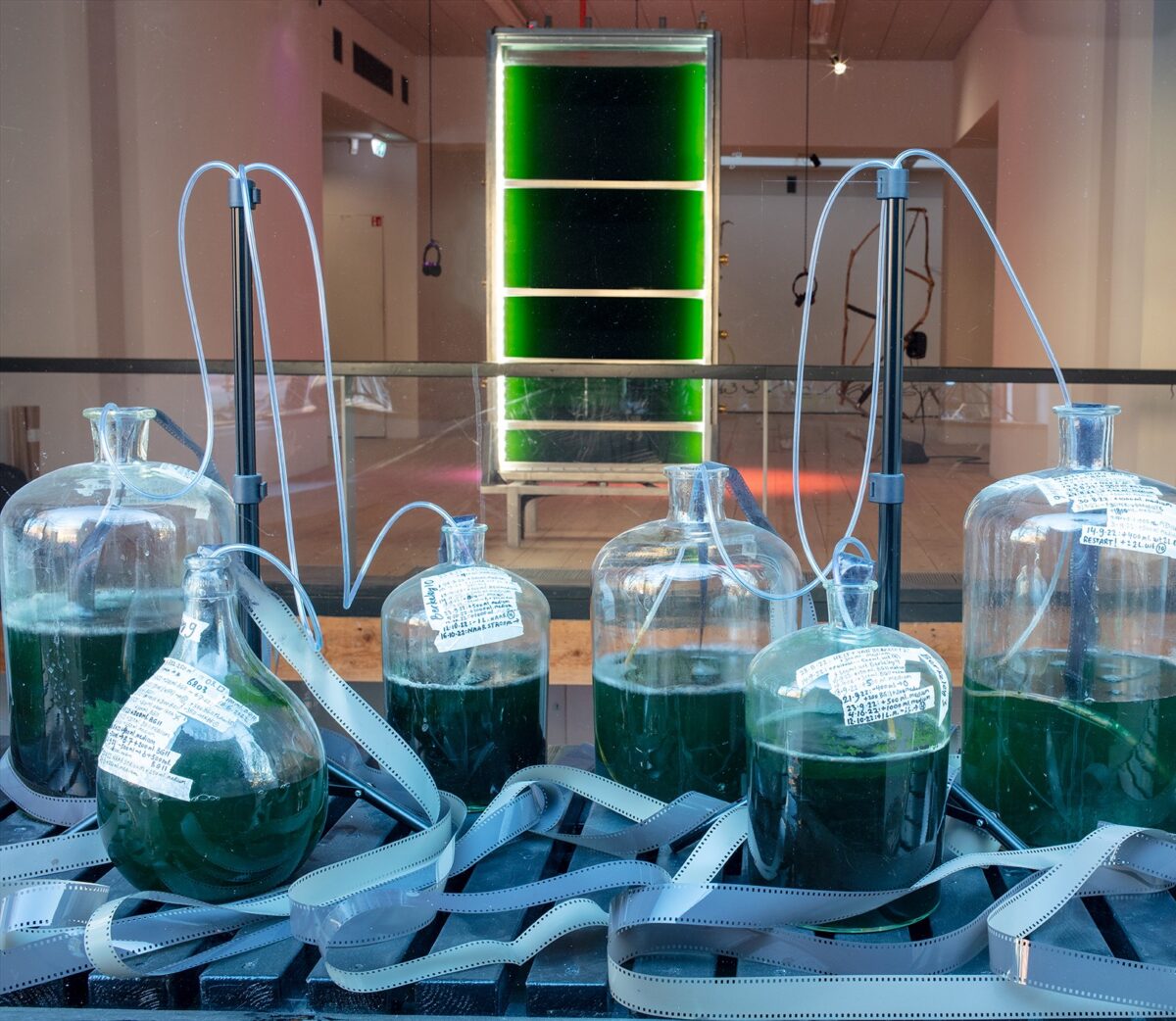
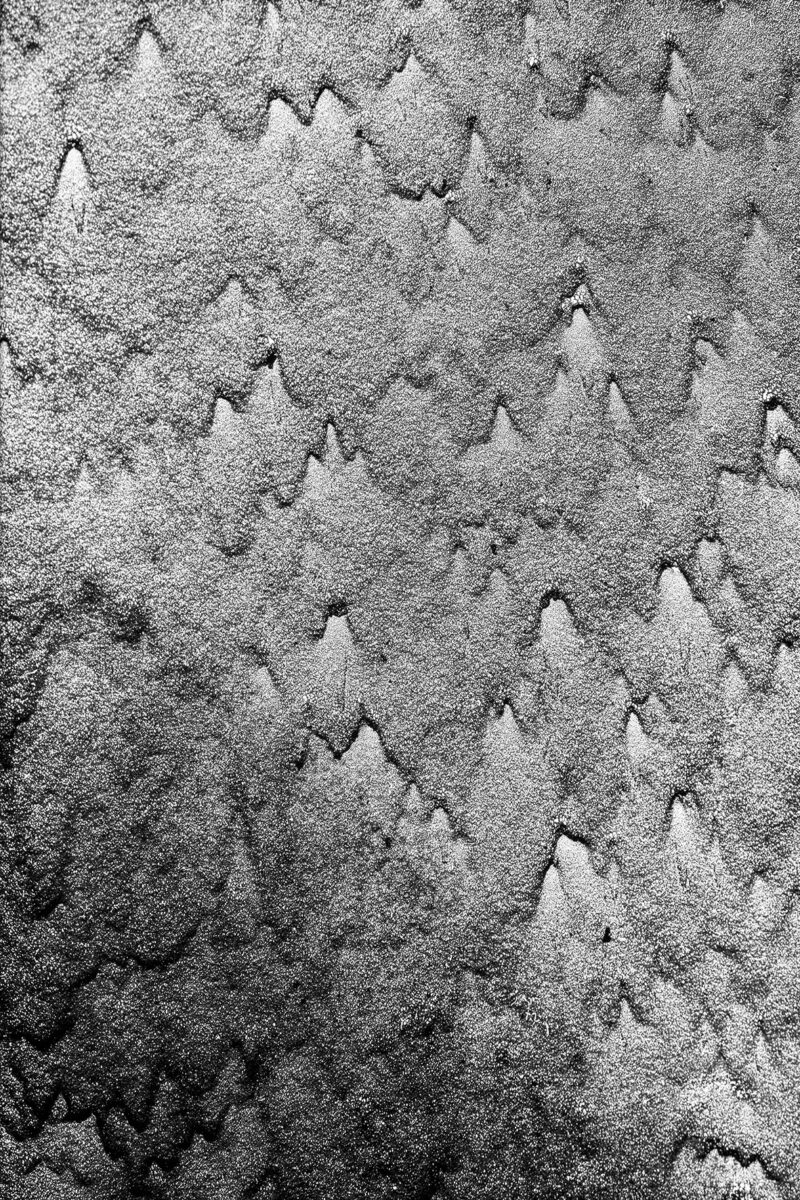
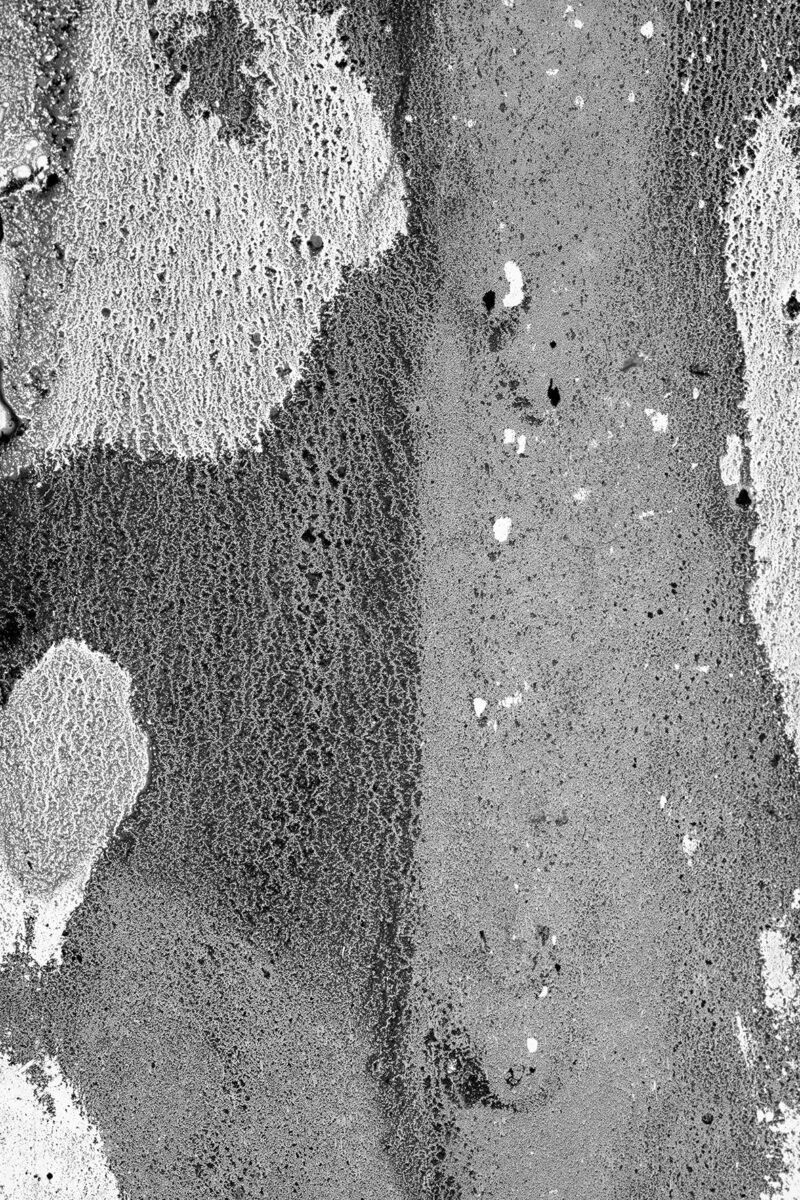
Currently, Risk is the first candidate pursuing a Professional Doctorate at CARADT, where they are conducting pioneering research under the project Unlearning Photography: Listening to Cyanobacteria. This project investigates alternative photographic methodologies, moving away from toxic traditional photographic processes by utilizing cyanobacteria as a more-than-human partner in image-making. This approach aims to create a sustainable photographic process that rethinks human dominance in visual culture, aligning with Risk’s broader commitment to decolonial and ecological practices.

Unlearning Photography: Listening to Cyanobacteria
Risk Hazekamp, researcher from the Biobased Art and Design group has received funding from Regieorgaan SIA for their PD project – Unlearning Photography: Listening to Cyanobacteria.



Publications
Hazekamp, R. (2024, Oct) Limited ‘Makeability’ of Society. The Societal Impact of Applied Design Research, NADR Symposium. Dutch Design Week, Eindhoven
Hazekamp, R., Coordes, H.H. (2024, Sep) Expanded Semantic Levels in Fashion // Unlearning Photography: Listening to Cyanobacteria by Harm Heye Coordes & Risk Hazekamp. Dialogue at Encounters in Artistic Research (Day 2: Making, Thinking, Writing), Minerva Art Academy
Hazekamp, R. (2024, April). How can BioArt facilitate a living alternative photographic methodology to envision our world without a camera, through a non-chemical production process and with a non-human gaze? [Conference presentation]. Helsinki Photomedia Conference 2024, Aalto University, Finland.
Hazekamp, R. (2024) Book review of ‘LET’S BECOME FUNGAL! Mycelium Teachings and the Arts’ by Yasmine Ostendorf-Rodríguez. FORUM+, 31(1), 62–65. https://doi.org/10.5117/FORUM2024.1.008.HAZE
Hazekamp, R., Lykke, N. (oct. 2022) Ancestral Conviviality. How I fell in love with queer critters, FORUM+, Volume 29, Issue 3, Oct 2022, p. 30 – 36.
Hazekamp, R. (2020) Unlearning Photography, Mister Motley, Motley College.
Research Group: Regenerative Art and Design
The Regenerative Art and Design (RAD) research group seeks to contribute to a new generation of regenerative designers and artists who address the pressing need for transitions that support planetary health. By taking whole systems responsibility through collaborative practices, the group aims to create transformative pathways for reimagining design futures grounded in care and ecological integrity.
Read more
‘How can art and design cultivate critical expressions rooted in ethics of care and relationality to influence ecological, social, and economic structures?’
Delfina Fantini van Ditmar 
‘How can embracing the unexplored areas in creative disciplines help develop non-linear and non-binary modes of researching, doing and thinking for regenerative futures?’
Ariane Fourquier
‘How can we find new materials and products that rely on interdependence between communities and ecological systems rather than extraction?’
Hugo F. Garcia
‘A bio lab is a place of working with living organisms, brought out of their habitat so we can learn to think outside of the Petri dish. Let’s take care of these teachers!’
Michaela Davidová