What can the work of cybernetics pioneer Gordon Pask teach us about design, interaction and creativity today? In Behavioral Objects, Behavioral Matter: Rethinking Robotics Through Contemporary Art—An Atlas, Prof. Fantini van Ditmar interviews Dr. Paul Pangaro about Pask’s radical experiments and the value of experimentation, creative friction and the unexpected. Their conversation invites us to reconsider the role of curiosity, provocation and creativity in interactive systems.
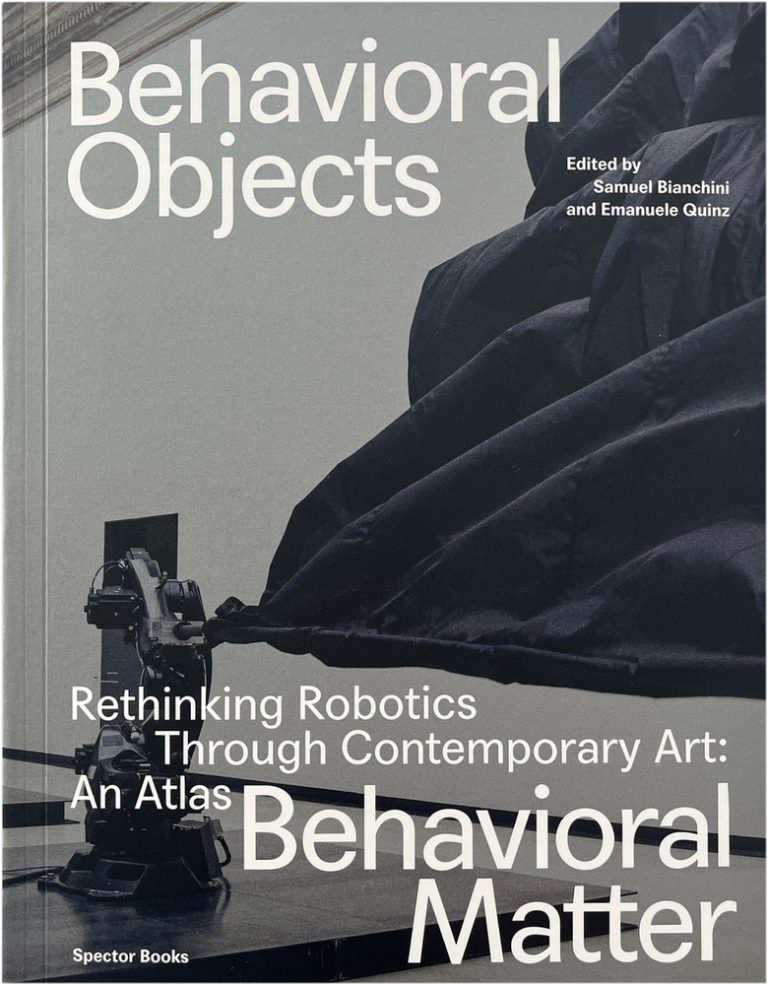
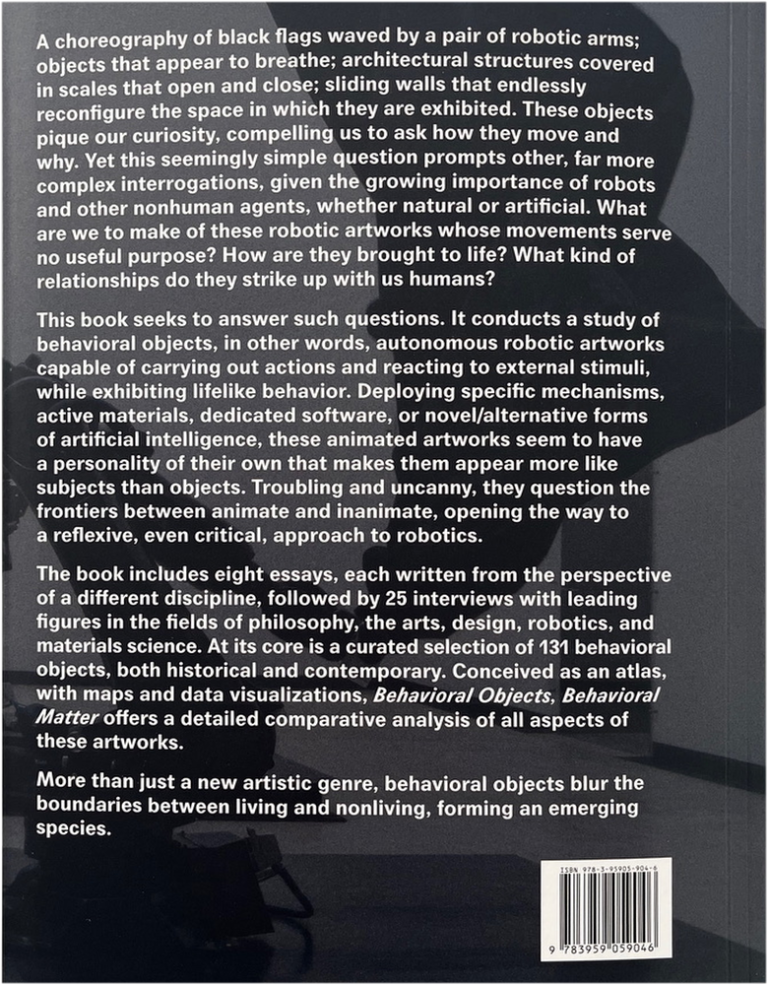
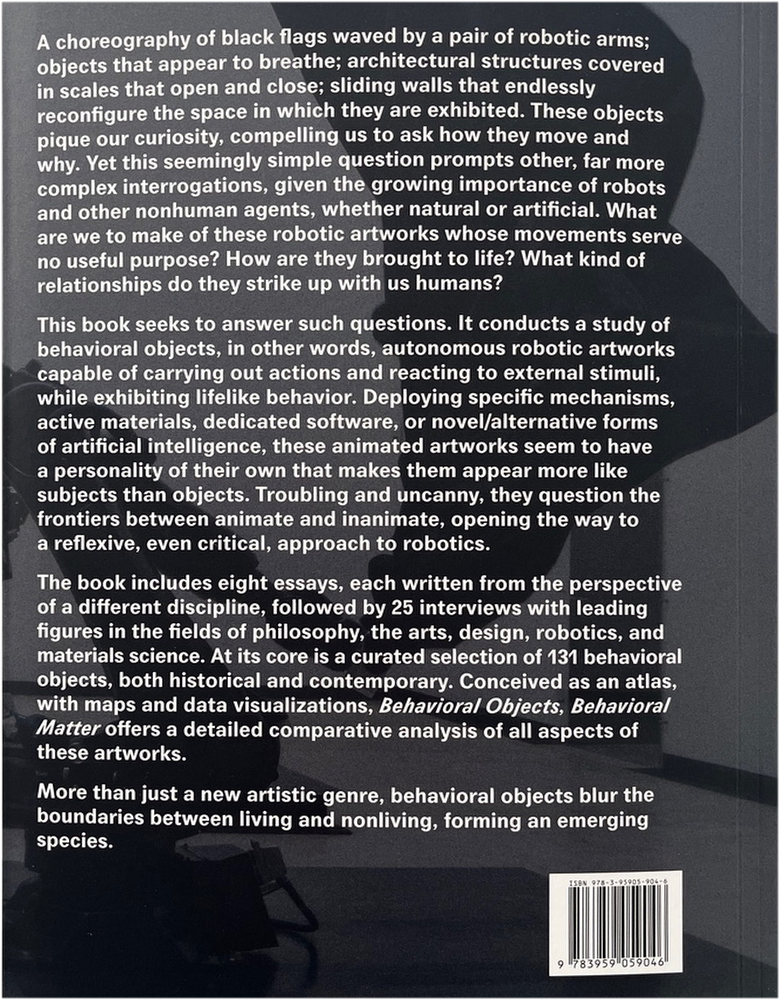
Behavioral Objects, Behavioral Matter: Rethinking Robotics Through Contemporary Art—An Atlas, published by Spector Books and edited by Samuel Bianchini and Emanuele Quinz, takes a critical, multidisciplinary approach to robotics through contemporary art. Bringing together perspectives from philosophy, art history, architecture, design, anthropology, cognitive and material sciences, human–machine interaction, and computer science, the book explores how these diverse fields can inform new understandings of objects, materials, and interactive systems.
As part of the publication, Prof. Fantini van Ditmar interviewed Dr. Paul Pangaro about the work of cybernetics pioneer Gordon Pask and what his radical experiments can teach us about design, interaction and creativity. At a time when artificial intelligence is increasingly shaped by prediction, optimisation and efficiency, Pask’s work invites to reconsider the value of experimentation, creative friction and the unexpected. His approach highlights the importance of curiosity, provocation and the willingness to pursue ideas beyond predictable outcomes.
In 1953, Pask developed Musicolour, an interactive light system that responded to live musical performances. Remarkably, the system could also become bored. His experimental practice demonstrated that interactive systems could be more than obedient tools, opening up new possibilities for creative exchange.
The interview also considers what may be lost when complex systems are simplified in the pursuit of optimisation. Reflecting on the reconstruction of Pask’s Colloquy of Mobiles, Pangaro examines how efficiency-driven approaches can diminish the very qualities that make interactive systems compelling.
Today, increasingly accessible technology makes it easier than ever to build machines. This accessibility can also encourage a disposable approach to technological experimentation. Looking back at an era when resources were harder to obtain, Pangaro emphasises the ingenuousness required to build, adapt, and make things work. As he puts it, “you had to cannibalise a piece to make the next one.”
Contributors
The book includes contributions from Emmanuel Alloa, Sofian Audry, James Auger, Joffrey Becker, Yoshua Bengio, Samuel Bianchini, Marie-Pier Boucher, Francesca Cozzolino, Lorraine Daston, Olivier Dauchot, Elie During, Delfina Fantini van Ditmar, María Fernández, Marinella Ferrara, Peter Fratzl, John Frazer, Paula Gaetano Adi, Petra Gemeinboeck, Ken Goldberg, Sophia Gräfe, Emmanuel Grimaud, Graham Harman, N. Katherine Hayles, Damith Herath, Tim Ingold, Jonas Jørgensen, Rahma Khazam, Sophie Krier, Yasuo Kuniyoshi, Ianis Lallemand, Cecilia Laschi, Jean-Paul Laumond, Rebecca Lemov, Dominique Lestel, Florent Levillain, Patrice Maniglier, Aurélie Mosse, Paul Pangaro, Simon Penny, Andrew Pickering, Alexandre Pitti, Emanuele Quinz, Mette Ramsgaard Thomsen, Patricia Ribault, Jessica Riskin, Rob Saunders, Isabelle Thomas-Fogiel, Skylar Tibbits, Elisabetta Zibetti.
Learn more about the book on the Spector’s Books website
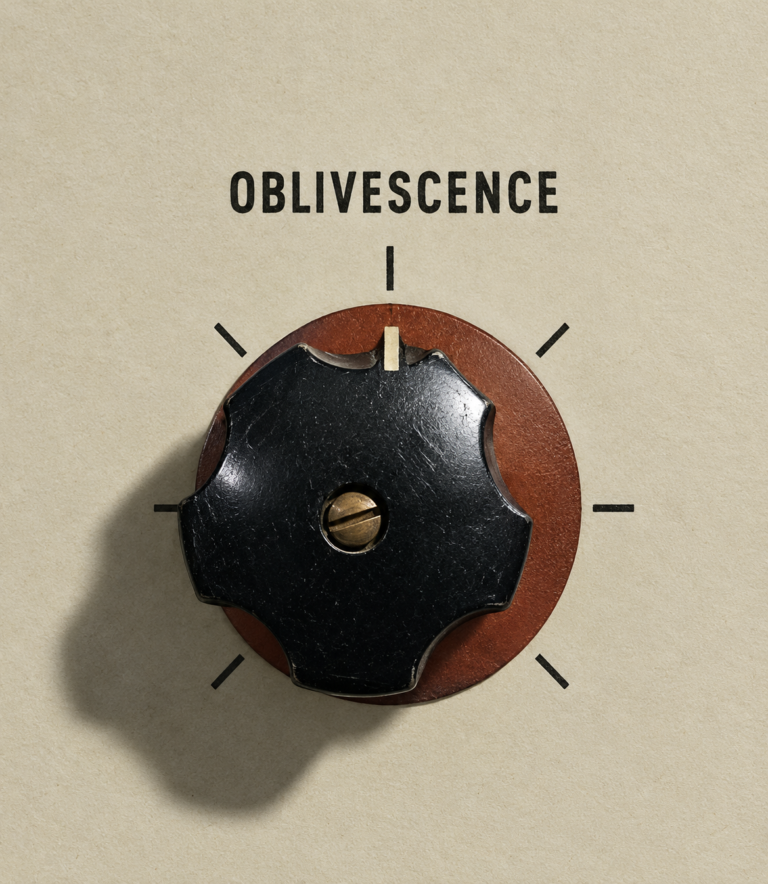
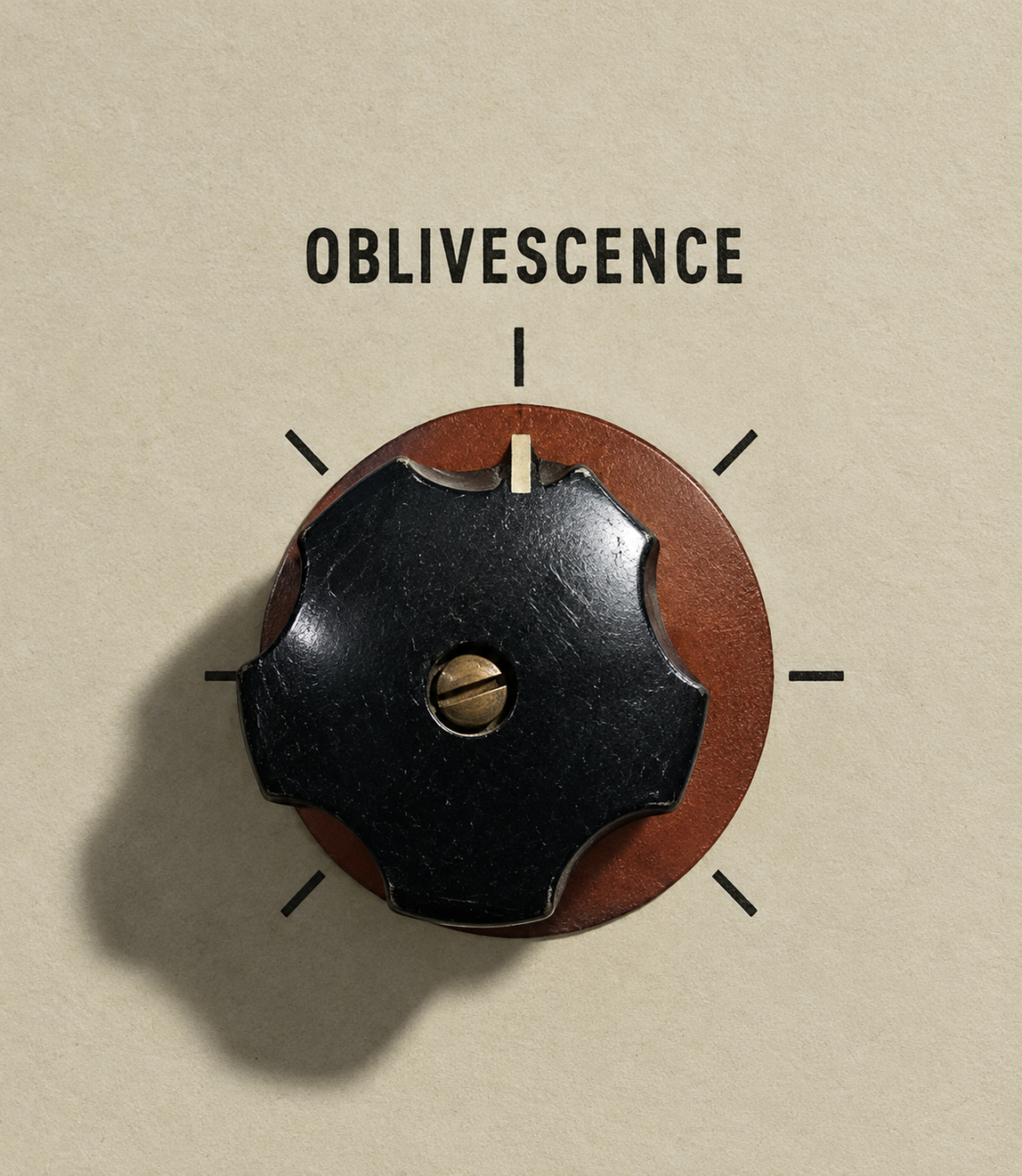
Photo: Control Panel from Eucrates. Knob ‘OBLIVESCENCE’ (Image: Paul Pangaro)