Exploring the Guts of the City: Stuttgart Summer Camp 2026
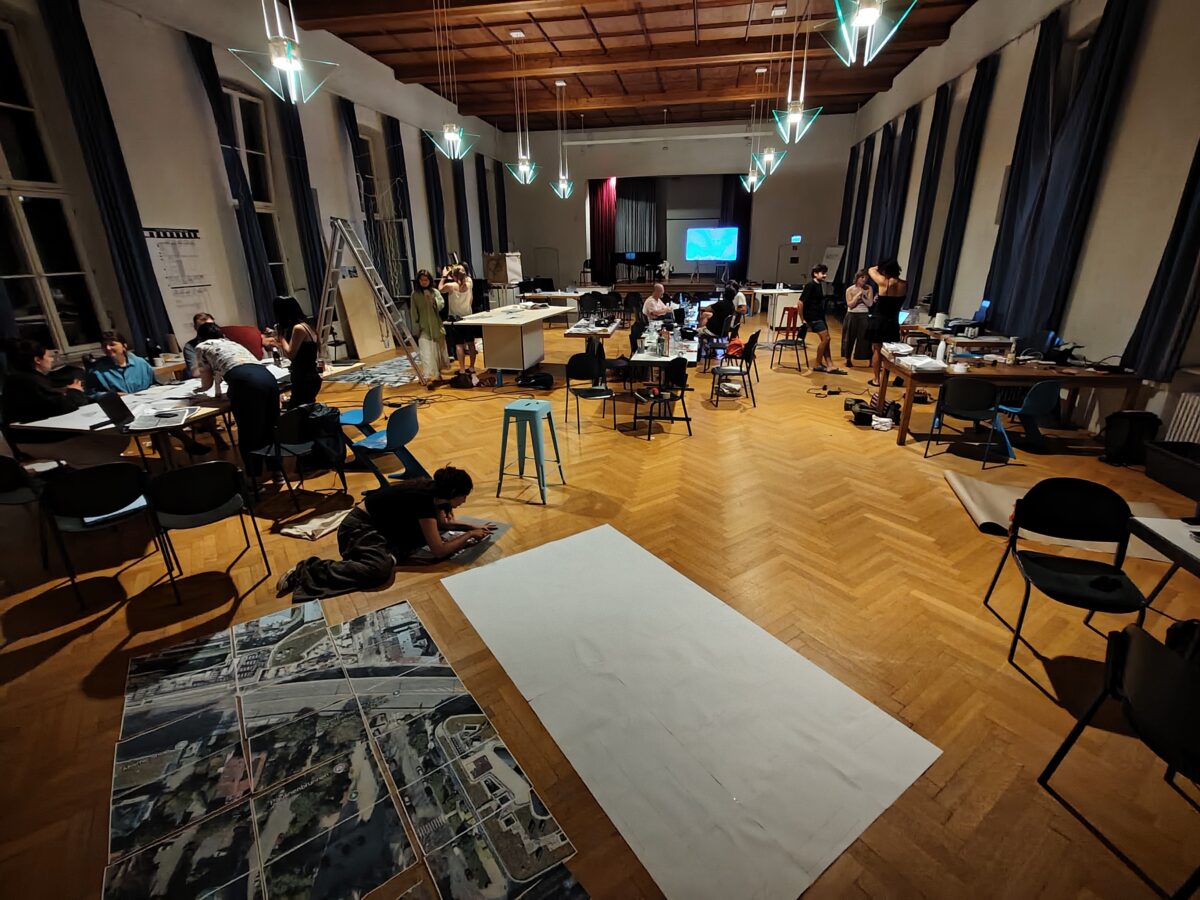
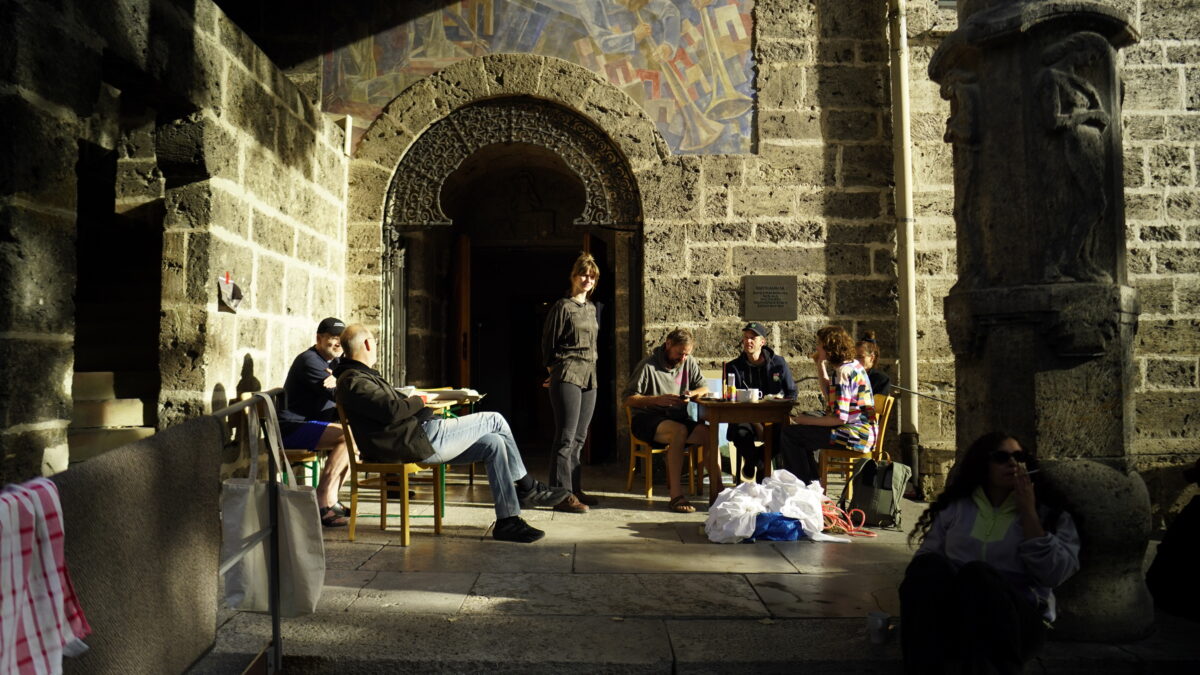
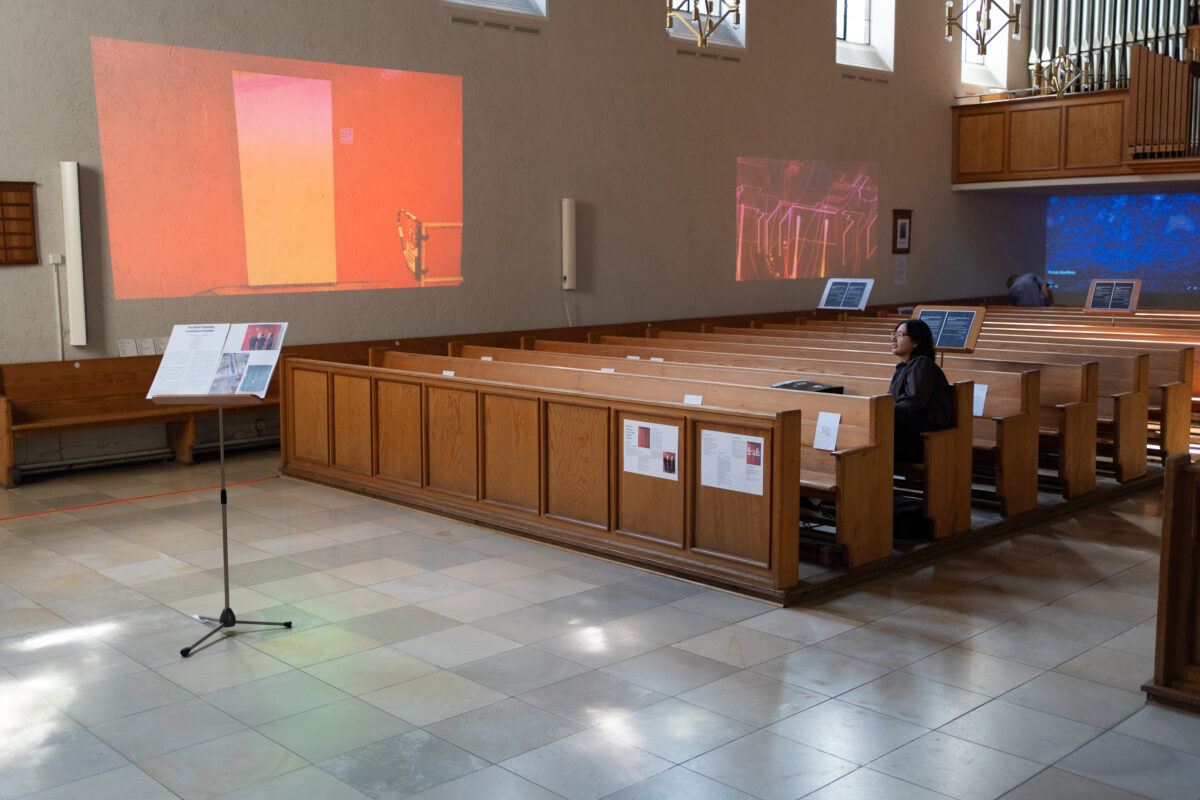
For two weeks, from 30 August to 12 September, students and teachers from across Europe and beyond came together in Stuttgart for the second Stuttgart Summer Camp, organised by the Wüstenrot Foundation, urbanes.land gGmbH Stuttgart and Belius GmbH Berlin in collaboration with CARADT. With the Erlöserkirche as their shared base, participants explored Stuttgart’s inner city through artistic, architectural and spatial research.
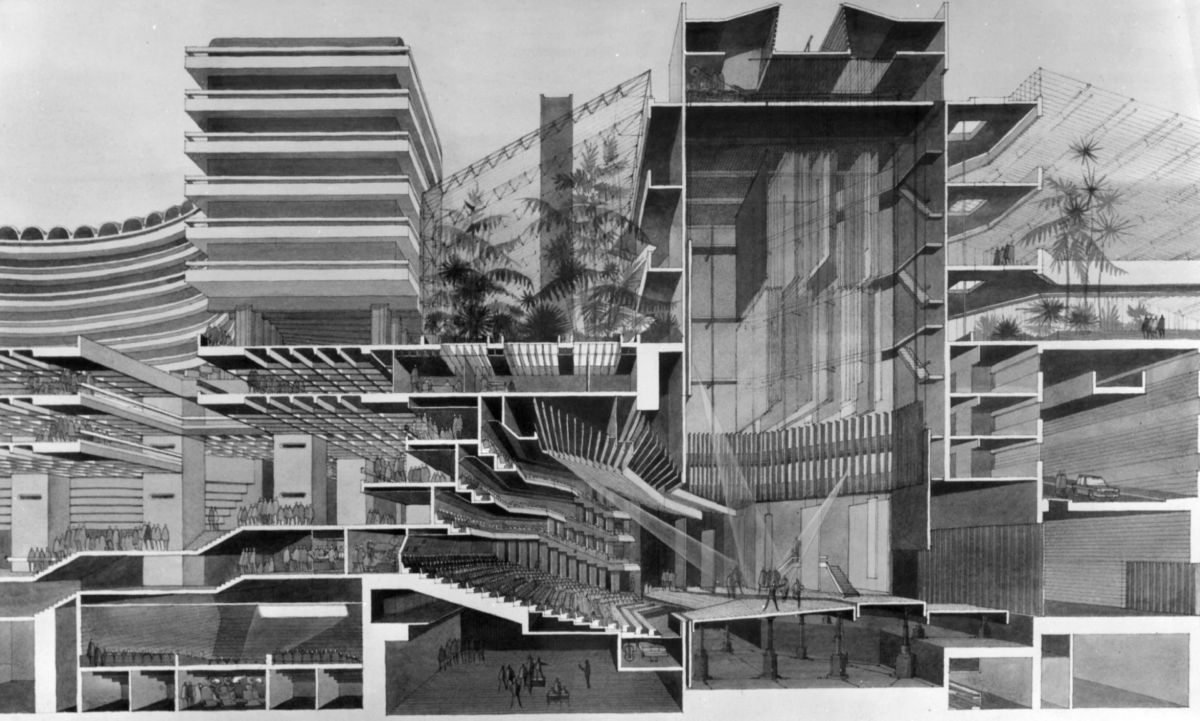
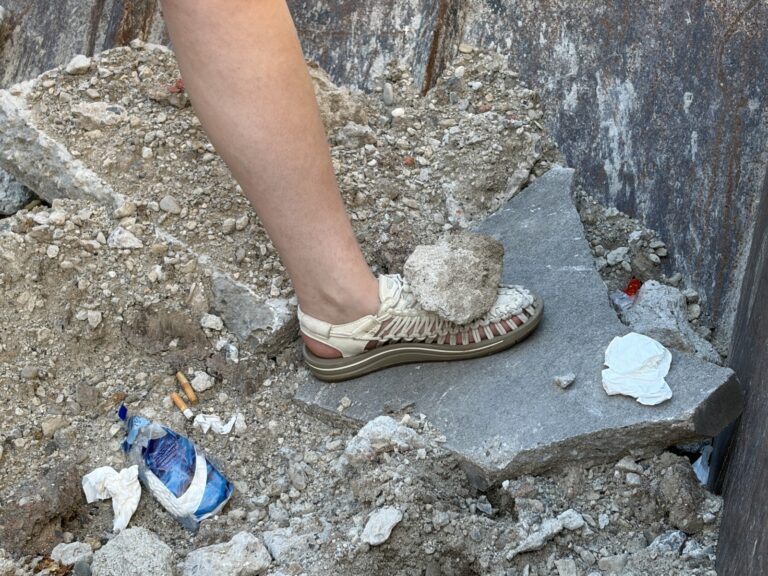
This year’s camp focused on what might be called the guts of the city. At street level, Stuttgart’s city centre can appear relatively ordinary: a post-war city shaped by shopping centres, offices, traffic infrastructure and large-scale commercial buildings. Beneath this visible city, however, lies another spatial reality. Basements, storage facilities, tunnels, parking garages, delivery systems and other underground structures extend beneath and between individual buildings, creating a much larger and more interconnected spatial body.
Rather than treating these spaces simply as hidden infrastructure, the camp asked what they might reveal about the city itself. What happens when Stuttgart is no longer understood as a collection of separate buildings, but as a layered structure shaped by past decisions, material continuities, systems of access and changing forms of use? And what new possibilities might emerge when these existing structures are read differently?
The underground was therefore both a physical condition and a starting point for imagination. Participants investigated structural systems, historical traces, entrances, thresholds and inaccessible spaces, while also paying attention to stories, memories, habits and atmospheres that are less easily mapped. The camp combined close observation with speculation: what could be measured and documented existed alongside what could only be imagined.
A diverse group of students and teachers brought different disciplinary and cultural perspectives into this research. Participants came from architecture, visual arts, artistic research and social and cultural practices, with backgrounds spanning the Netherlands, Norway, Romania, Switzerland, Germany and countries including Syria, Iran, Vietnam, Canada, Peru and Bolivia. What made the camp particularly distinctive was the collaboration between teachers from different European institutions and students whose backgrounds reached far beyond Europe, bringing very different educational, cultural and personal perspectives into the same temporary learning environment.
Convivial (g)Hosts
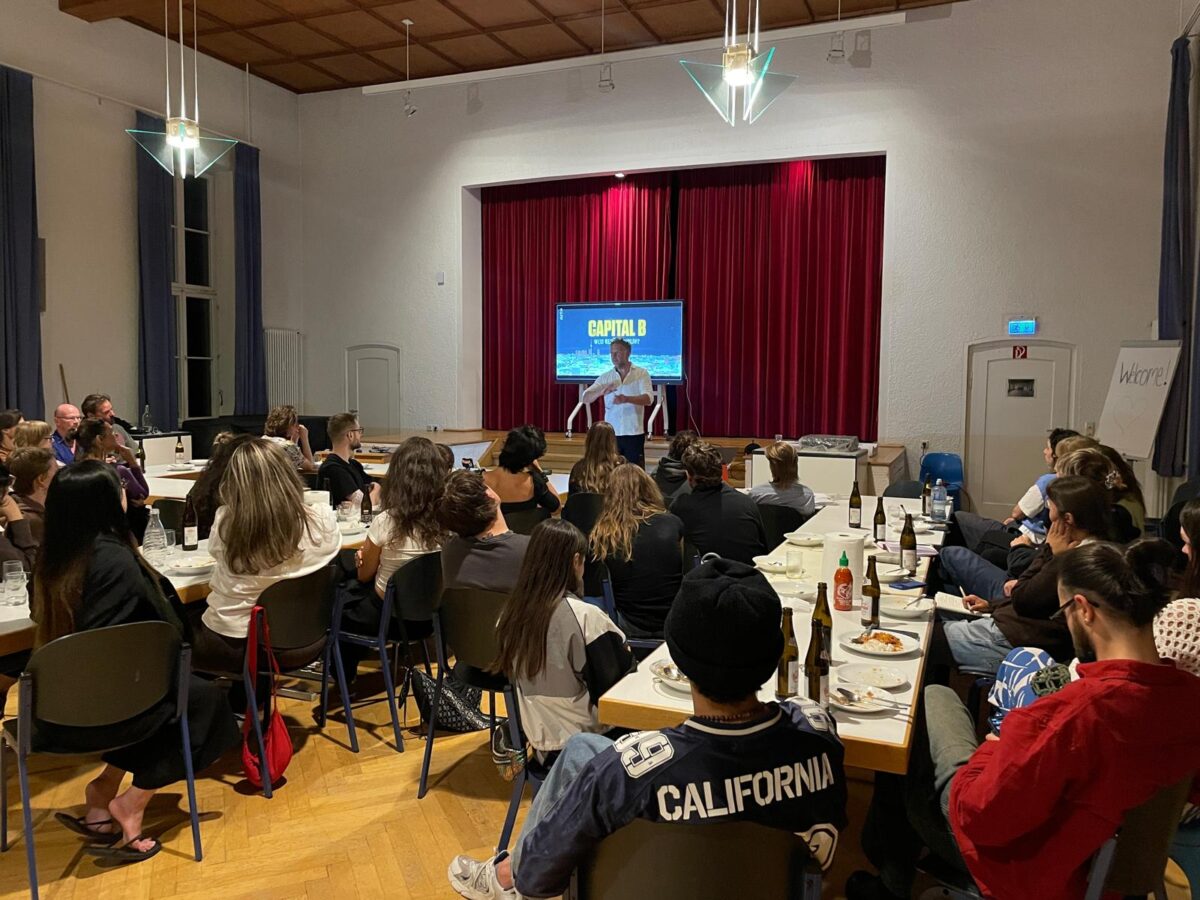
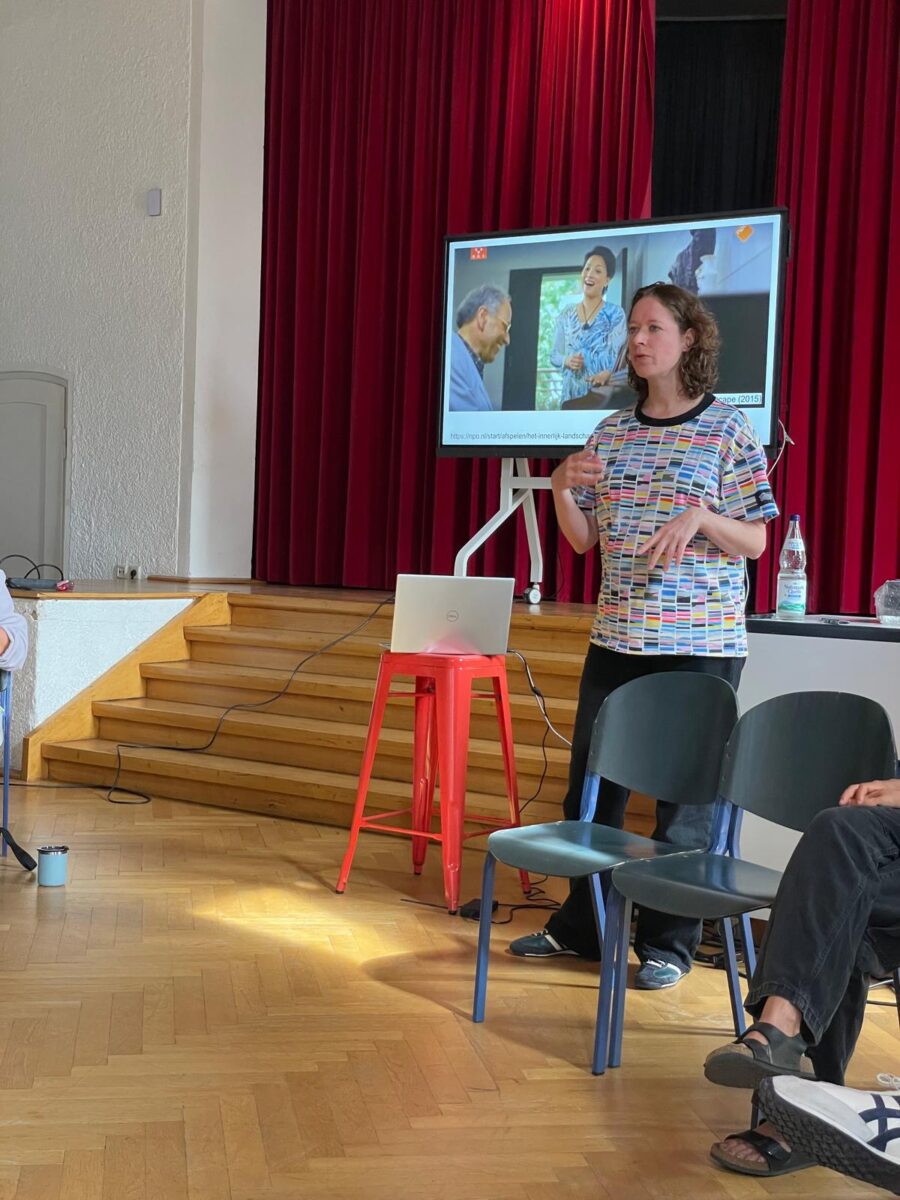
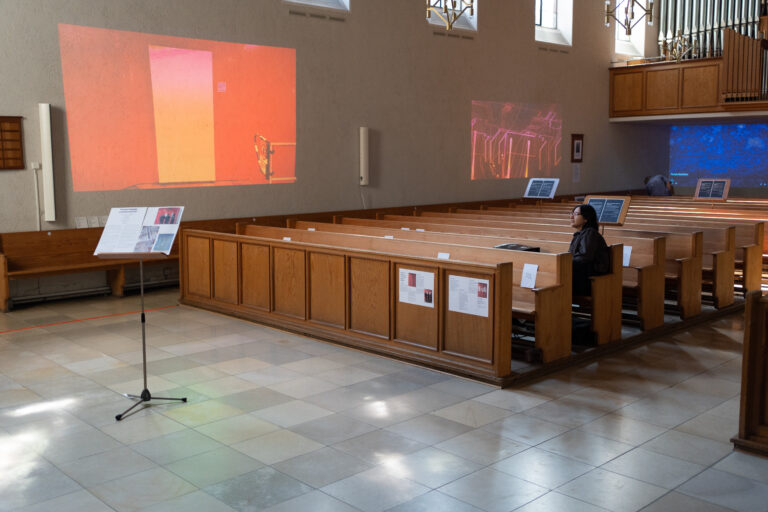
Professor Sebastian Olma’s lecture Convivial (g)Hosts: Negotiating Our Zeitgeists for the Sake of a Future In-Common provided a conceptual introduction to questions that would later be explored through the Guest ~ Host ~ Ghosts workshop. Moving through ghosts in the machine: polycrisis, ghosts of an-aesthesia: cultural stasis, ghosts of the otherwise: hauntology and ghosts of the future: the city we became, Olma considered how remnants of the past and expectations of the future shape the way we understand and act in the present. Central to the lecture was a question of social imagination: how do we imagine alternatives when cultural and political life seem increasingly caught between repetition, immediacy and crisis? Drawing, among others, on Mark Fisher and hauntology, Olma pointed towards unrealised possibilities that continue to linger in the present.
This raised several questions that would stay with the group: Can we suspend familiar professional criteria and the desire for quick solutions? What do we bring with us when we enter an unfamiliar situation? And how might attention to what is unresolved or not yet fully imaginable create room for different futures?
Guest ~ Host ~ Ghosts
Guest ~ Host ~ Ghosts was a workshop led by CARADT researchers Renée van Oploo and Rob Leijdekkers, developed in relation to their work with The Long Tail of Art. Building on some of the questions introduced in Convivial (g)Hosts, the workshop brought an explicitly artistic perspective into the Summer Camp, focusing on position, sensitivity and imagination: not only on what could be found in the city, but on how participants themselves entered, interpreted and related to it.
Before interpreting Stuttgart, the workshop turned attention towards the position from which participants were looking. Who enters a place as a guest? When does a guest begin to act as a host? What habits, expectations and cultural sensitivities do we carry with us into an unfamiliar situation, and how can we work with these ‘ghosts’?
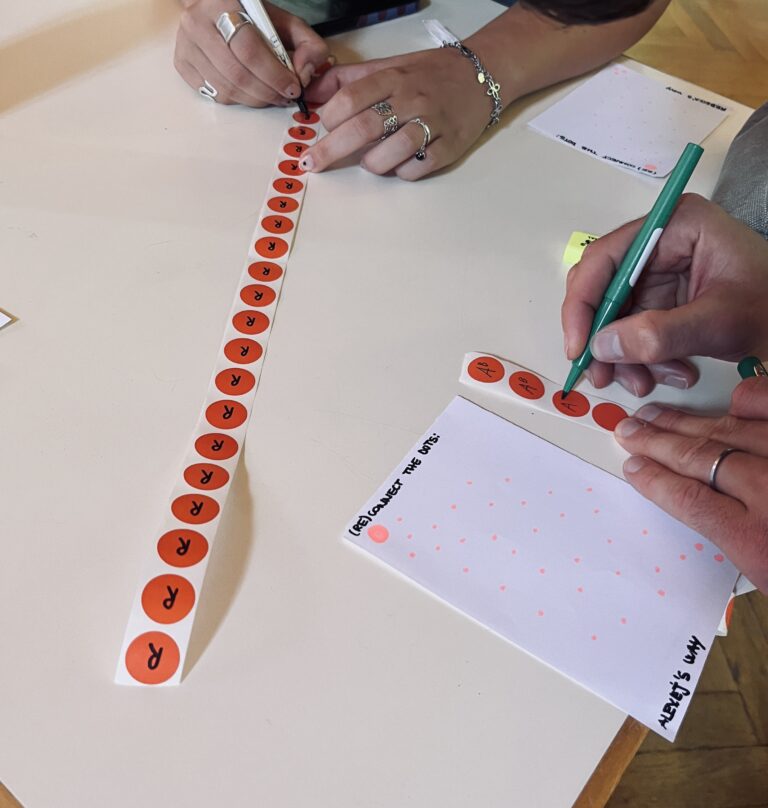
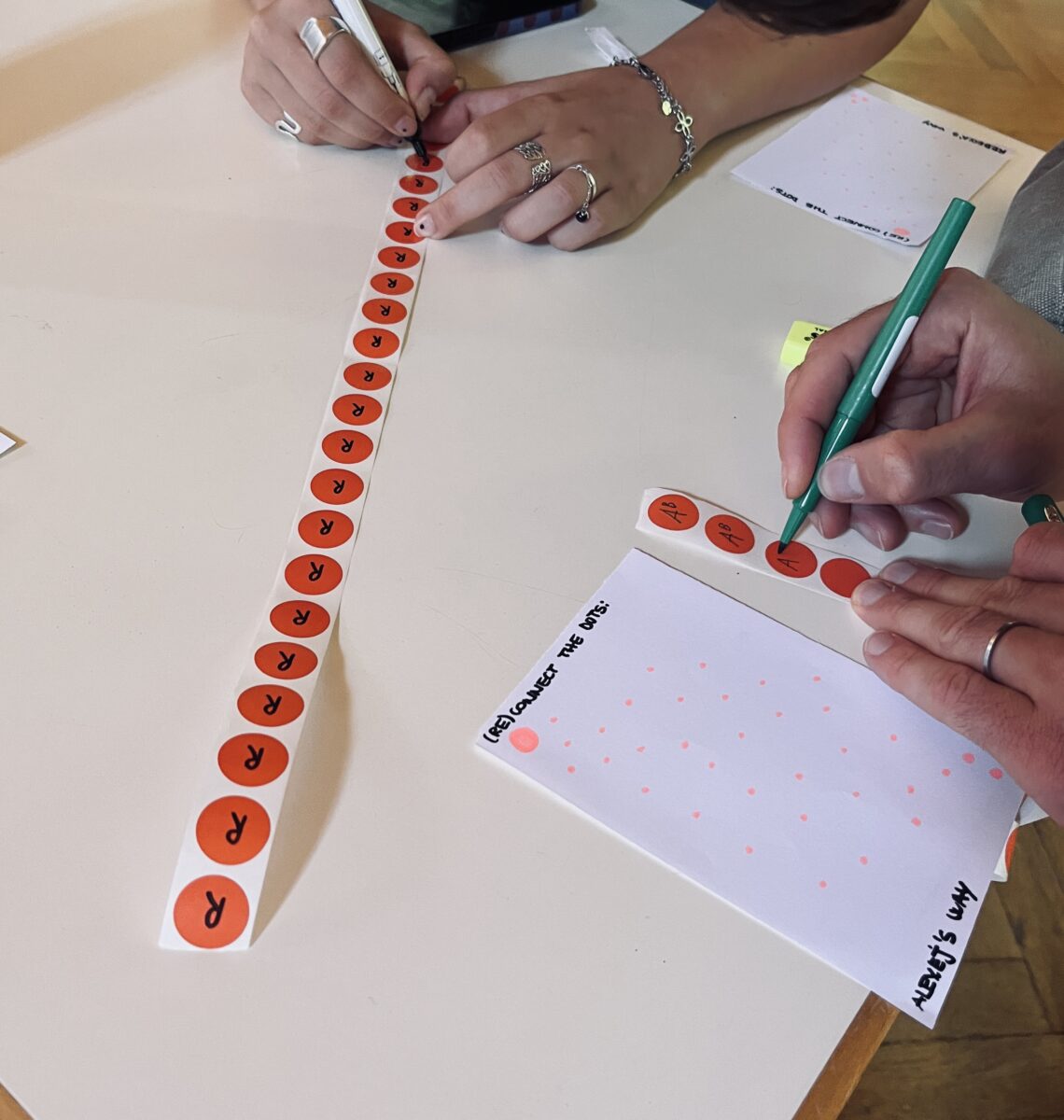
Participants began by exchanging personal and culturally shaped stories about being hosts and guests. These anecdotes were translated into short scripts that paid attention not only to behaviour, but also to material surroundings, spatial arrangements and the often unspoken protocols through which hospitality takes shape. In a second round, the perspective shifted from host to guest, asking how curiosity, judgement, distance and expectation influence the way we enter another person’s space or world. From there, the workshop developed the figure of the ghost: sensitivities, expectations and inherited ideas that continue to shape how we respond to situations. These ghosts can harden into fixed assumptions or dogma, but they can also become sources of imagination. The question was therefore not how to get rid of them, but how to recognise and work with them.
The figures of guest, host and ghost gradually became a shared vocabulary through which participants could reconsider their position in relation to the city, the questions they encountered and one another. What assumptions and methods do we bring into an unfamiliar city? How do we position ourselves when working with people and places we do not yet know? And how can imagination open a situation rather than close it down too quickly? The workshop proposed a more nuanced way of working that comes before the solution, a way of looking around before deciding how to move forward.
Four Ways Into the Underground
Four student groups explored Stuttgart’s inner city from different perspectives. Through mapping, scanning, conversation, sound, performance and speculation, they approached the underground as spatial network, historical layer, social space and imaginative territory.
Moving Like Water
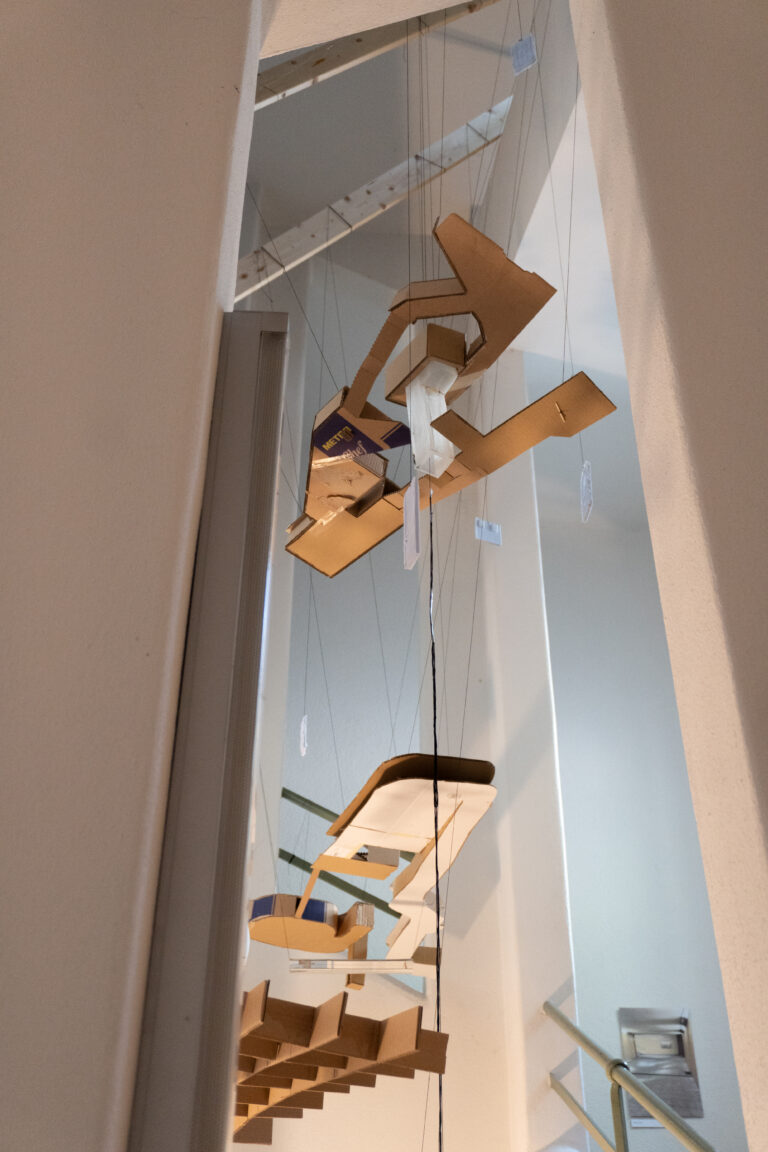
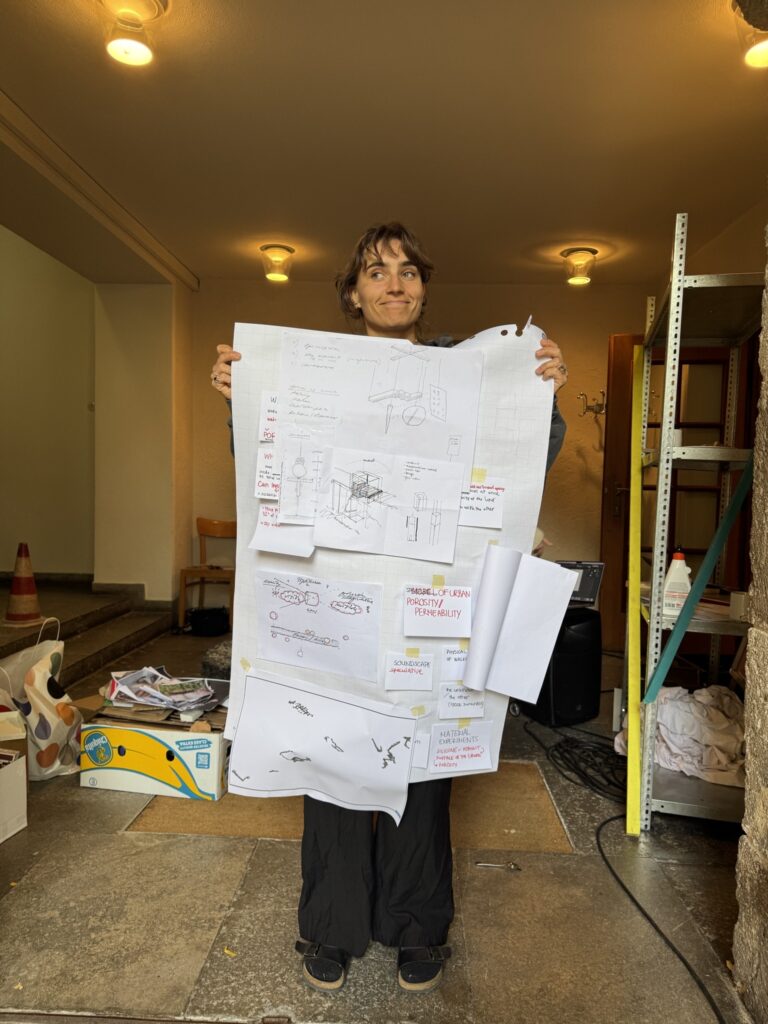
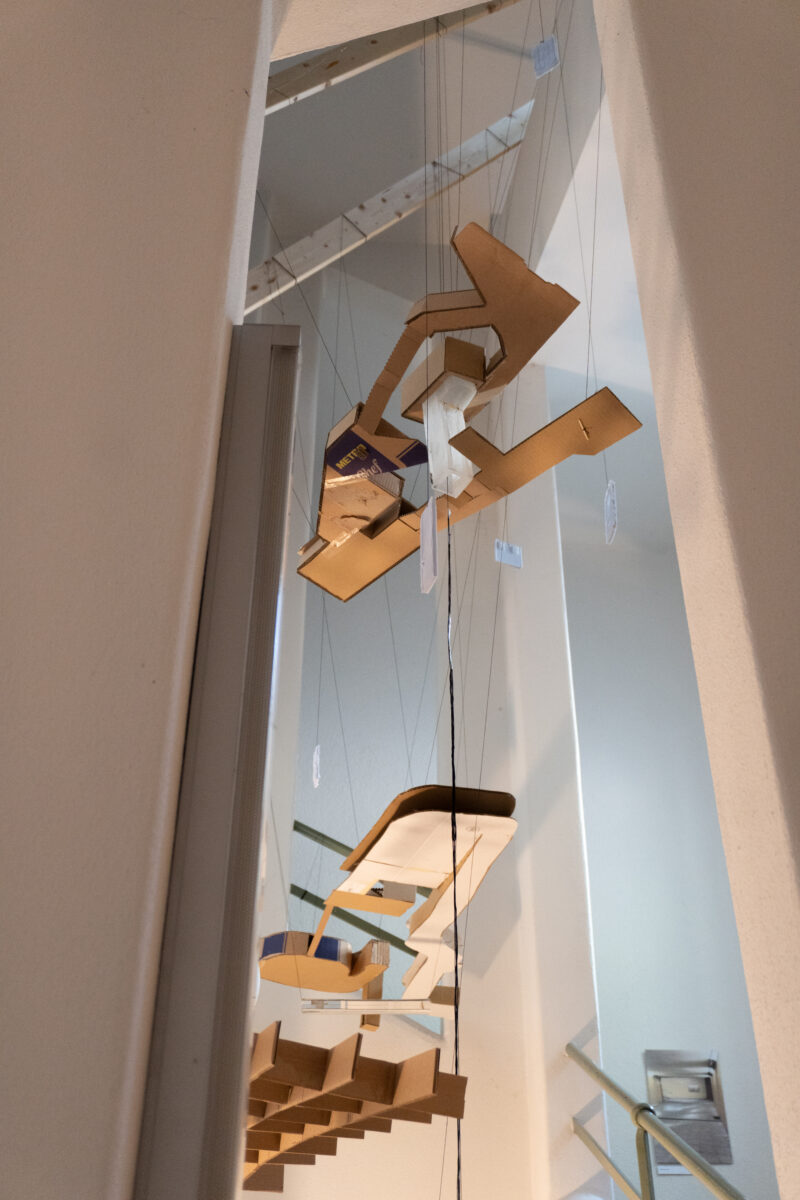
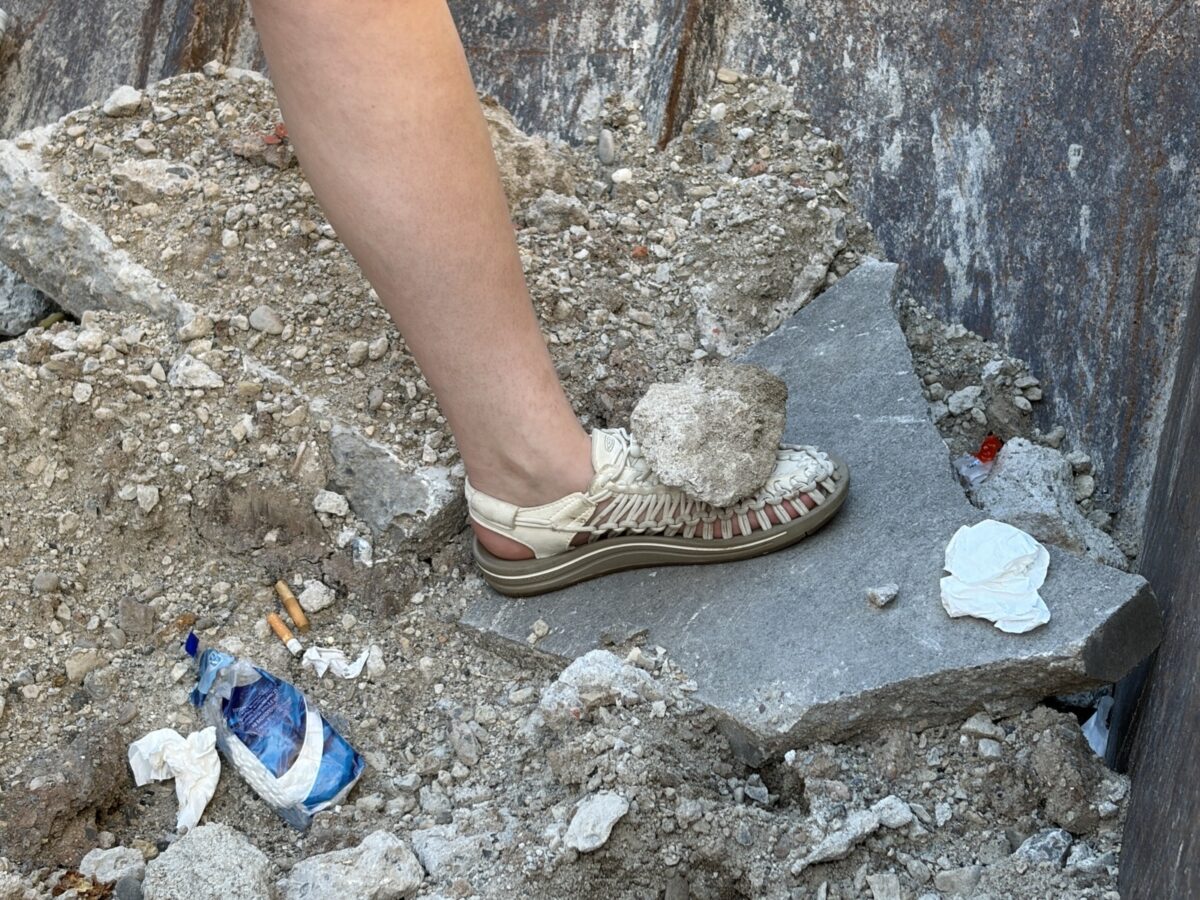
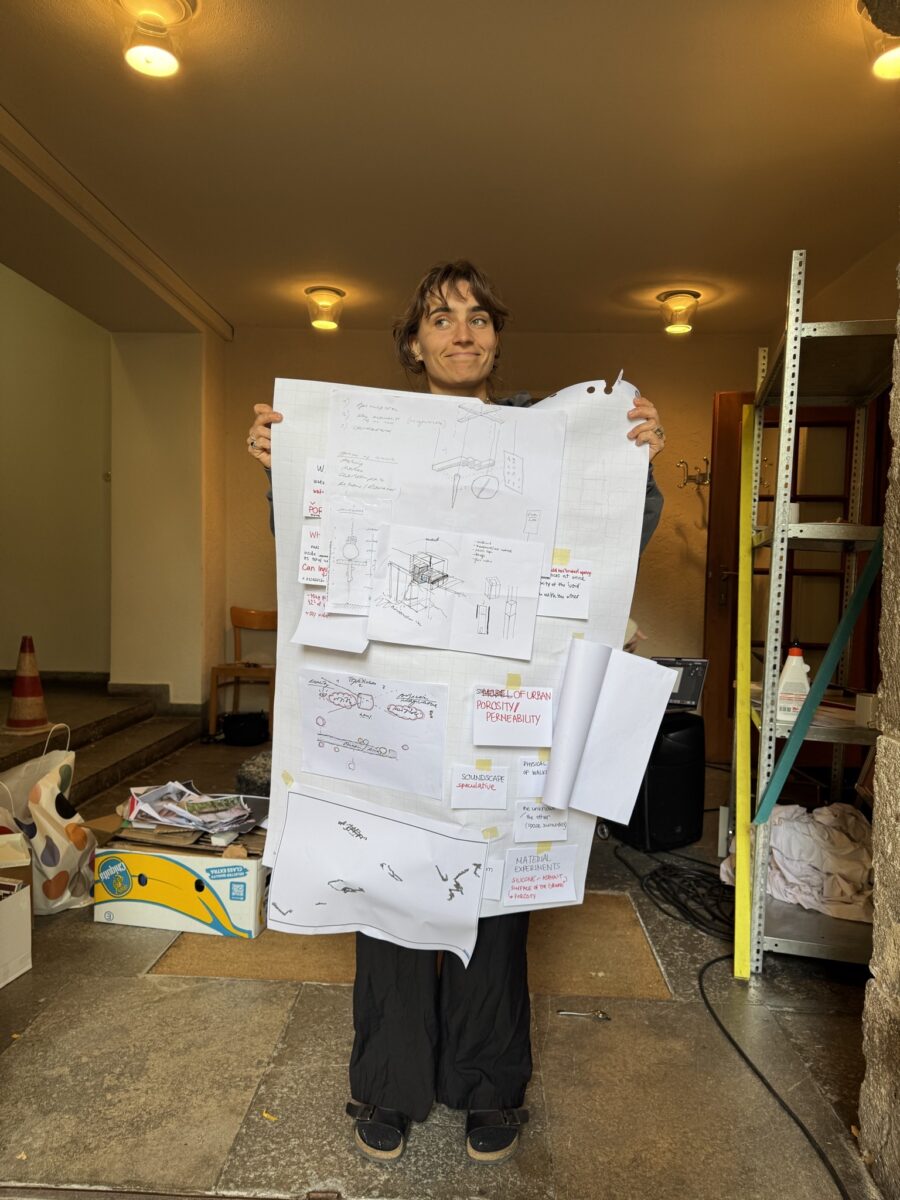
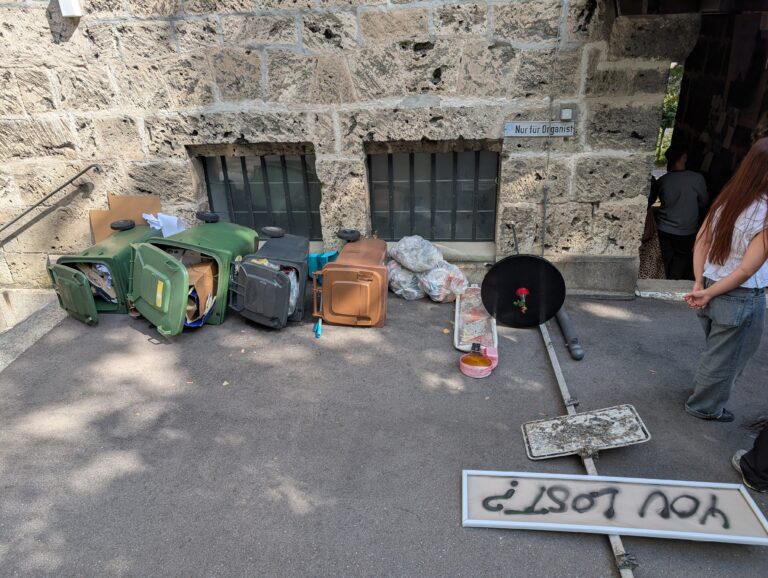
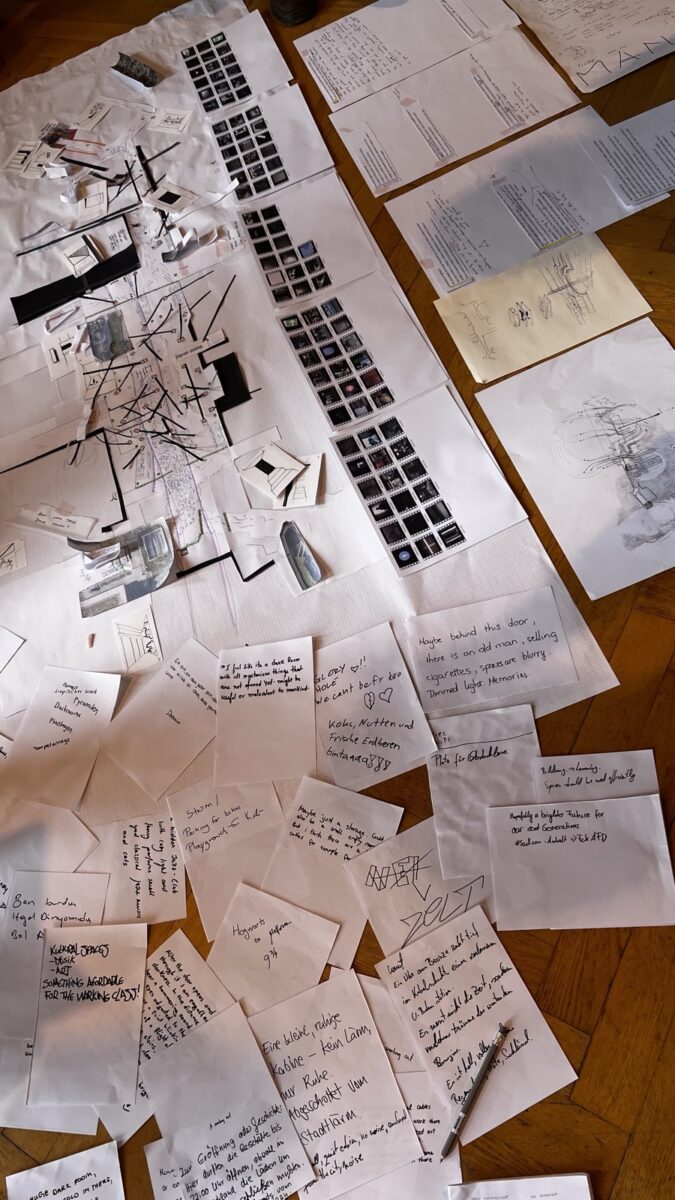
Moving Like Water began above Stuttgart’s buried Nesenbach. Manholes, drains, underground stations and locked entrances became traces of a river and a spatial network that could only partly be accessed. “Water always finds its way” became the group’s method. They moved as far underground as possible, collecting 3D scans, sounds, imprints and spatial observations. Where access stopped, speculation began. The resulting collective model brings these fragments together without pretending to complete what remains unknown. The project asks how porous Stuttgart really is, how deep it is possible to enter, and how we might perceive spaces that remain physically inaccessible.
Developed by participants Julie Finstad, Anoek Huijsmans, Frida Stray, Jane Wildschut and Isa Zorn
Stuttgart Overwritten
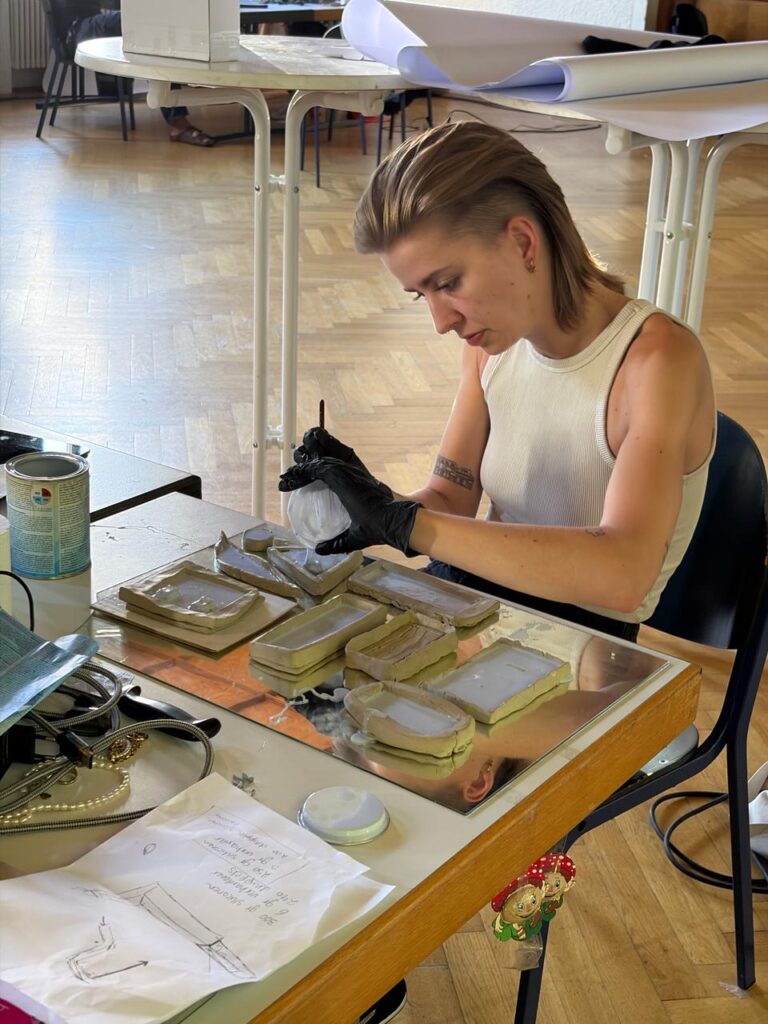
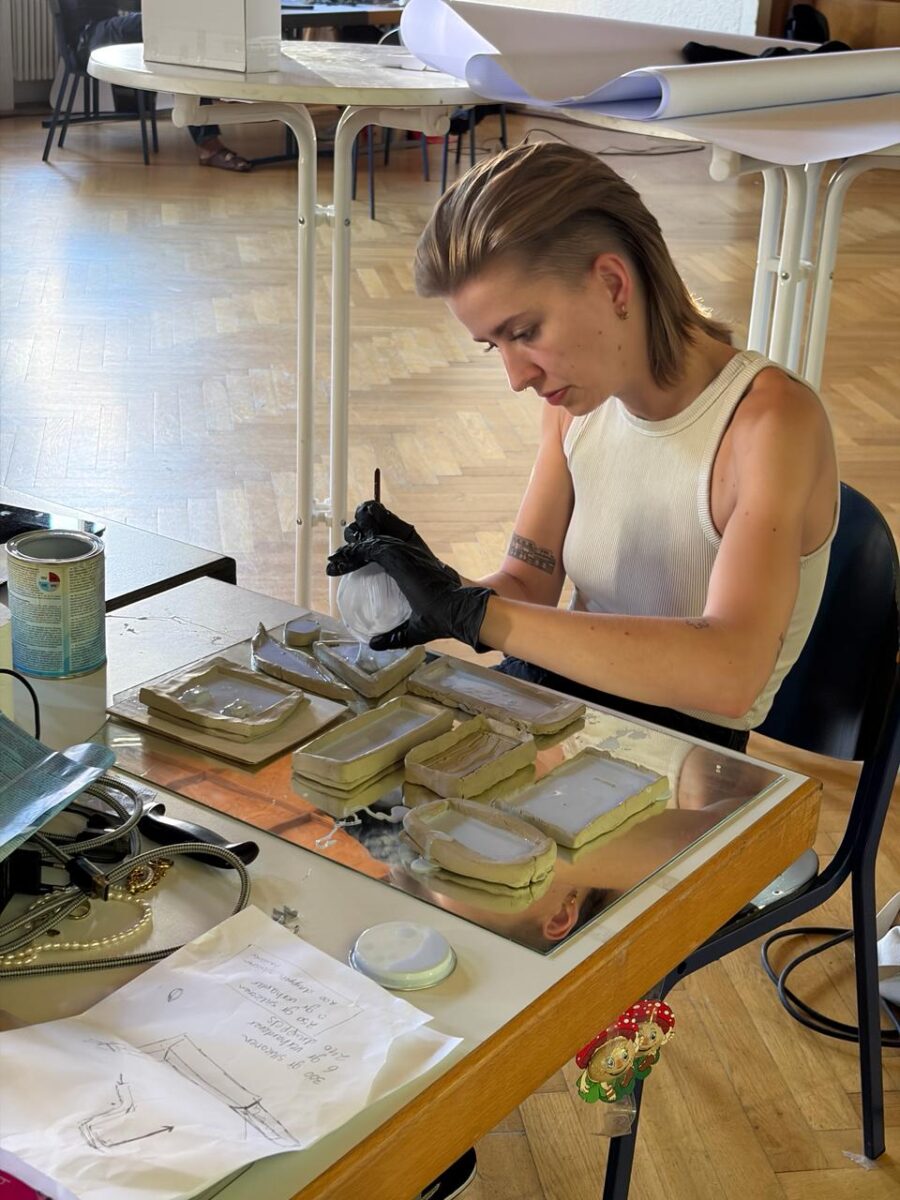
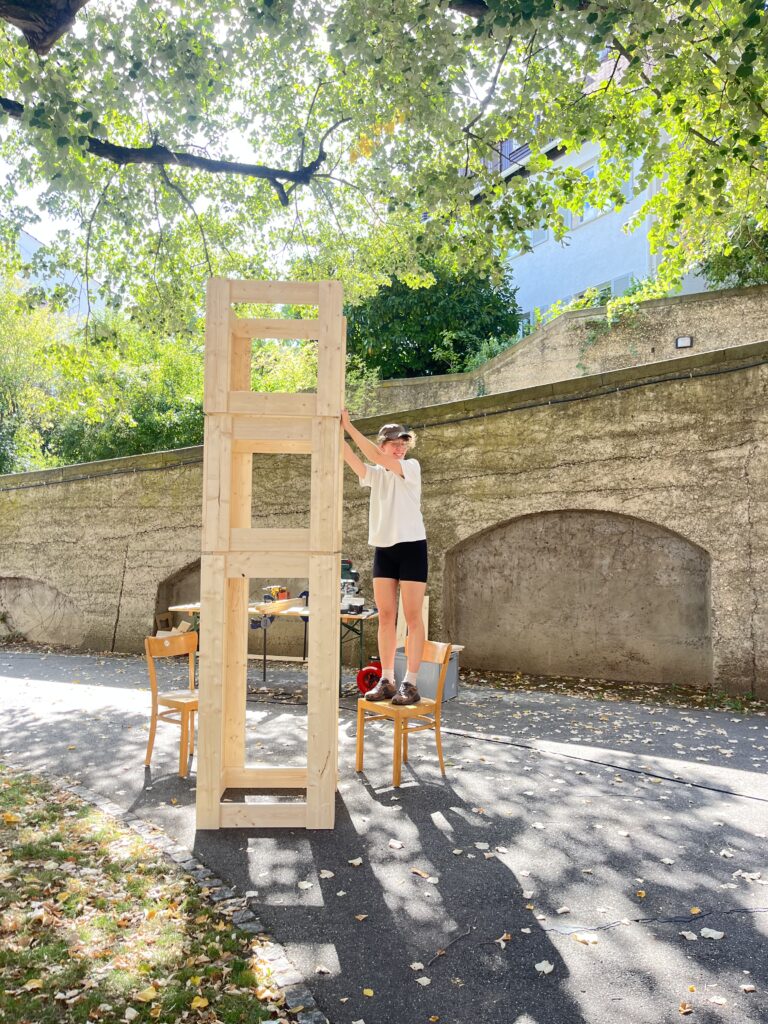
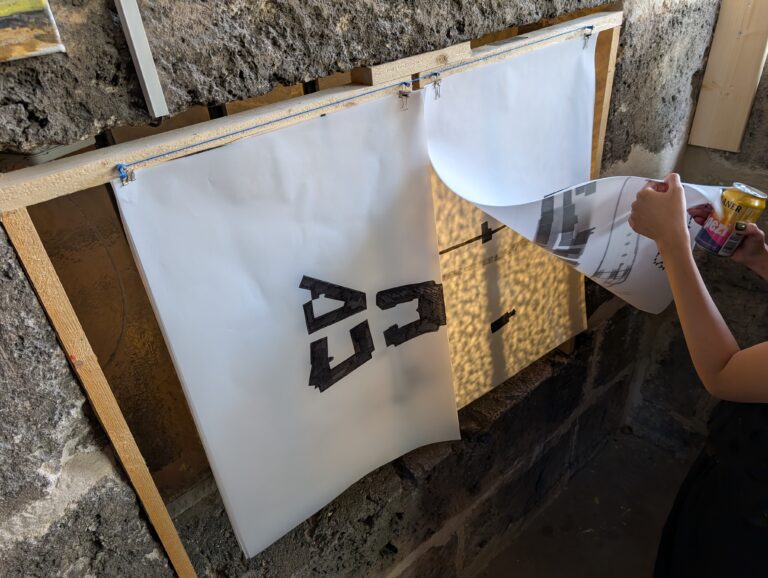
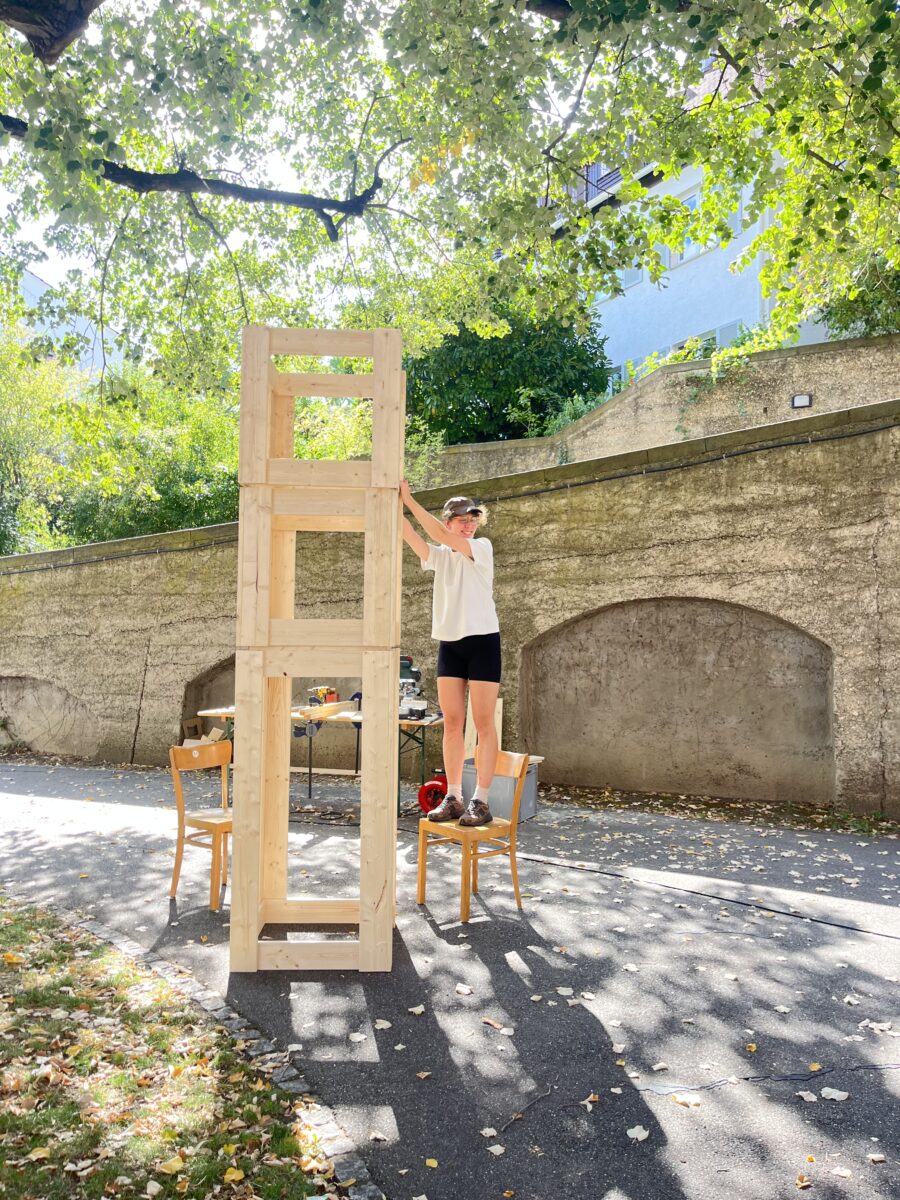
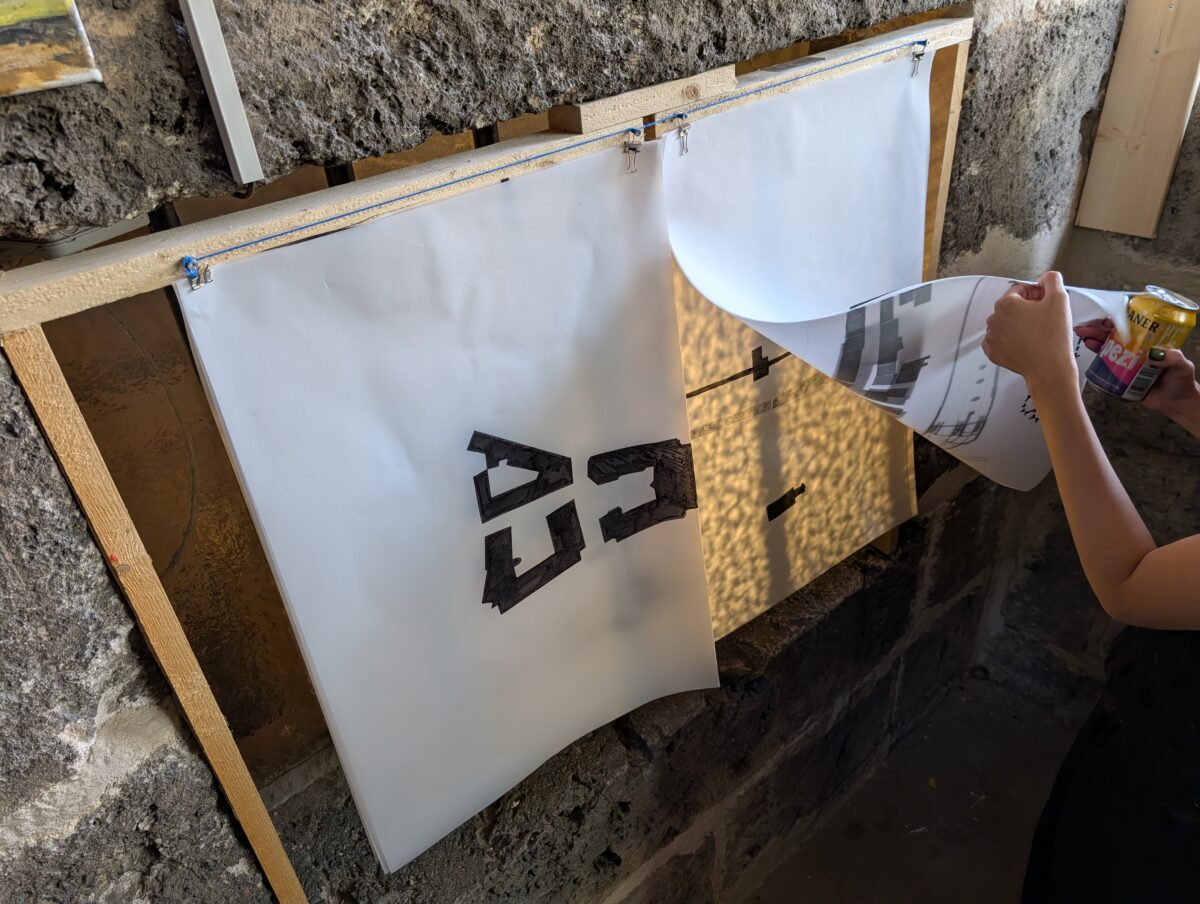
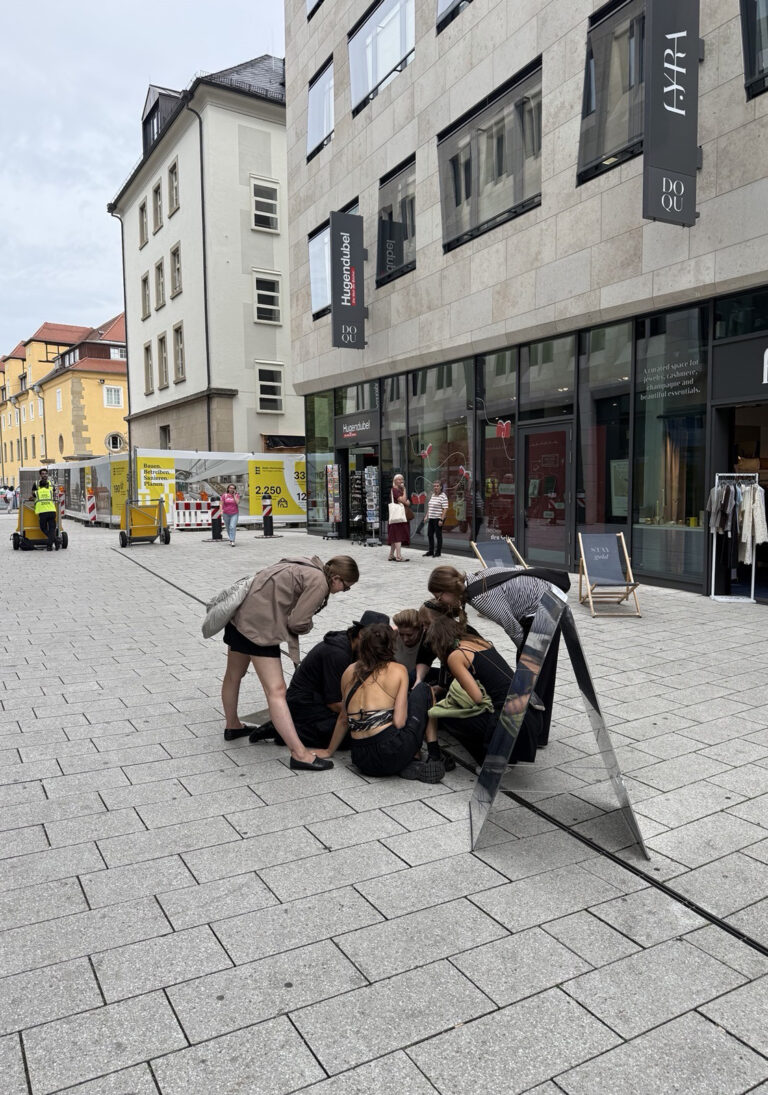
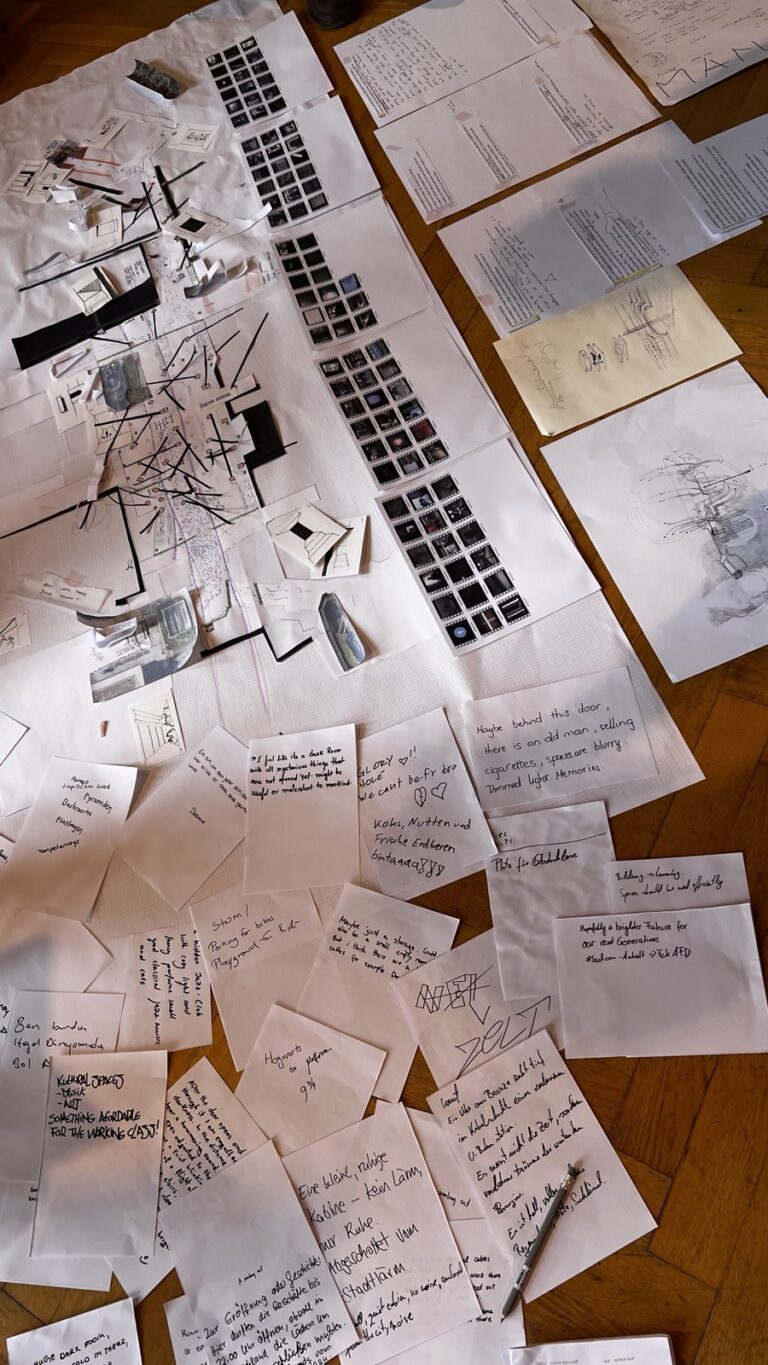
Stuttgart Overwritten approached the city as a vertical palimpsest: a place in which historical, architectural and infrastructural layers continually overwrite one another without ever completely disappearing. Beginning around the Rathaus and the 1970s Schwabenzentrum, the group investigated signs, routes, U-Bahn spaces and traces of former plans and structures. Walking, mapping, reconstruction and making at 1:1 scale became ways of asking how a city can be easy to navigate while remaining difficult to read. Individual investigations ranged from deliberate disorientation and unreadable signs to the removal of visual information from subway spaces and the reconstruction of familiar urban objects.
Developed by participants Andreea Istrate, Lou Roncken Cossio, Rebecca Tomoială, Petra Pănescu, Alexej Birbaum, Rosa Ebert and Mia Maripuu
InTENSIONal Glimpse
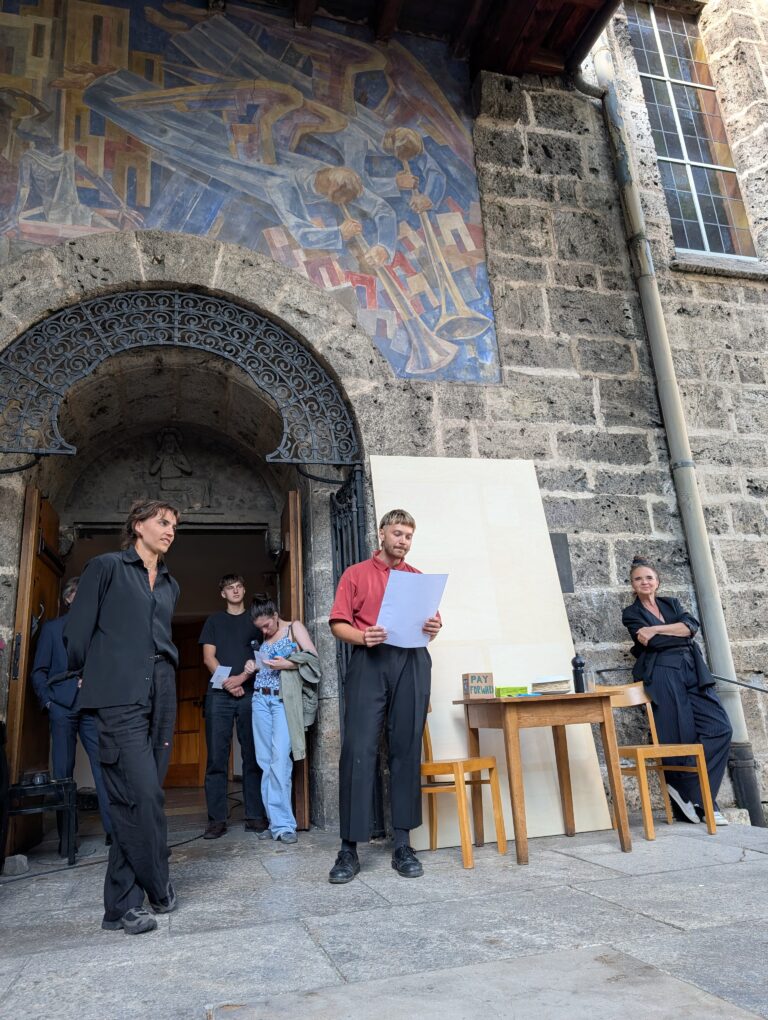
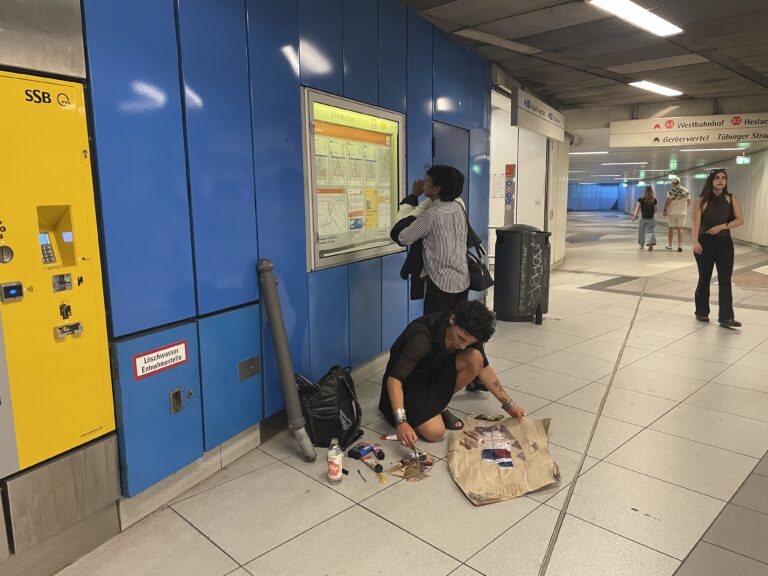
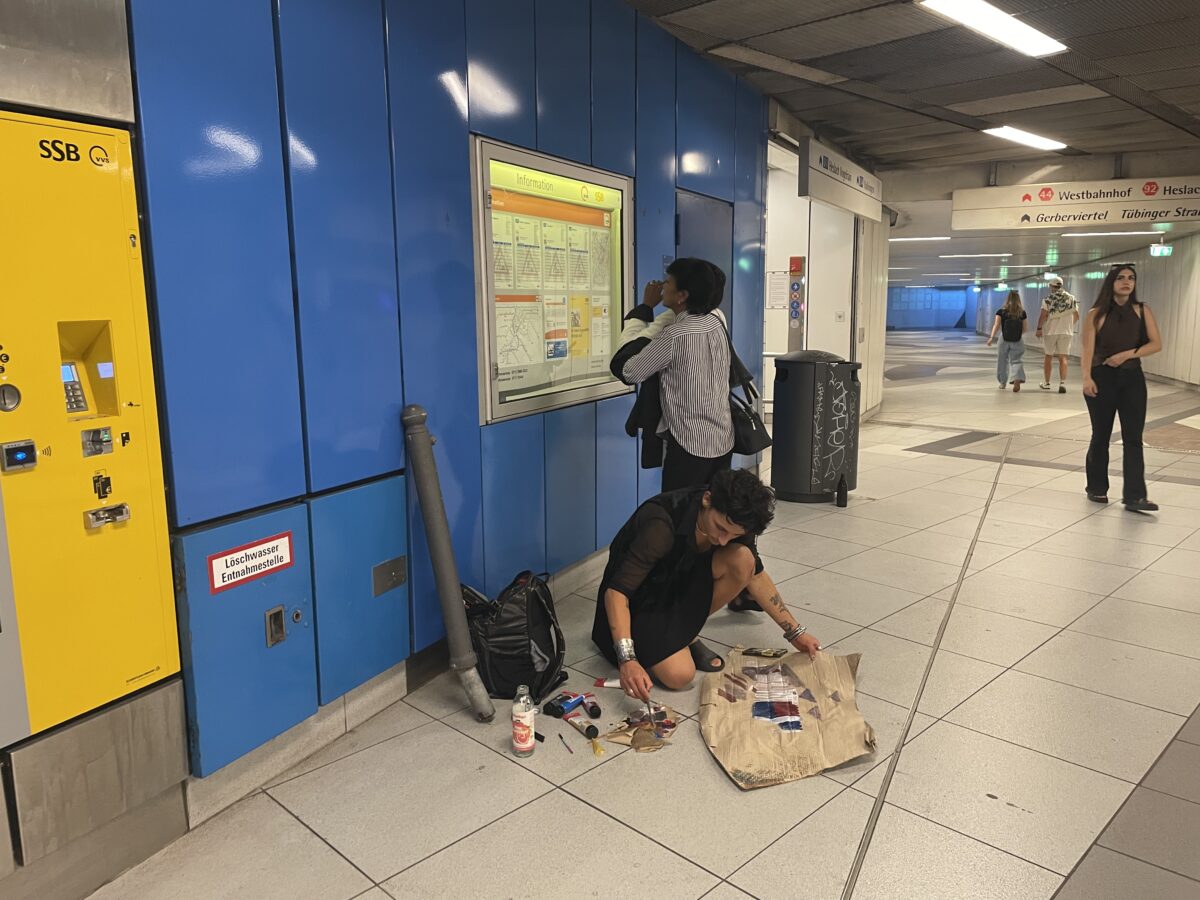
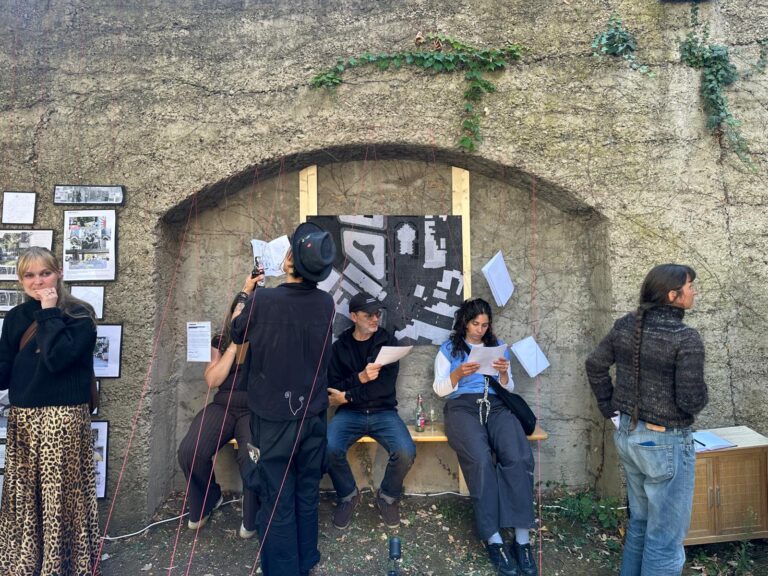
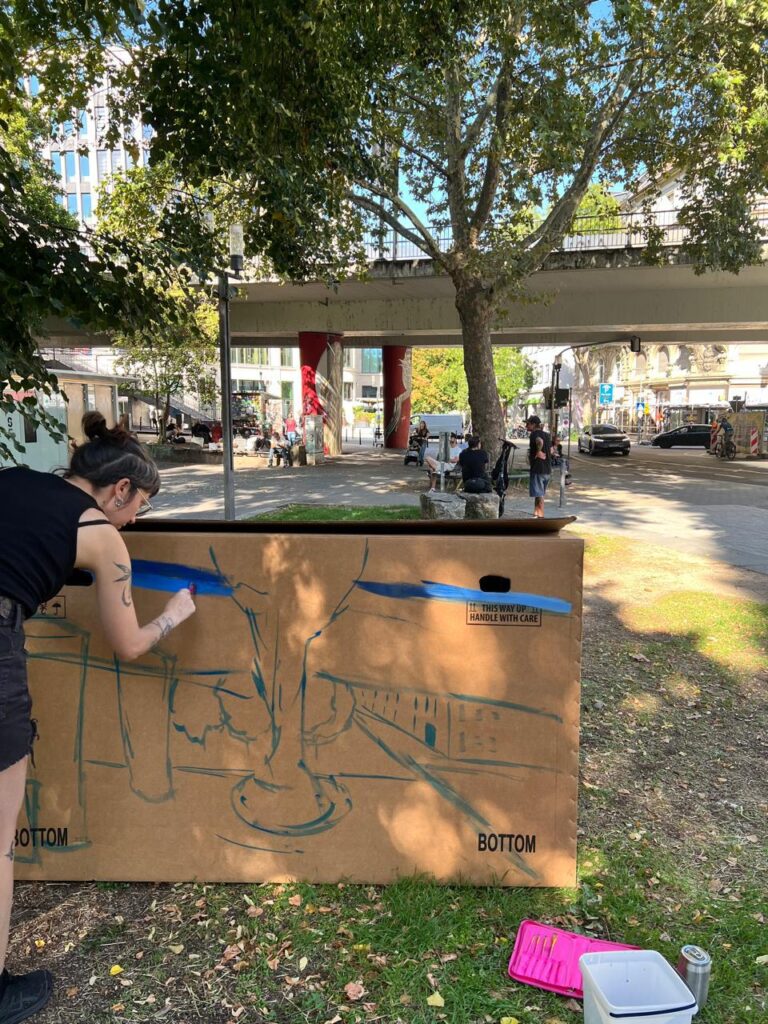
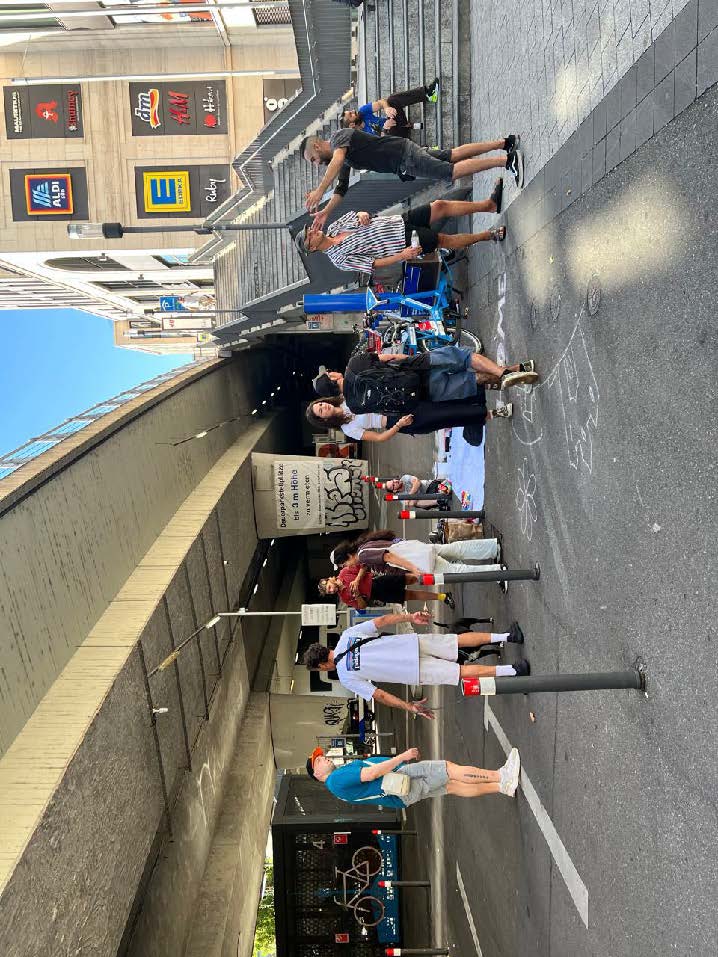
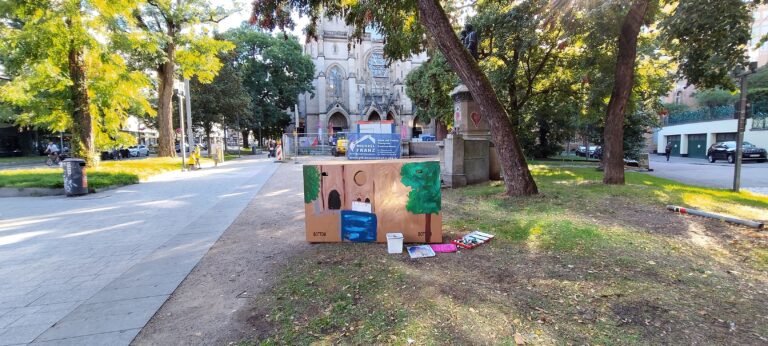
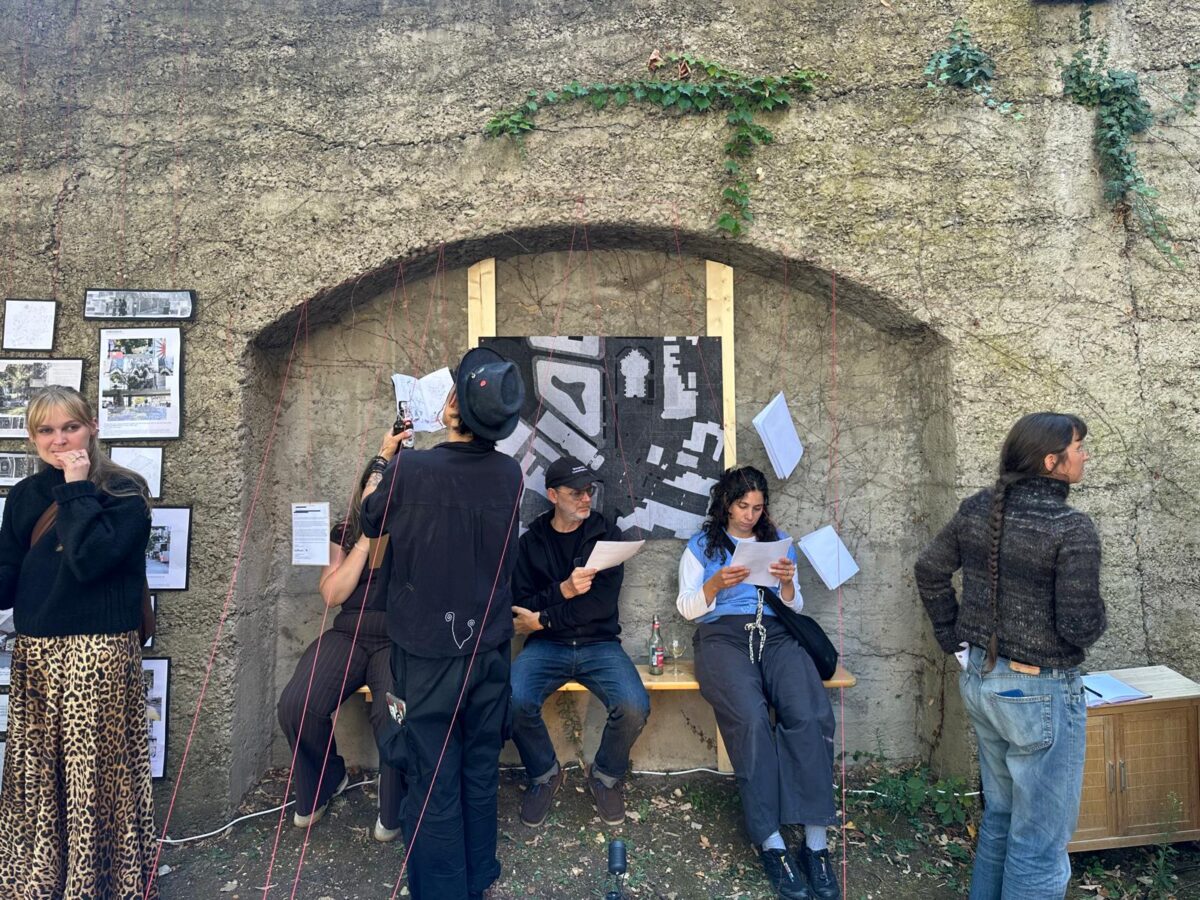
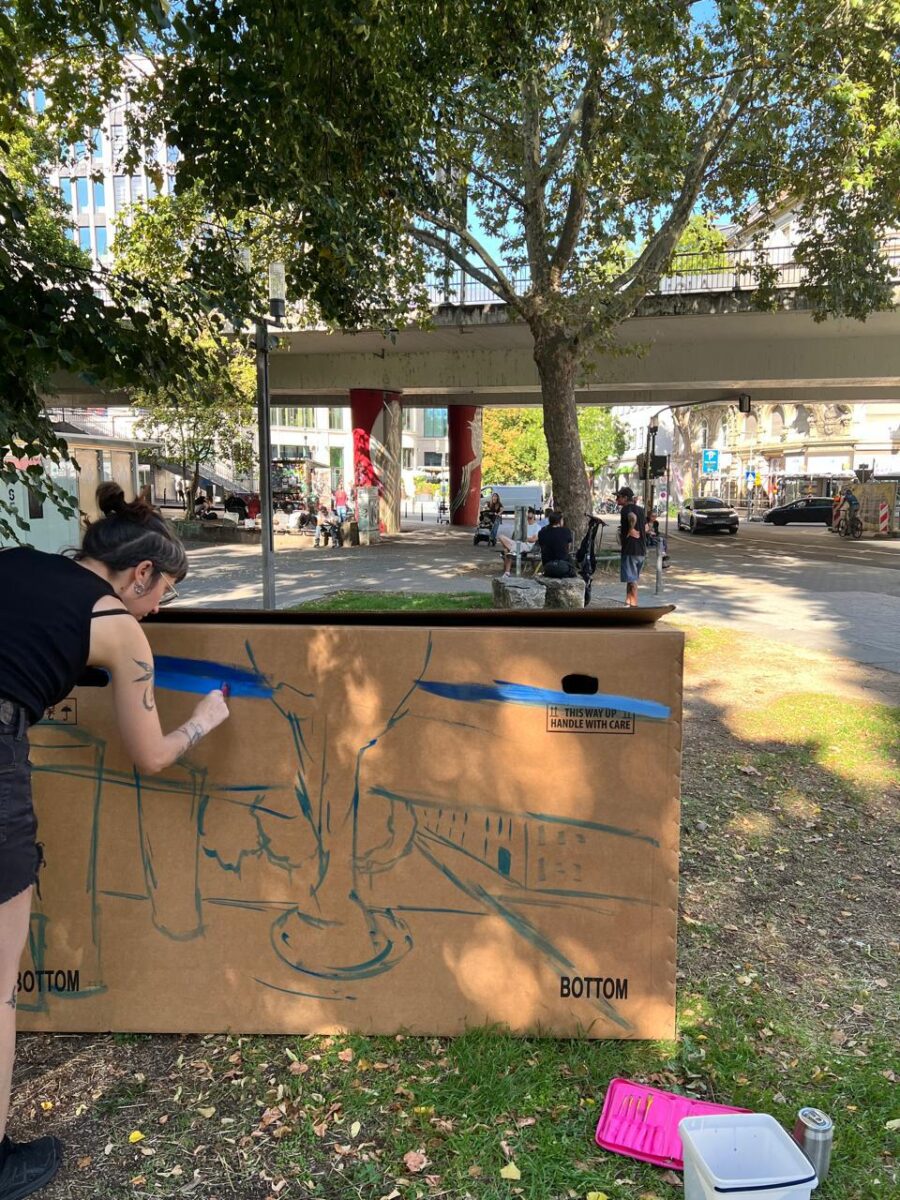
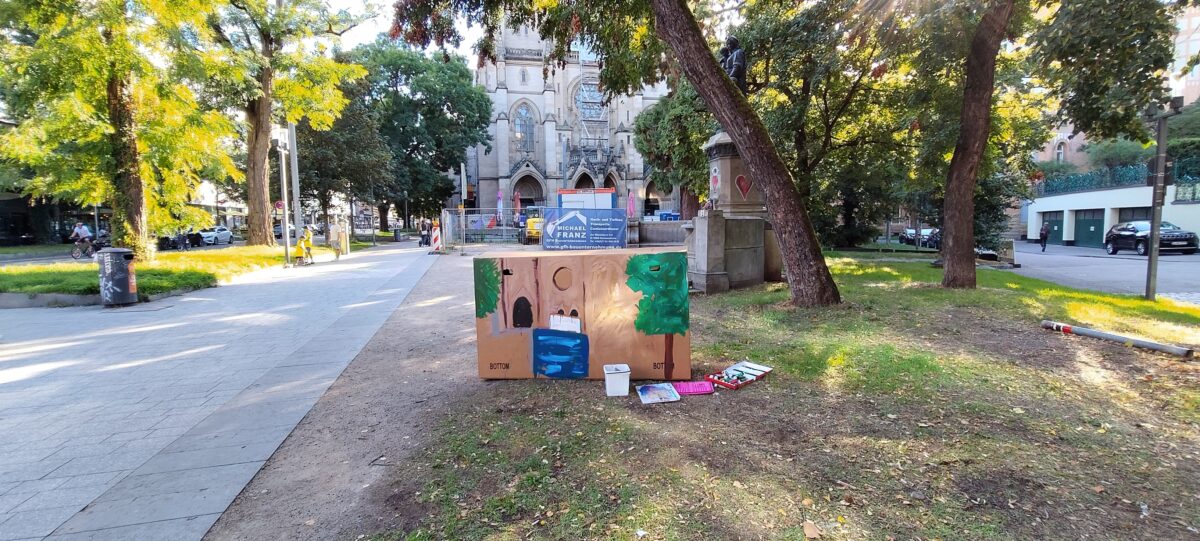
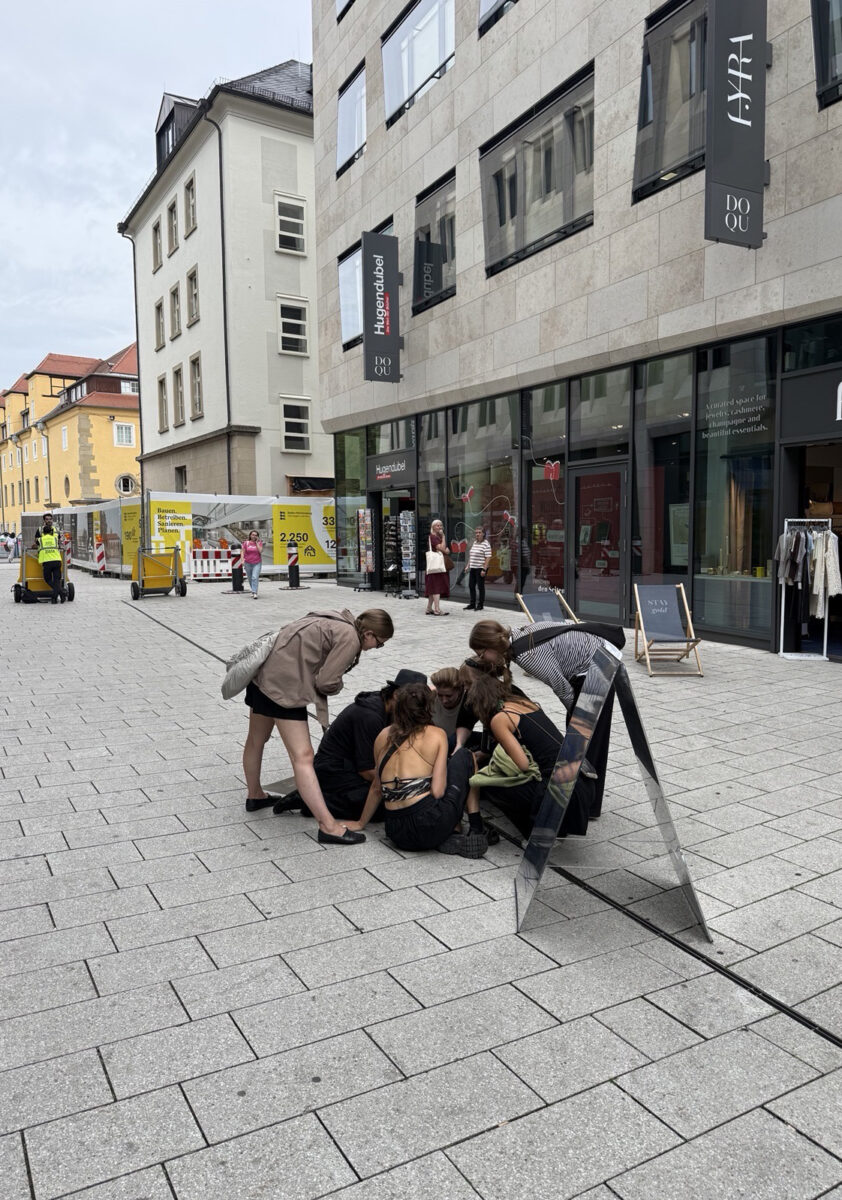
At Rupert-Mayer-Platz, underneath the Paulinenbrücke, the underground became less a hidden architectural system than an existing social space. Rather than immediately asking how the site might be redesigned, InTENSIONal Glimpsefocused on the people already using it. Through conversations, painting, drawing, interviews, sidewalk chalk and a temporary nail studio, the group encountered neighbours, passers-by and communities that have shaped the place over time. The final installation combined maps, photographs, paintings, furniture and quotations. Instead of trying to resolve the tensions encountered at the site, the project allowed different experiences and interpretations of the place to remain alongside one another.
Developed by participants Rama Al Qodmani, Aimilia Antoniou, Iris Comanescu, Samuel Lew, Takieldin Sakr and Sahar Seyed Sadr
The Klett-Passage: Promises of Portals
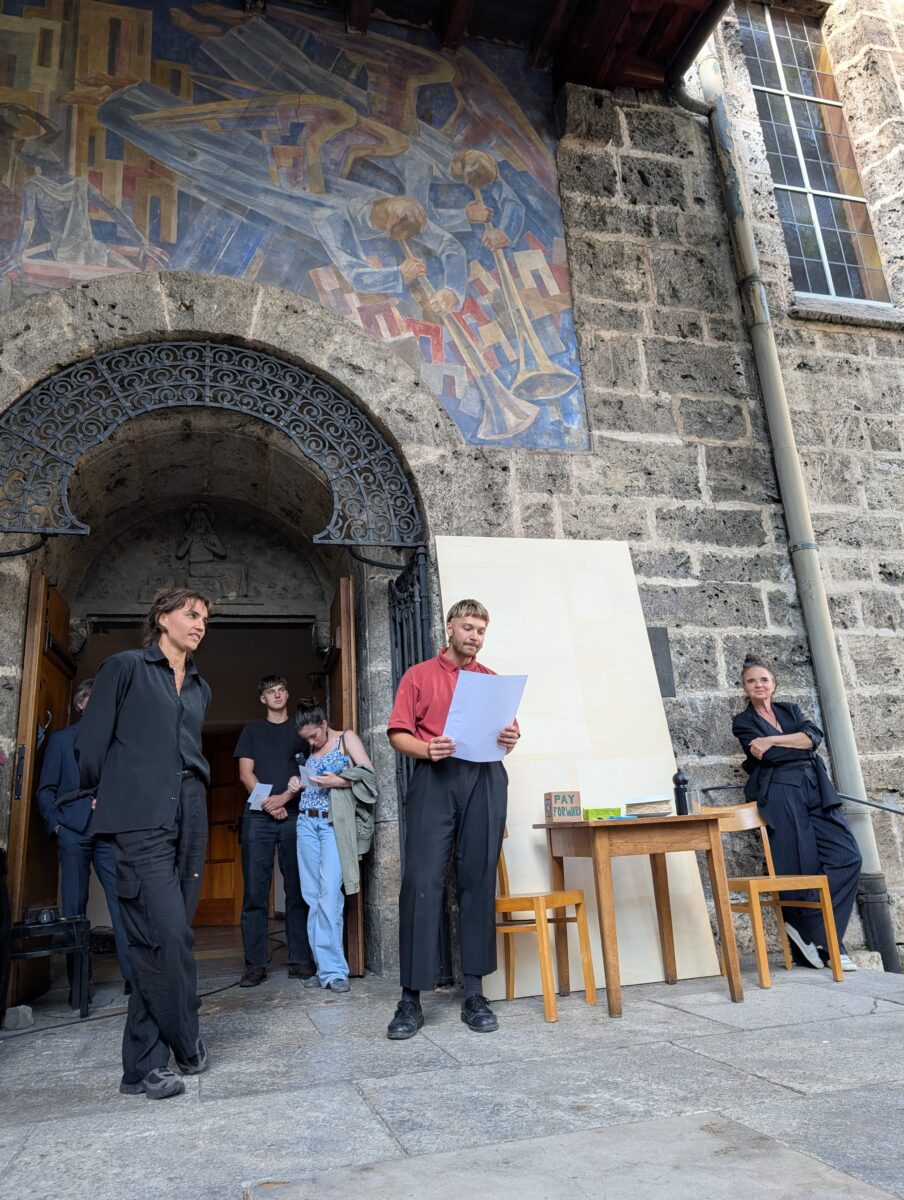
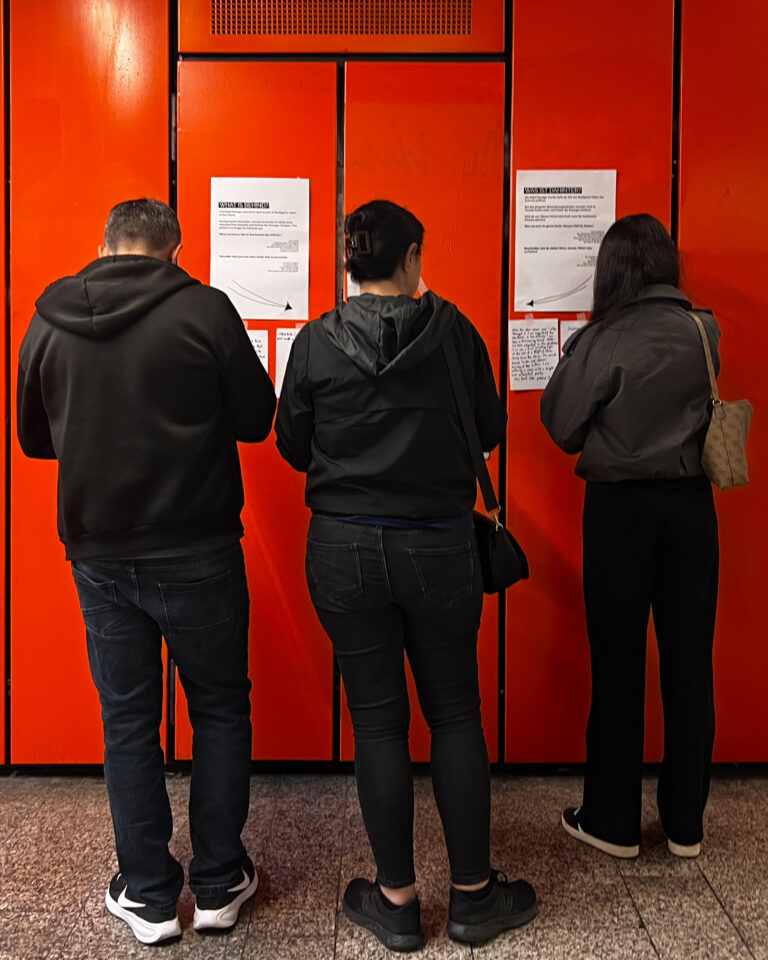
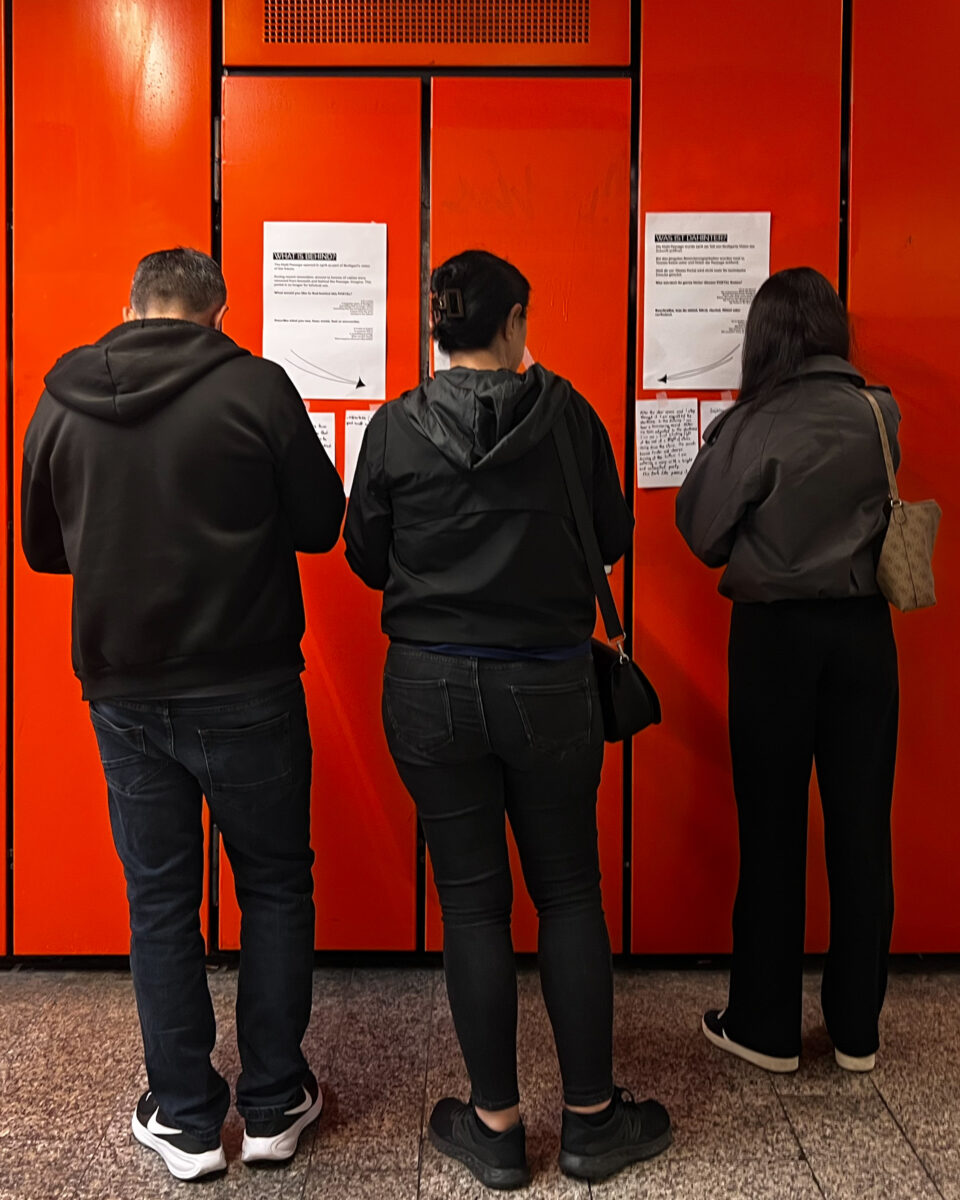
The Arnulf-Klett-Passage beneath Stuttgart’s main station became the starting point for an exploration of portals. Floor plans, observations and conversations revealed a complex underground environment shaped by mobility, infrastructure and changing uses. The portal became both an architectural threshold and an imaginative device: a boundary between what can and cannot be accessed, and between what is visible and what has to be imagined. Through manifestos, conversations, texts, sound and speculative scenarios, the group asked what might happen if closed doors were opened. Who would gain access? What new uses might emerge? And who would become responsible for these spaces?
Developed by participants Geraldine Santillana Armas, Vida Boogh, Ymane Hage, Johannes Haußer, Nicola Hostettler, Ionut Leahu and Thu Nguyen
Different ways of entering the city
Across the four projects, the underground became something different each time: a hidden spatial continuity, an overwritten history, a social territory or a portal towards something not yet known. What connected the projects was not the ambition to produce one complete reading of Stuttgart. Instead, participants developed different ways of entering the city: through its structures, histories, encounters, gaps and imaginaries.
The summer camp showed how artistic and spatial research can begin precisely where knowledge becomes incomplete. Rather than filling those gaps too quickly, they became places from which to observe more carefully, encounter others and imagine what might otherwise remain unseen. The work does not end with the camp. Several of the projects and questions that emerged in Stuttgart will be developed further by both students and teachers in the coming months. These reflections will come together in a publication, continuing the research beyond the two weeks in Stuttgart.
‘Our research group investigates the role artists, designers and cultural producers in general can play in developing the aesthetics and poetics of a desirable future.’
Sebastian Olma is professor Cultural and Creative Industries. He works for the Expertise Centre Art, Design and Technology.
‘As a result of my current research, I ask the students the questions “what is your work” and “what works for you.’
Rob Leijdekkers is a researcher at the Cultural and Creative Industries research group and a tutor at the Art & Research programme at St. Joost School of Art & Design.
‘Within my practice I create spaces for introspection while exploring ethical dilemmas. ’
In 2017, I graduated from St. Joost in Den Bosch, and I hold a Master’s in Applied Ethics from Utrecht University. Presently, I work as an artist, am an active member of the YAFF art collective, and concurrently serve as a lecturer.
The research group Cultural and Creative Industries investigates the role of artists and designers as creative innovators and drivers of social and economic change. Affiliated researchers analyse the cultural and creative industries from a critical point of view and examine the conditions under which timely forms of aesthetic expression and social connectedness can actually take place within the precarious reality of this field. What economic models are required by artists and designers to create a meaningful practice within the aesthetic, social, and economic intentions of the cultural and creative industries? What skills sets are required for those artists and designers who don’t just want to follow movements, but actually shape novel social and economic models of the future?