From intimate dialogue to global debate: CARADT researcher Risk Hazekamp presents research at two international conferences
In the span of just one week, CARADT researcher Risk Hazekamp presented their research at two very different international conferences, each offering a unique perspective on ecological thinking, artistic research and more-than-human relationships.
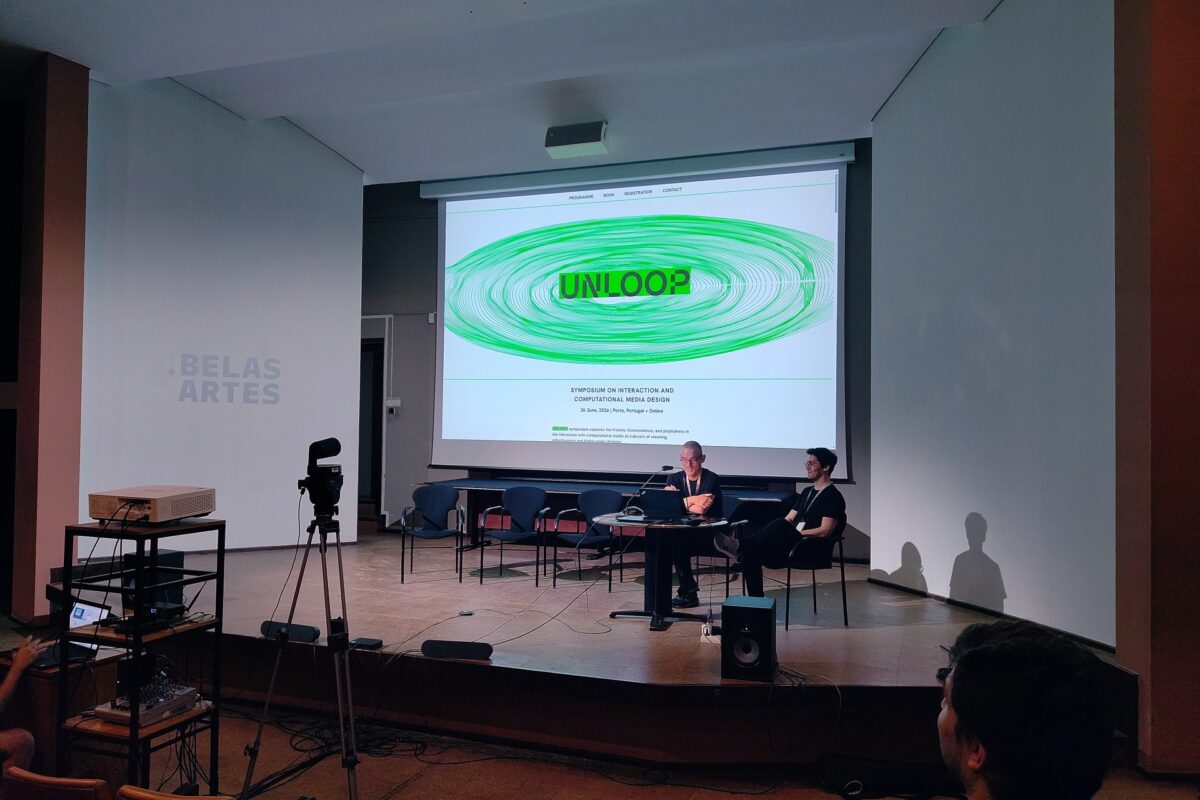
The first conference, UNLOOP, took place on 26 June at the Faculty of Fine Arts of the University of Porto. This intimate one-day symposium focused on Interaction and Computational Media Design. Together with Rosemary Lee, Risk presented Otherworldly Encounters: Wild Anecdotes on Interspecies Care.
Drawing on the work of philosopher María Puig de la Bellacasa, the presentation explored the often-overlooked complexities of care in BioArt and BioDesign. Rather than assuming that human intervention is always beneficial, the research questioned the blind spots and potential forms of “violent care” that can emerge in artistic and design practices. By asking why other species would choose to collaborate with humans, the presentation challenged human-centred perspectives and opened a conversation about more-than-human consent.
Only a few days later, Risk travelled to Barcelona for the five-day POLLEN Conference, one of the world’s largest gatherings in the field of political ecology. Bringing together more than 1,600 participants through over 200 panels, workshops and keynote lectures, the conference highlighted the growing international interest in ecological justice and environmental research.
Together with Zuleika Bibi Sheik, Risk presented Theorising with Water: An Artistic Practice of Refusal as part of the panel (Re)materialising the Political Ecology of Water from Majority-World Perspectives. Selected as the conference’s closing panel, the session received special attention through a live stream, conference-wide promotion and an extended programme.
Their presentation explored different relationships with water through artistic research, combining images and text to reflect on diverse positionalities and kinships with water. By bringing together artistic practice and political ecology, the research invited audiences to reconsider dominant narratives about environmental relationships and knowledge production.
Together, these two conferences demonstrate how artistic research can contribute to international conversations on ecology, care and more-than-human futures, while connecting critical theory with creative practice across disciplines.
Unlearning Photography: Listening to Cyanobacteria
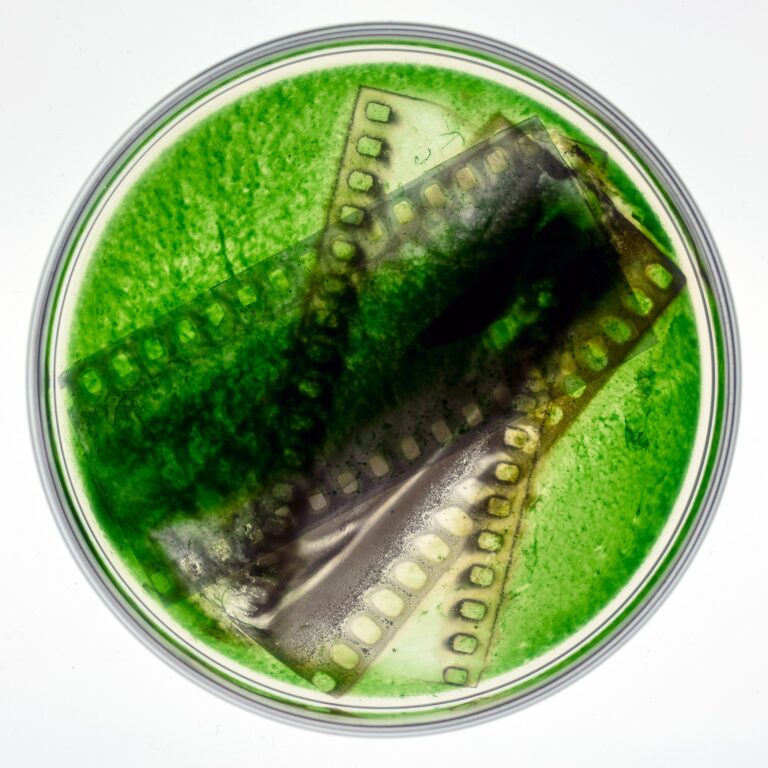
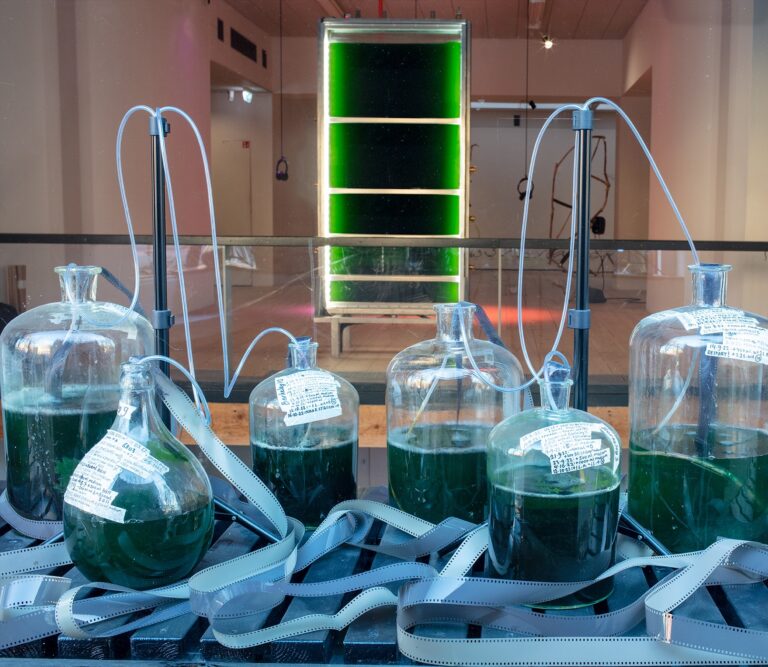
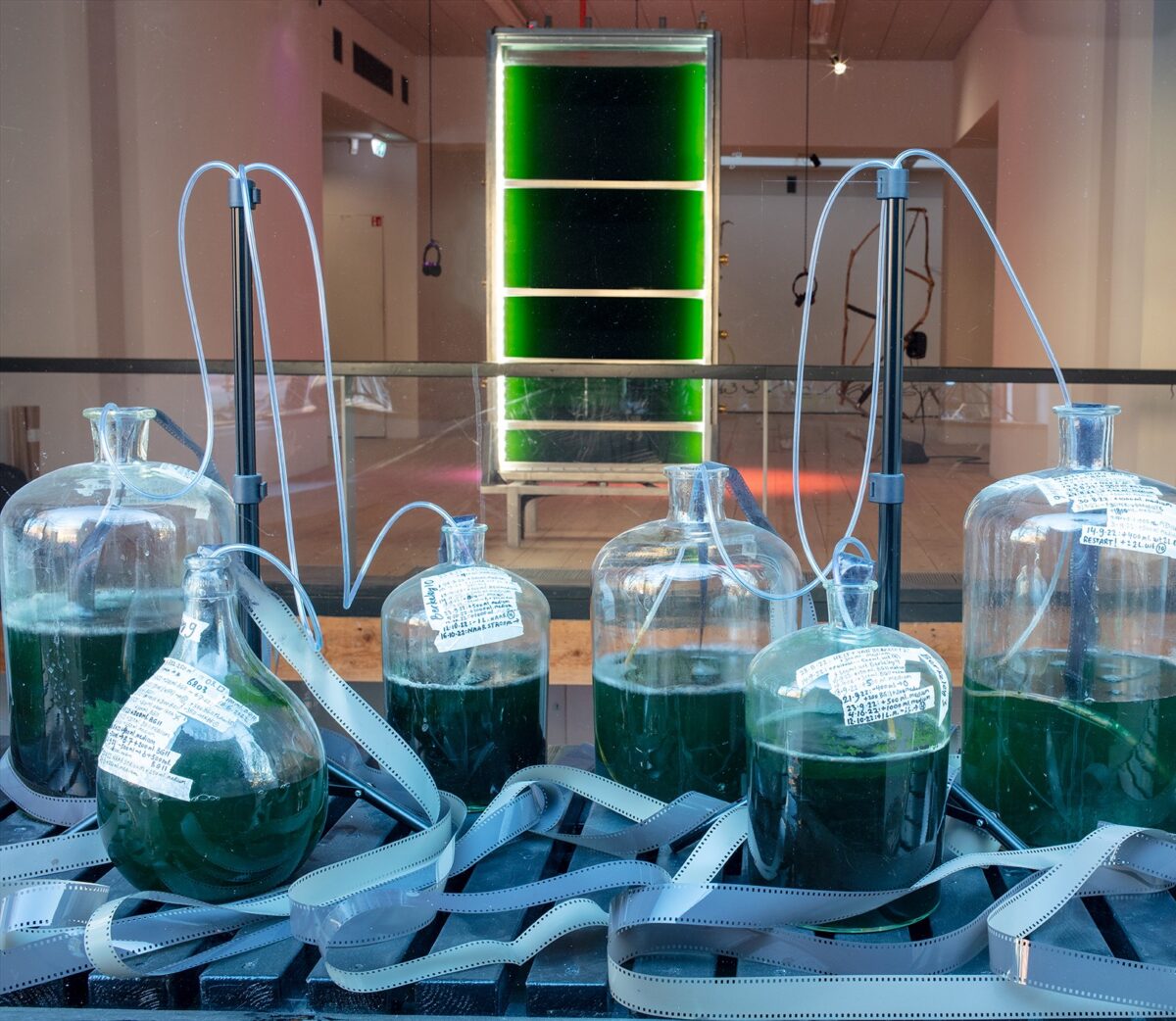
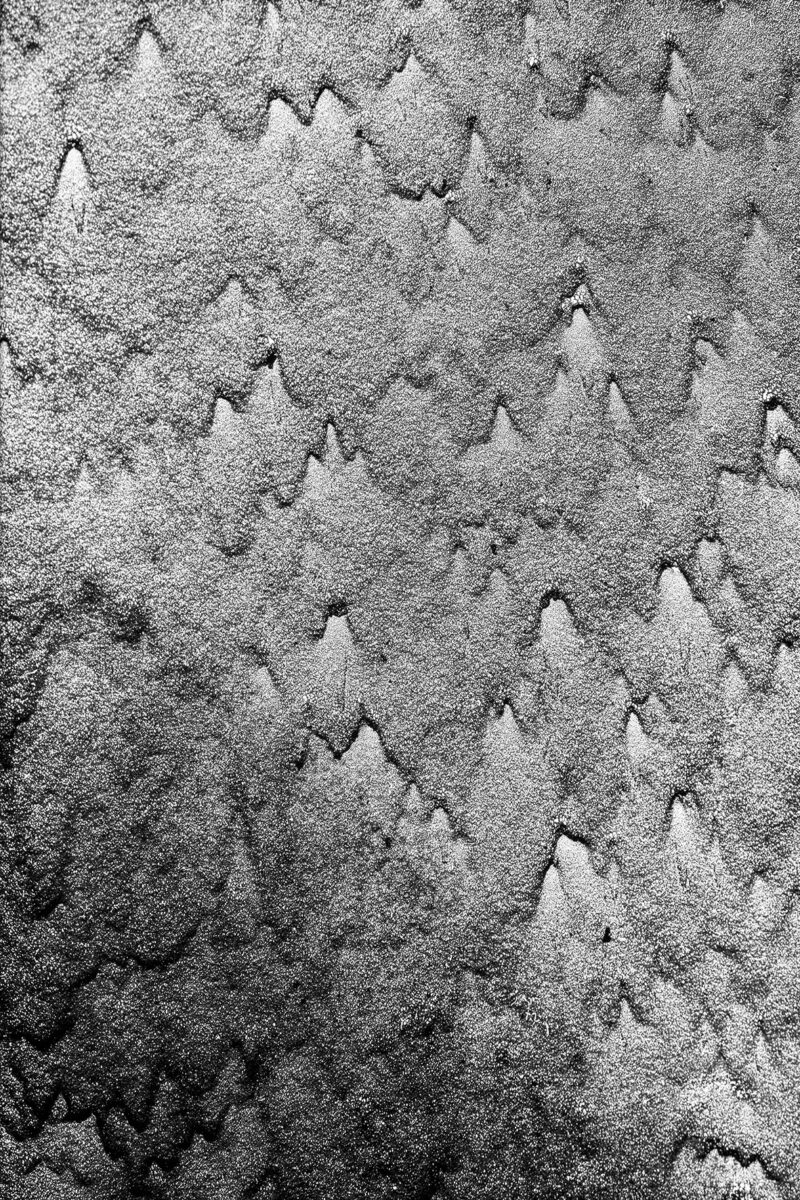
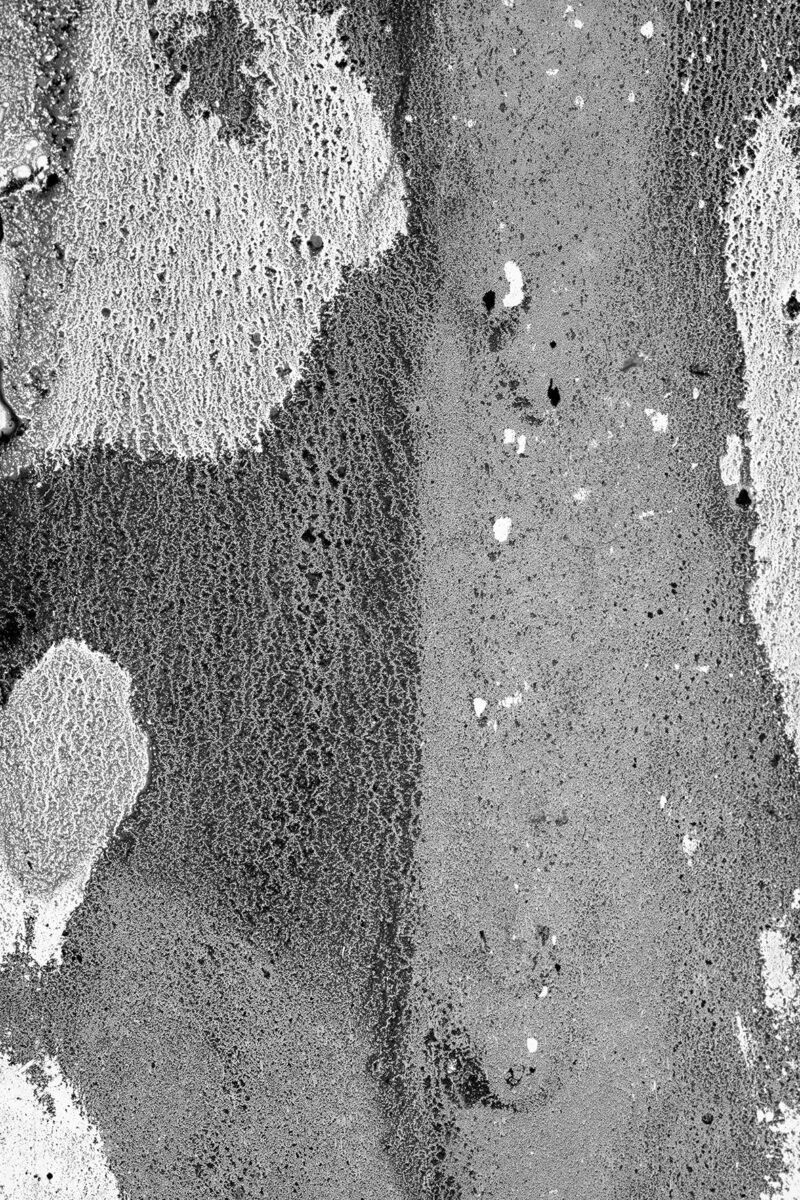
Risk Hazekamp, researcher from the Regenerative Art and Design group (previously the Biobased Art and Design group, 2018-2024) has received funding from Regieorgaan SIA for their PD project – Unlearning Photography: Listening to Cyanobacteria.
‘It is through the “not-knowing” that a stimulating and caring environment can be created to confidently share vulnerability.’
Risk Hazekamp is researcher in the Regenerative Art and Design research group at CARADT, the Art & Sustainability research group of the Research Centre Art & Society (Hanze) and the Centre of Design Research for Regenerative Material Ecologies (DREAM) at the Technical University Delft.
The Regenerative Art and Design (RAD) research group seeks to contribute to a new generation of regenerative designers and artists who address the pressing need for transitions that support planetary health. By taking whole systems responsibility through collaborative practices, the group aims to create transformative pathways for reimagining design futures grounded in care and ecological integrity.