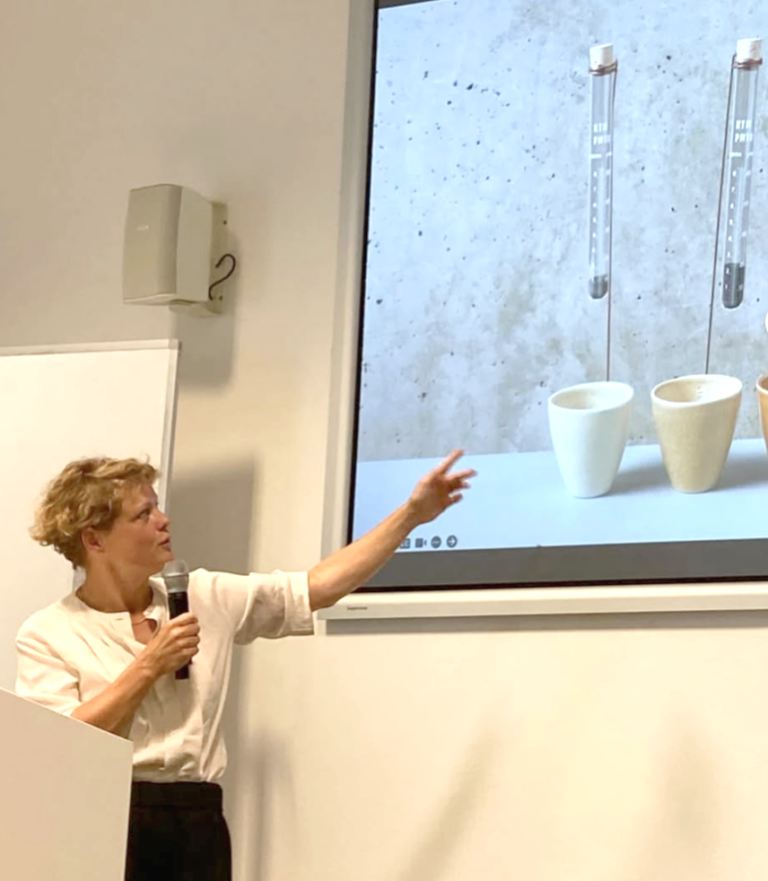
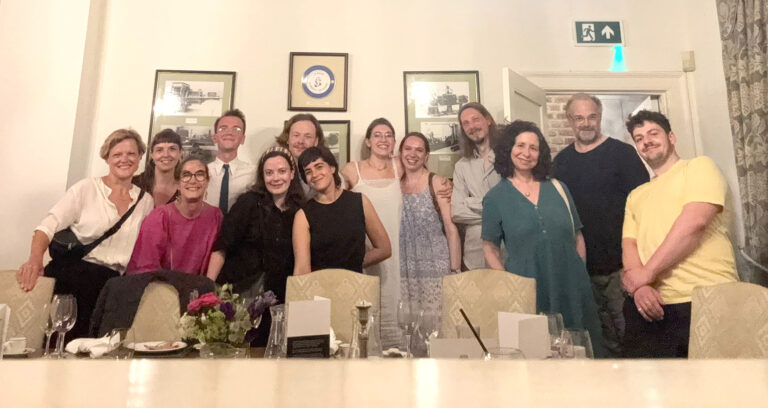
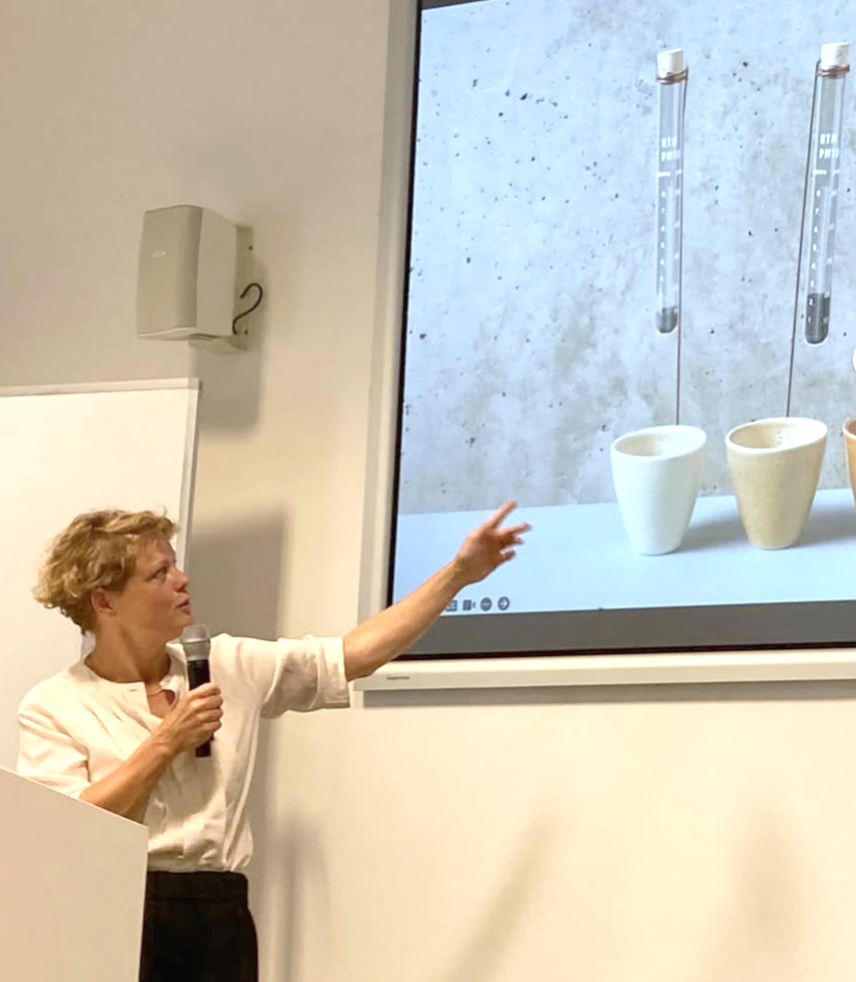
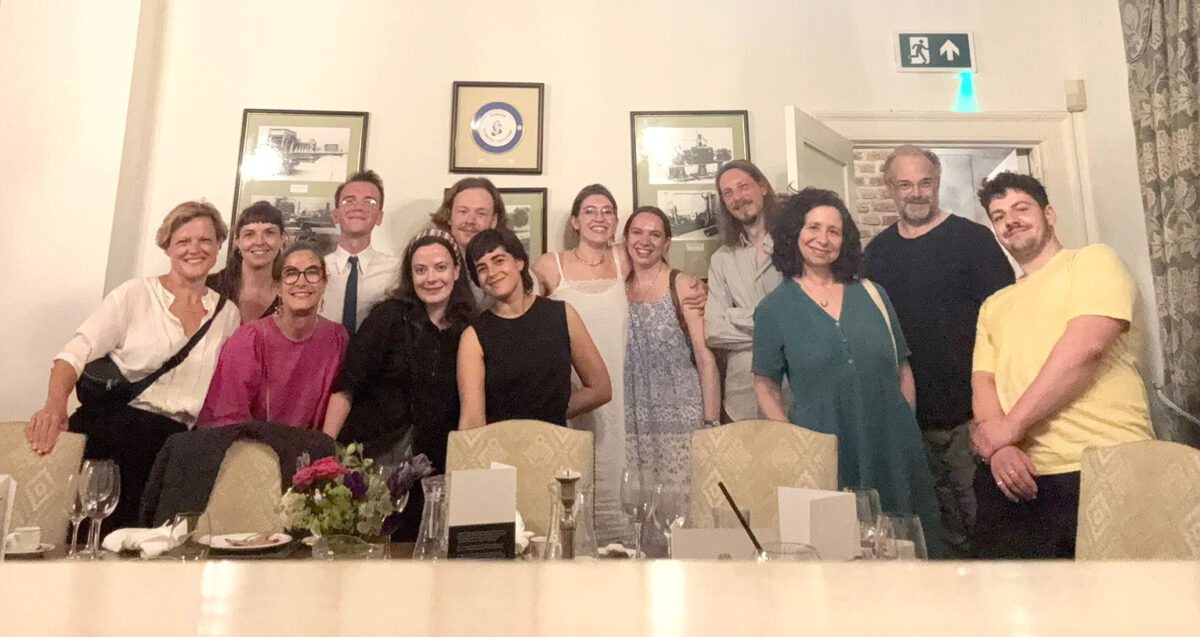
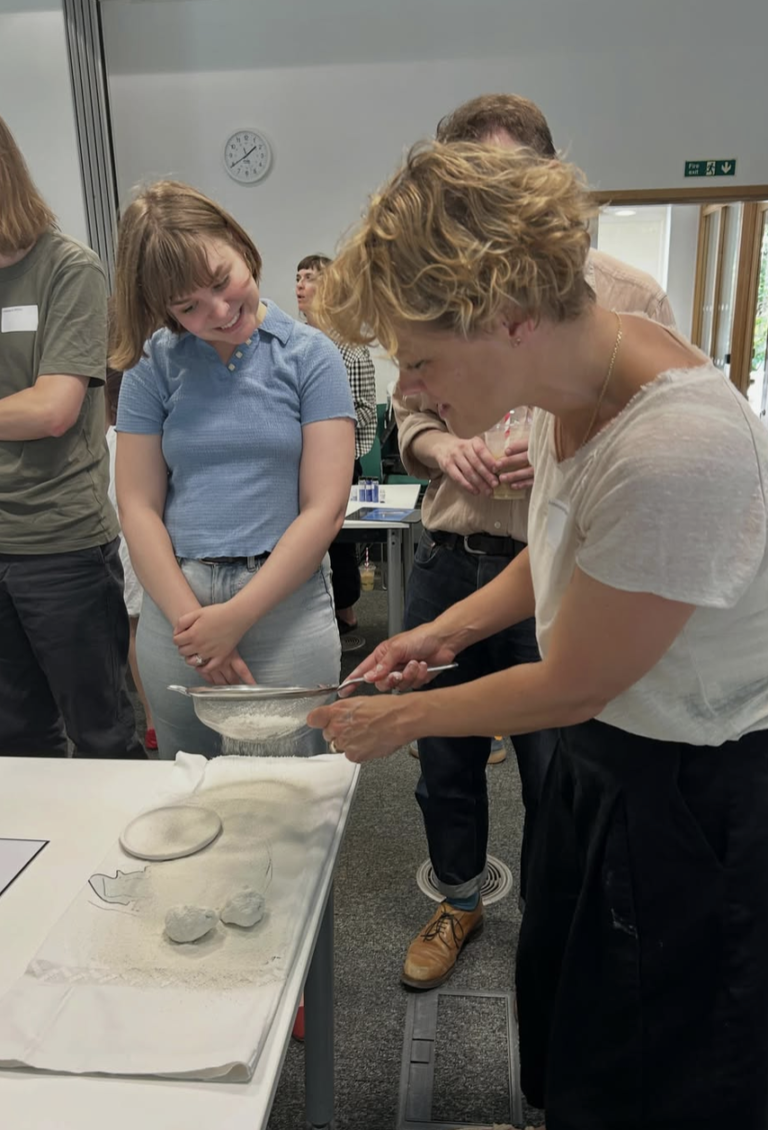
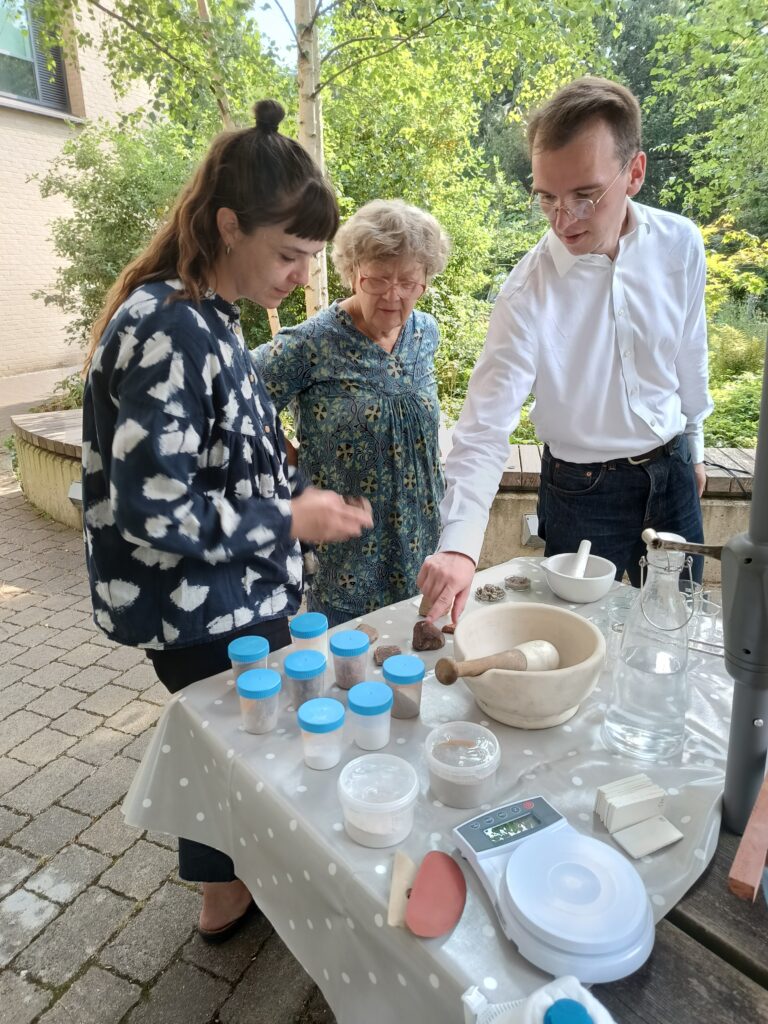
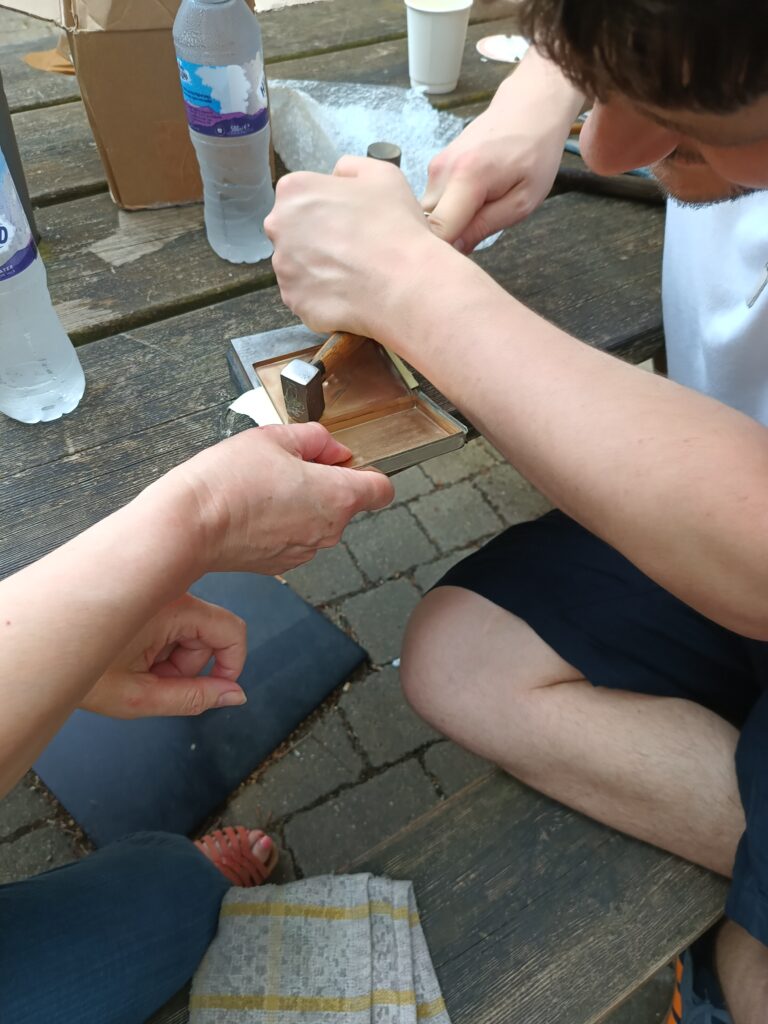
CARADT researcher and PhD candidate at LUCA School of Arts Annemarie Piscaer presented her research at the interdisciplinary symposium ‘Holding it Together’ at the University of Cambridge and contributed an article to the material research platform Mater. Both contributions explore how engaging with materials can generate knowledge, reveal hidden relationships and open up conversations about our changing environments.
Interdisciplinary symposium ‘Holding it Together’ at Cambrigde University
presented Holding It Together: Through Dust, Bodies, and Environments—Design Approaches to Situated Material Engagement at the interdisciplinary symposium ‘Holding it Together: Making, Maintaining and Mending from the Early Modern to the Present’. The two-day symposium was held on 25–26 June 2026 at the Cambridge University Centre for Research in the Arts, Social Sciences and Humanities (CRASSH) and brought together scholars, artists and makers to explore how ideas of lastingness shaped making, maintaining and mending. Combining historical perspectives with contemporary practice, the symposium aimed to develop new concepts of endurance and create research connections between scholars, artists and makers in the Netherlands (JUST ART Consortium) and the Cambridge research environment.
Rather than considering the artefact as an endpoint, Piscaer explored what holds things together through making, and how making connects materials, bodies and environments.
More information about the symposium: Holding it Together: Making, Maintaining and Mending from the Early Modern to the Present
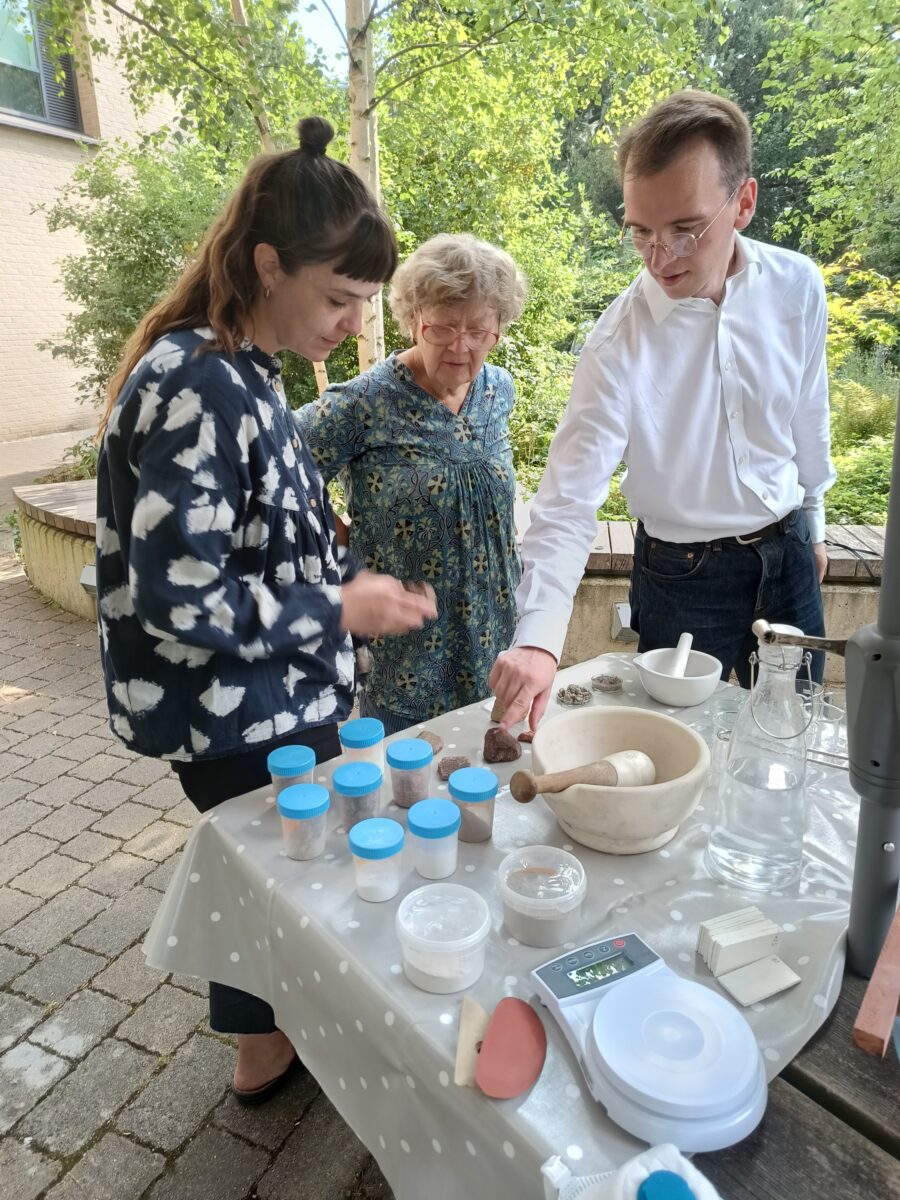
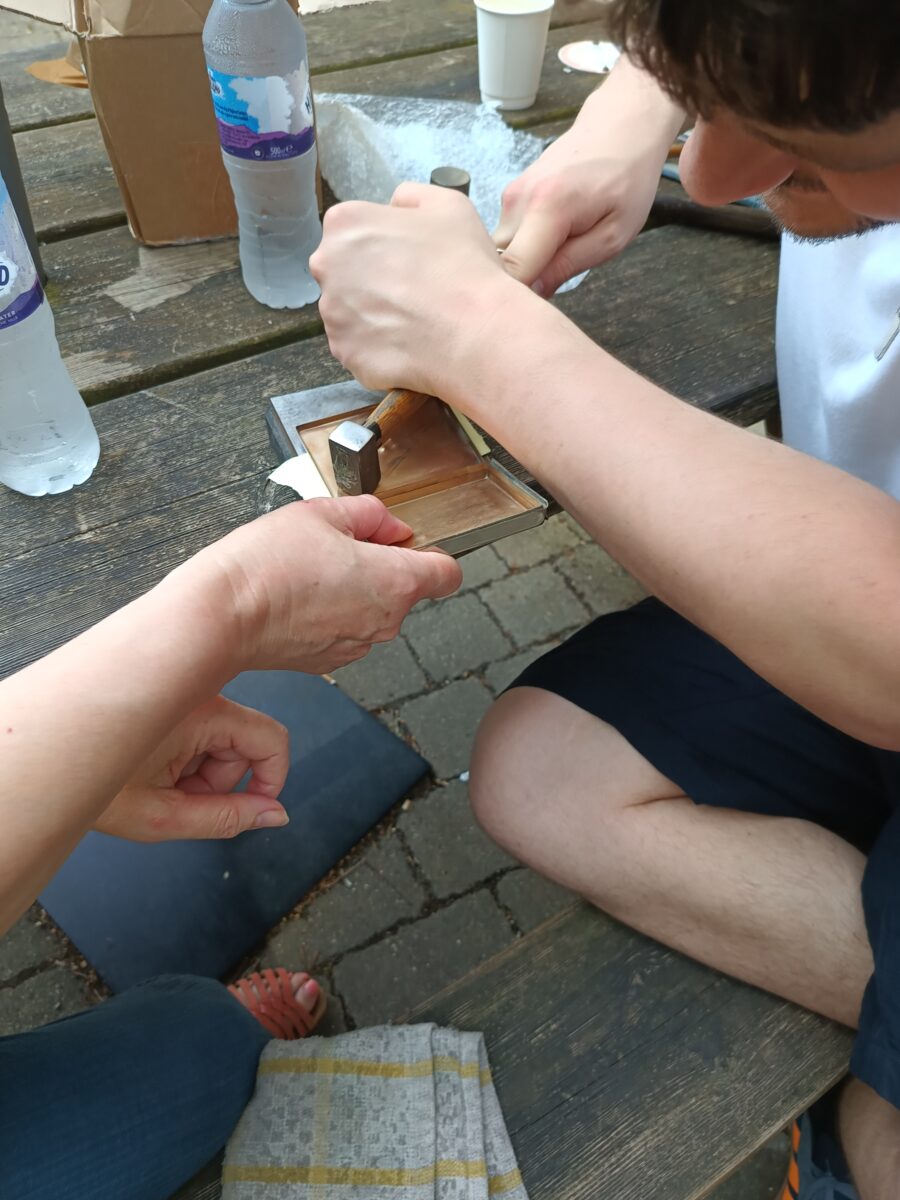
Through projects such as Lab AIR’s Smogware, which materialises air pollution through ceramic tableware, and My Backyard, which examines the histories of clay extraction and landscape transformation in Piscaer’s hometown of Tegelen, she develops a situated design approach. Other projects include The Dust Cabinet, a collection of dust samples accompanied by historical narratives on dust, and ON AIR: Nitrogen, an ongoing study of dust, air, mining histories and nitrogen pollution in the Hoge Kempen in Belgium.
In this situated design approach, materials become narrative instruments for making invisible phenomena and complex socio-material systems tangible. These projects invite people to reconsider their relationship with materials and the environments they inhabit. It demonstrates how artistic research can contribute to understanding and discussing complex ecological challenges.
Central to this situated design approach is “airing”, which is defined as both allowing air to pass through and making concerns and ideas publicly known. This approach shifts the focus from making things as isolated objects towards engaging with materials and their situated contexts. Her paper proposes lastingness not as permanence in objects, but as an ongoing process of making, maintaining and transforming through which materials, bodies and environments are held together.
“Airing” as a situated design practice in the publication for Mater
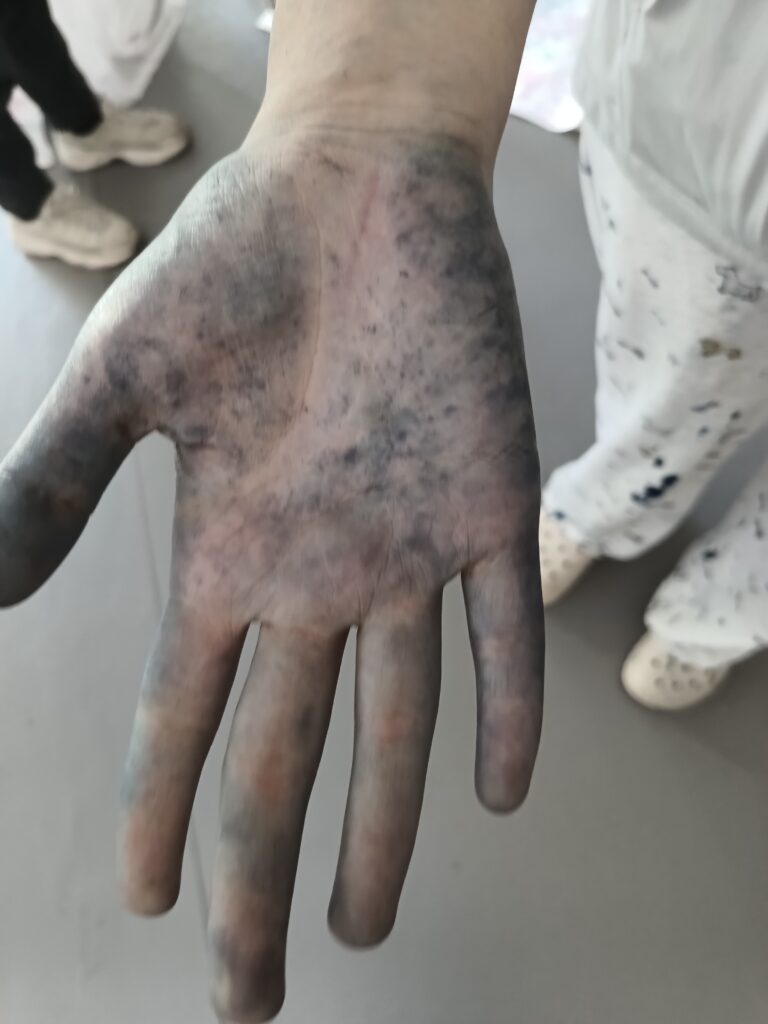
In the publication Airing Ideas Through Matter for Mater, a platform for material research and interdisciplinary perspectives, Piscaer further develops “airing” as a situated design practice. Drawing on her longstanding fascination with dust, she explores air as an invisible yet materially present substance that connects bodies, materials and environments. Alongside Smogware, the publication discusses Lux(ury) of Air, an educational project that invites participants to understand air through close sensory observation and material engagement. Together, these projects demonstrate how materials can become active participants in processes of knowledge-making— making known or, put differently, on airing ideas through matter.