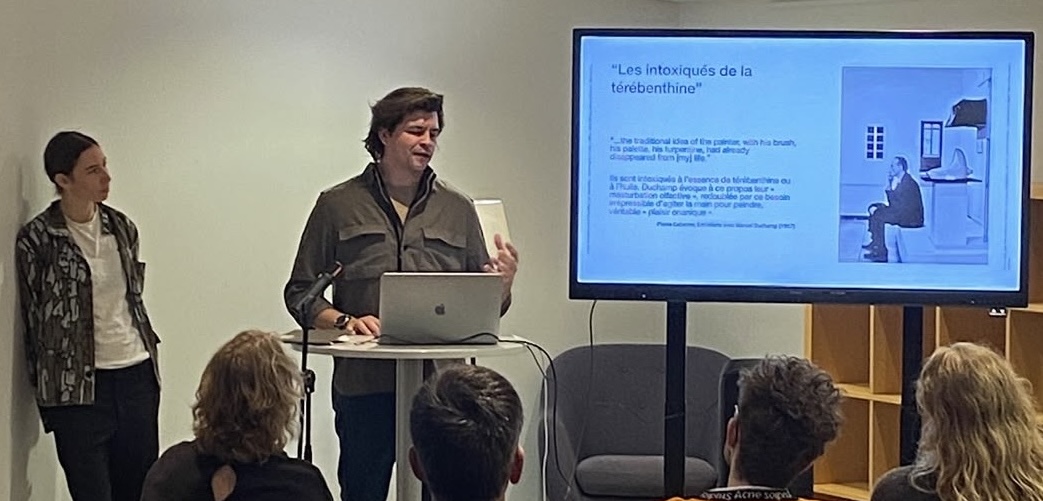
Professor Delfina Fantini van Ditmar and RAD researcher Hugo Garcia had the opportunity to present “Tree Pourings: Sensing the Forest Through Resin” at the Hugarflug Conference on Artistic Research at the Iceland University of the Arts
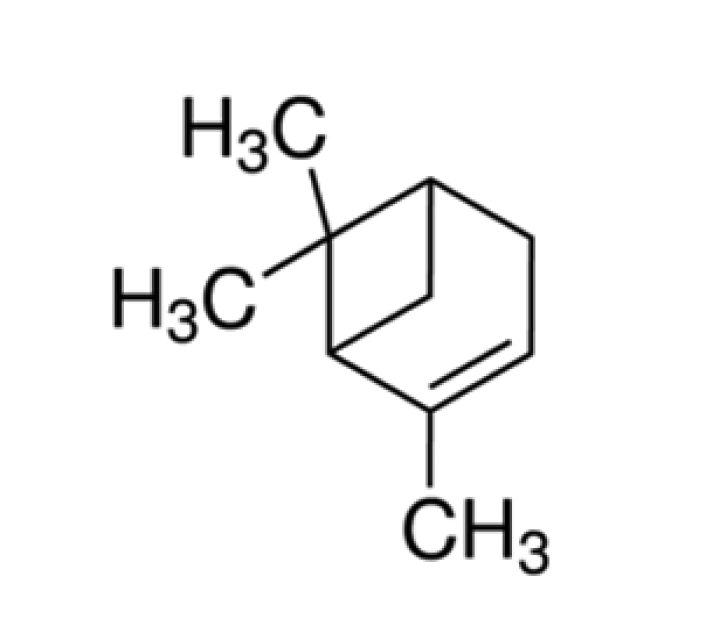
In Mediterranean pine forests, the distinctive smell comes in large part from volatile terpenes, composed predominantly of compounds such as α-pinene. As part of the forest’s ecological chemistry, these volatile compounds connect the forest to our senses and have historically permeated into everyday materials and practices.
Turpentine, the distilled volatile fraction of pine resin, also played an important role in the history of oil painting, where it became an essential material for thinning and working with paints, cleaning brushes, and handling pigments. With Marcel Duchamp’s Les Intoxiqués de la térébenthine (The Turpentine Intoxicated), this established relationship between turpentine and painting takes a conceptual turn: turpentine moves from being a functional material within the painter’s practice to becoming a subject and a means of questioning the conventions of painting itself.
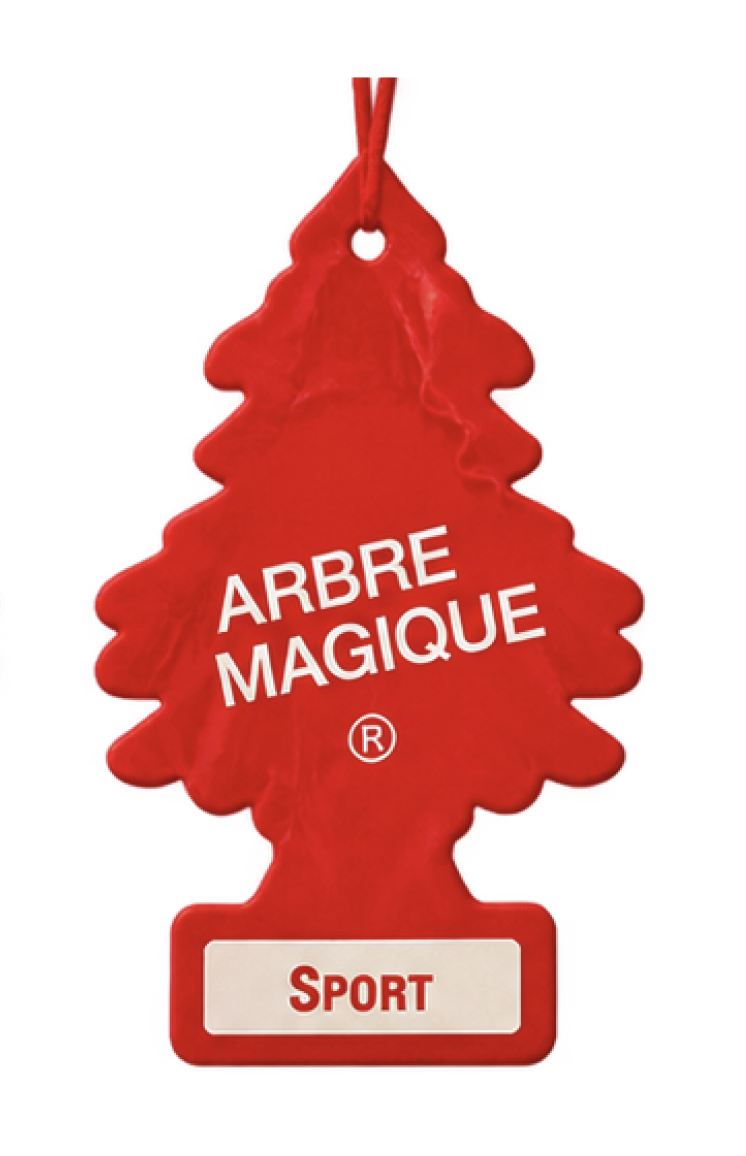
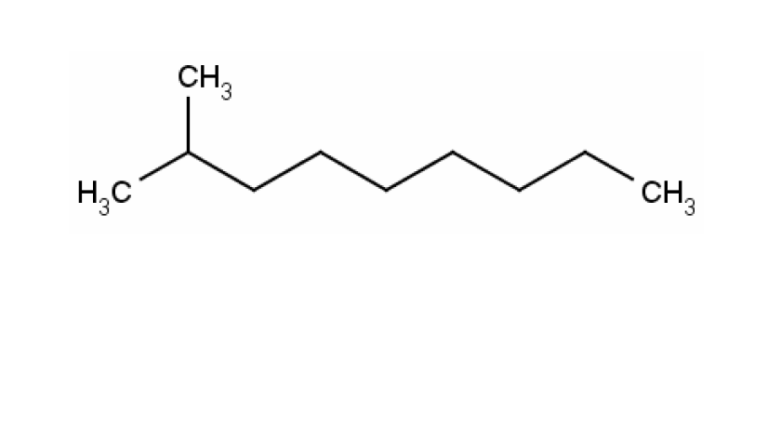
The lecture traced the history of turpentine from its origins as a material harvested from trees to its gradual transformation into a substance increasingly derived from fossil fuels (white spirit) and the growing market of pine scented synthetic cleaners and tree shaped odour fresheners. We explored not only this material and cultural history, but also the molecular shift from naturally derived turpentine to petroleum-derived solvents and what this transformation tells us about our changing relationship with forests and materials.
The presentation also included a sensorial experience of turpentine alongside artificial pine, inviting participants to encounter and compare the changing material and olfactory relationships between forests, resin, and synthetic substitutes.
Through practice-based design experimentation with resin in the forest, the project invites us to reconsider our relationship with forests and natural materials, and to rethink biomateriality and the value chains through which natural materials are extracted, transformed, and valued.
Hugarflug Conference 2026: Tree Pourings: Sensing the Forest Through Resin