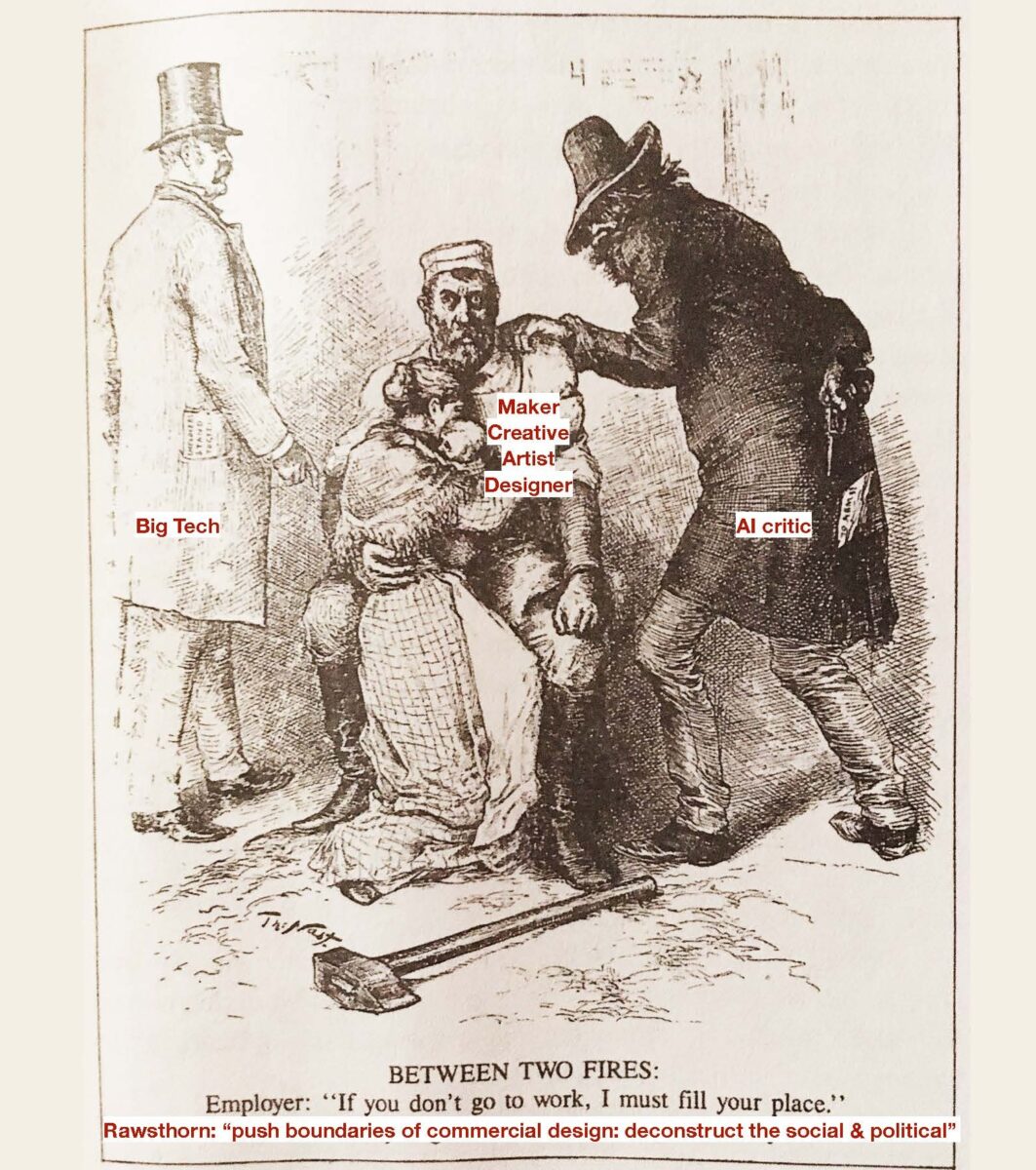
Designers and artists are constantly confronted with ever new disruptive branding styles, hyped big tech applications, a world of post-ironic brain–rot memes and glitchy visuals, and the occasional patchy alternative configurations. It is not easy to engage in more substantial subversive creative strategies or actual rethinking of current AI systems and tech environments. Still there is a broad interest in art and design, and broader research, to critically engage with taxonomies, datasets, infrastructures of alternative “intelligent” systems.
So how to more substantially challenge current AI and its conceptual premises? How to interrupt the current hype of ever more clever tech applications and AI generated work and learn about contemporary alternatives? Would it be possible to capture this in an actual creative method?
CARADT researcher Eke Rebergen recently offered some answers during two different academic conferences and in a blog post for the Institute of Network Cultures.
GenAI & Creative Practices
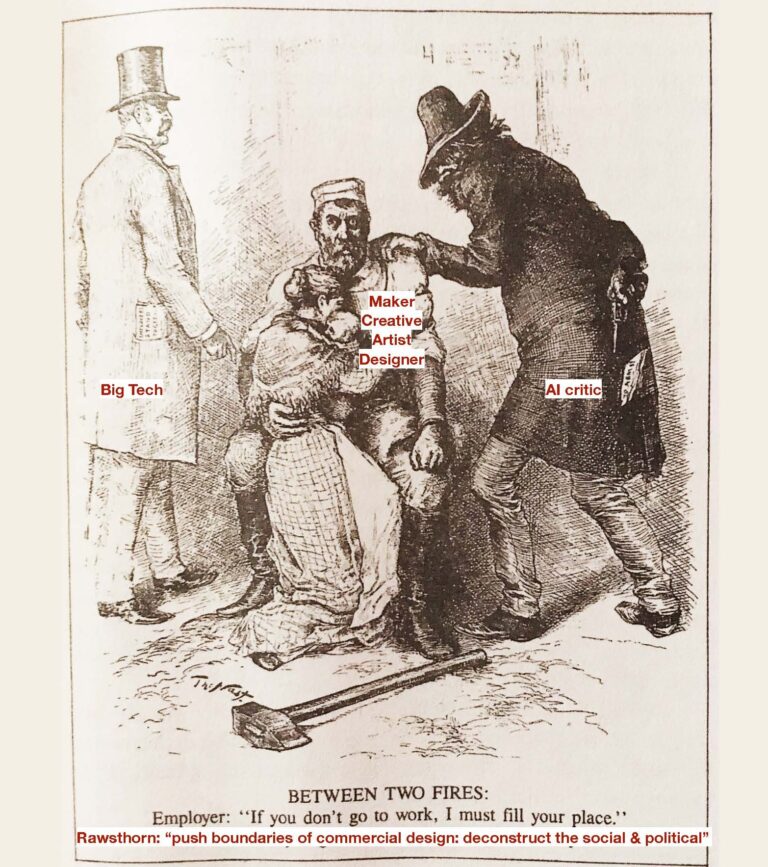
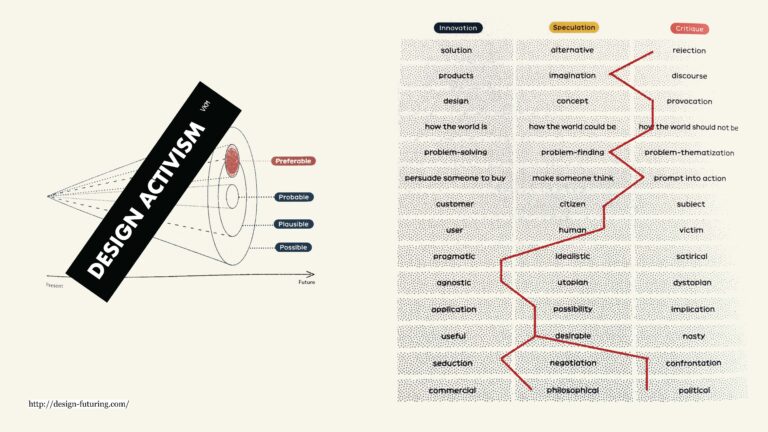
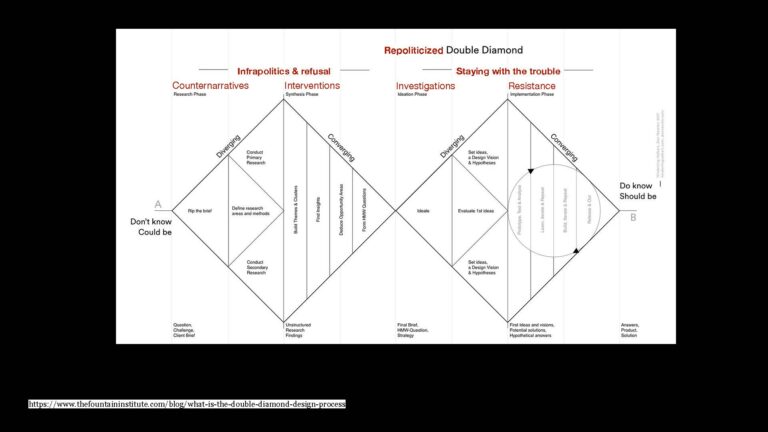
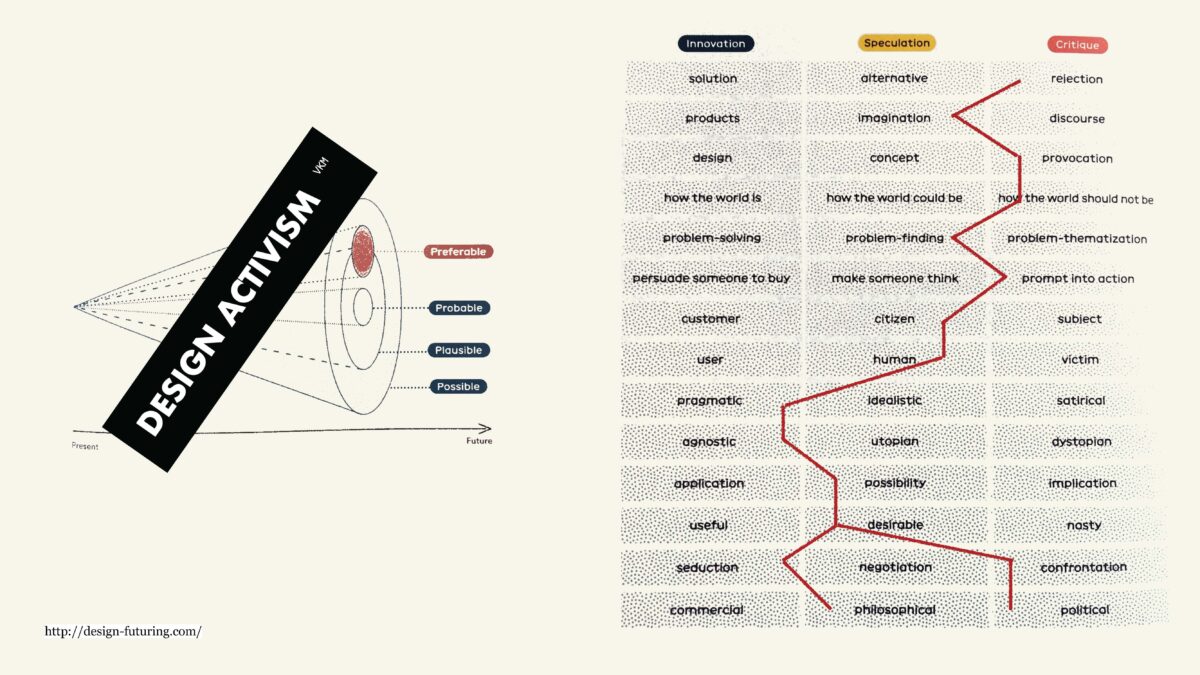
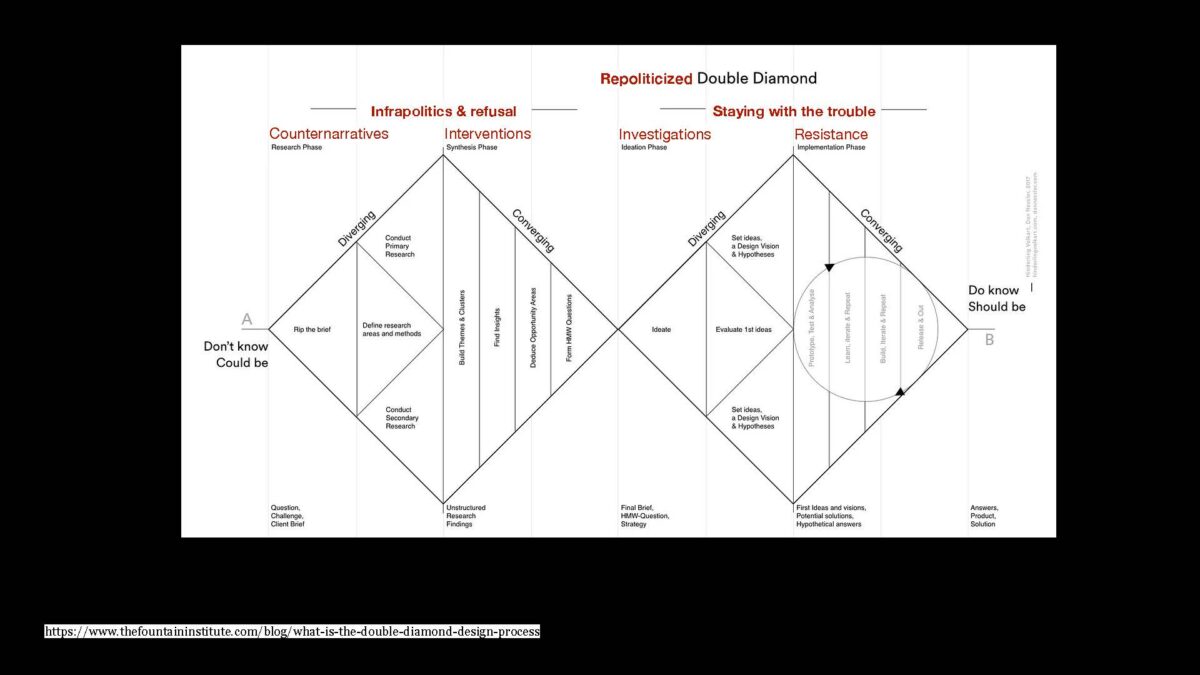
During the GenAI & Creative Practices conference at the University of Amsterdam (https://rdtconference.uva.nl/  Eke presented some developed reconfigurations of common creative methods. For example a politicized version of the often-used double diamond method, or an updated ViP method (originally developed at TUDelft), where now radical politics informs the important context statement. Also, more speculative approaches were reoriented to become suitable for more activist inclined counter experimentation. Even the famous Bauhaus model was revisited for engaged design education in the face of algorithmic governance.
Making use of the lineage of the Situationist practice, we could call these reorientations and adaptions “détournments” of design models. These might not just be instrumental in shaping an actual contemporary field of creative interruption and (design)research but can also point towards other collaborations and interdisciplinary research combining (radical) philosophy, cultural studies and design theory.
In the ‘Design Activism’ elective project (vrije keuze module) at Avans around 35 students will experiment with some of these methods. The results will be presented in April 2026 at the Onderwijsboulevard in ‘s-Hertogenbosch (so get in contact if you would like to join!)
Interrupting Codes and Identities: Exhibition Review
Further creative work in this direction could benefit from current renewed attention for artistic experiments and subversive creative strategies. Like Eke’s review of the last exhibition of Platform POST in Arnhem shows, nowadays surrealist and queer lineages resurface in creative experiments with technology. Understanding what earlier creative disruption and challenging of dominant codes and identities entailed, we can take current creative experimentation with encryption and glitching towards new collective reimagination and the development of political alternatives.
The works exhibited as POST can be seen as some preliminary work in this direction, “as the works seem to revive interesting lineages of performative experimentation and artistic interventionism for current algorithmic society.” Additional collaborations and exchange around these cutting-edge creative projects are being developed as part of CARADT research.
Arendt Workshop 2025
It seems more important than ever to get beyond the usual references and criticism and make sure at Avans we are open for diverse perspectives and ideas.
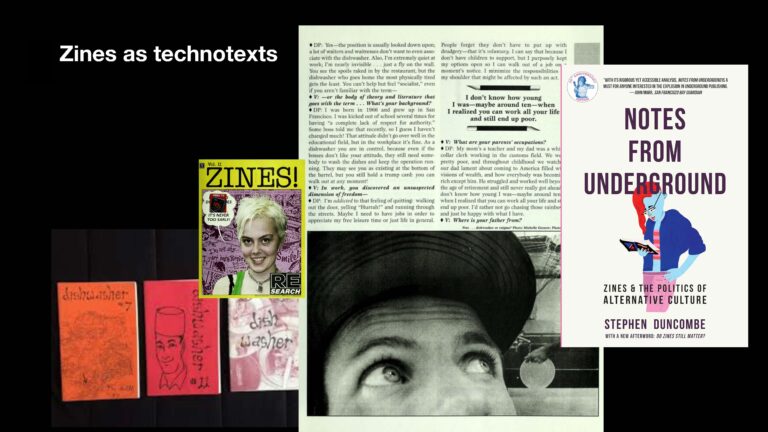
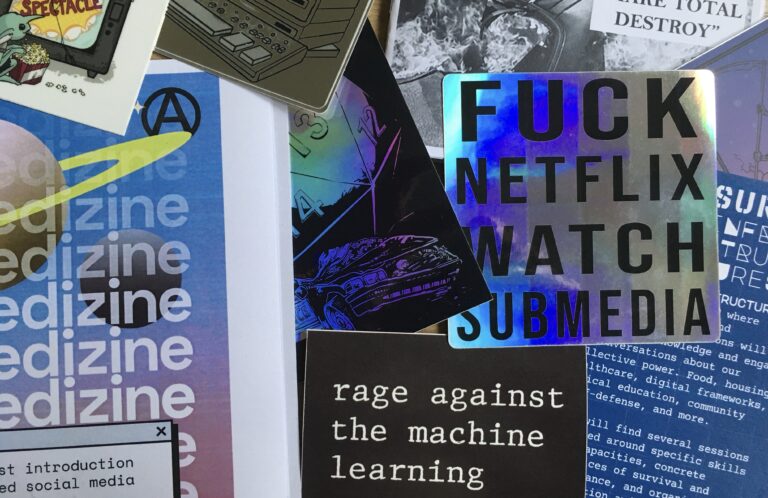
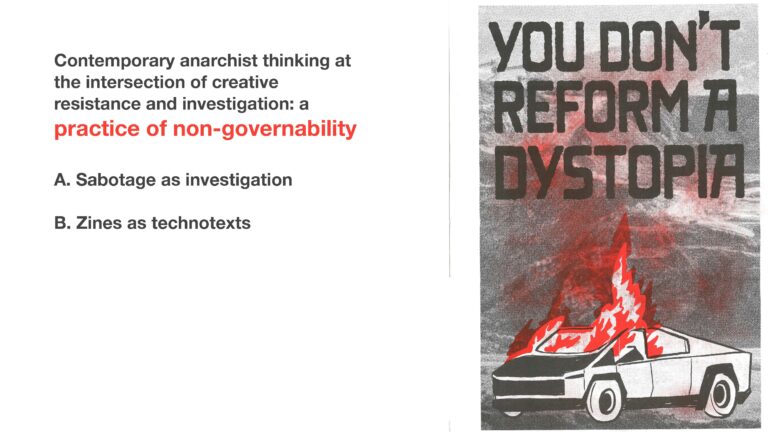
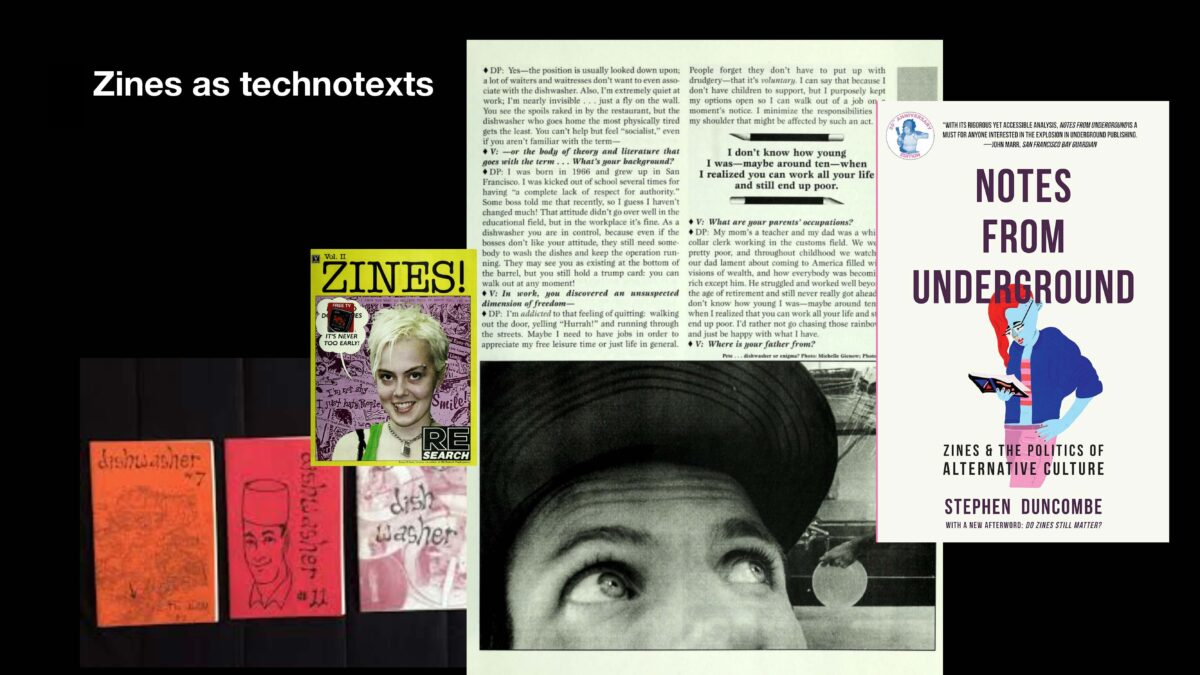
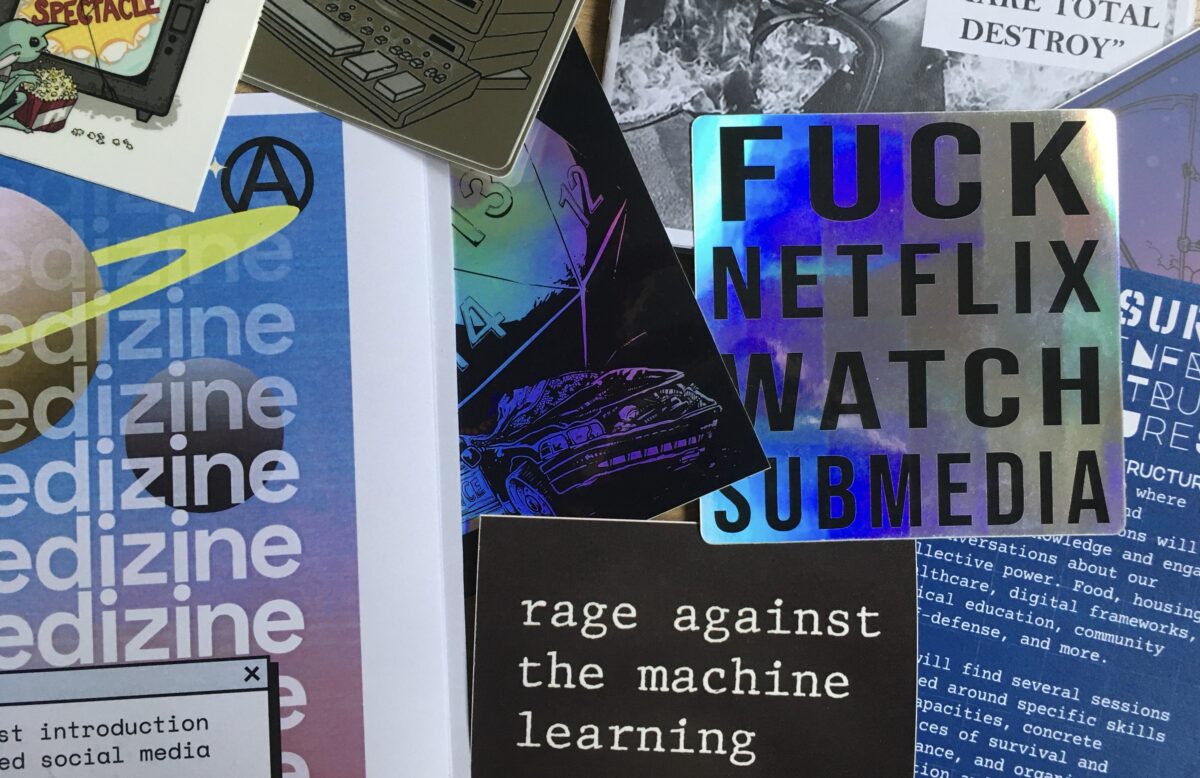
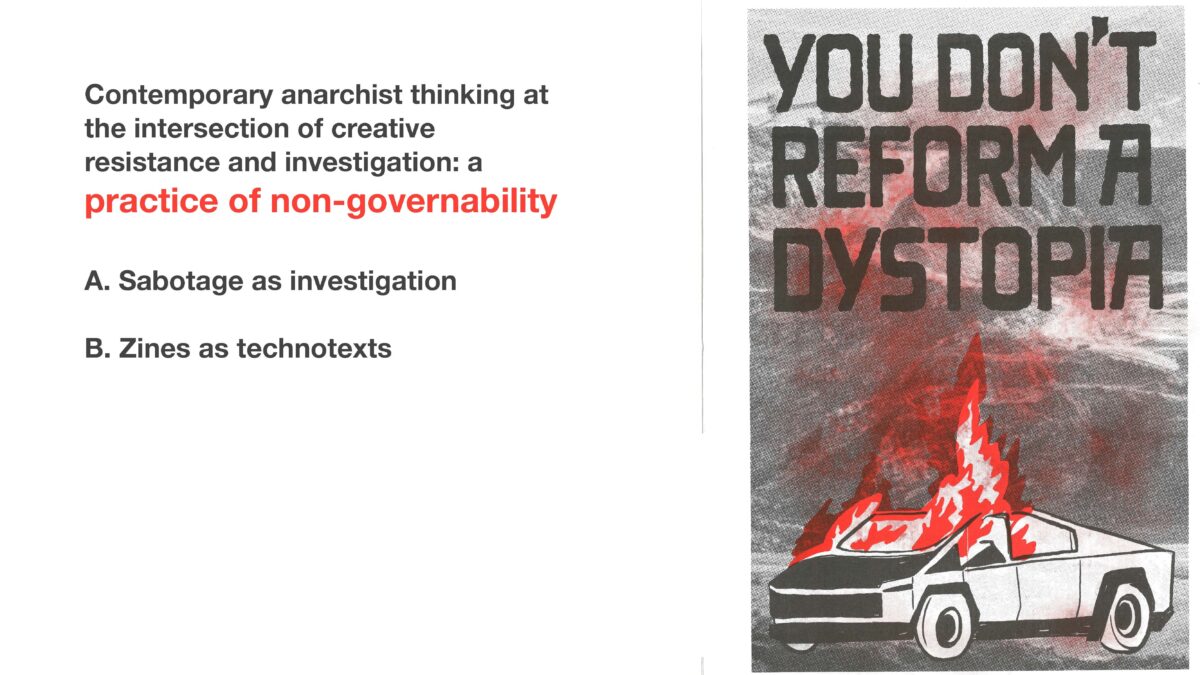
Instead of the usual AI ethics and reflections, why don’t we look at anarchist zines that are calling for creative resistance and investigation and set the tone for some brave experimentation? They resolutely confront powerful military industries, corporate investments, colonial histories, ecological destruction, and above all challenge the tightening social control by policing technologies. Often these zines combine a comprehensive list of previous direct actions, pointed explanations of theoretical concepts, while making a case for further subversions and critical research. Minimalistic by design, quick to read and cheap to make, these zines are interesting for both their content and form. Great educational material: it stimulates thinking and provokes reactions.
The strategizing offered in these texts was used by Eke to stir up the academic discourse during the Arendt workshop at the philosophy department of Tilburg University but can be used in different contexts as well, to open op discussions and debate.
Want to know more? Or looking for some though-provoking creative experiment with new technologies and its social implications? Please do get in touch!