What might the ceramic workshop of the future look like?
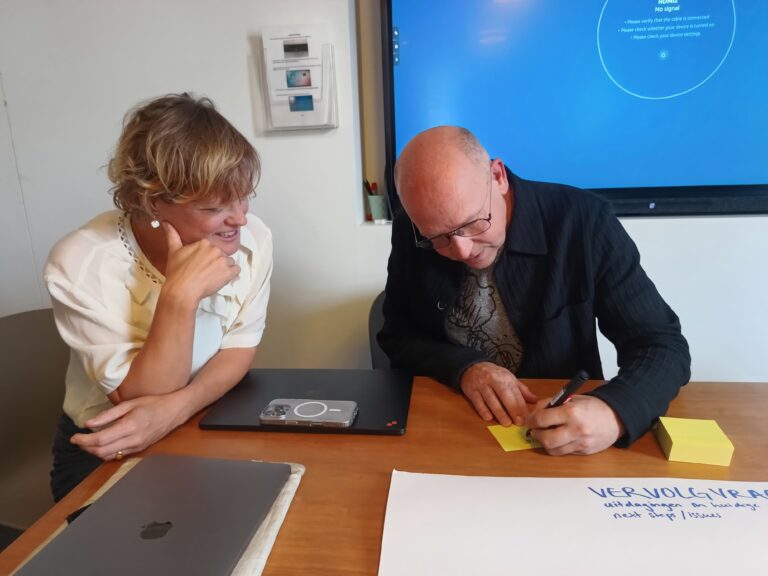
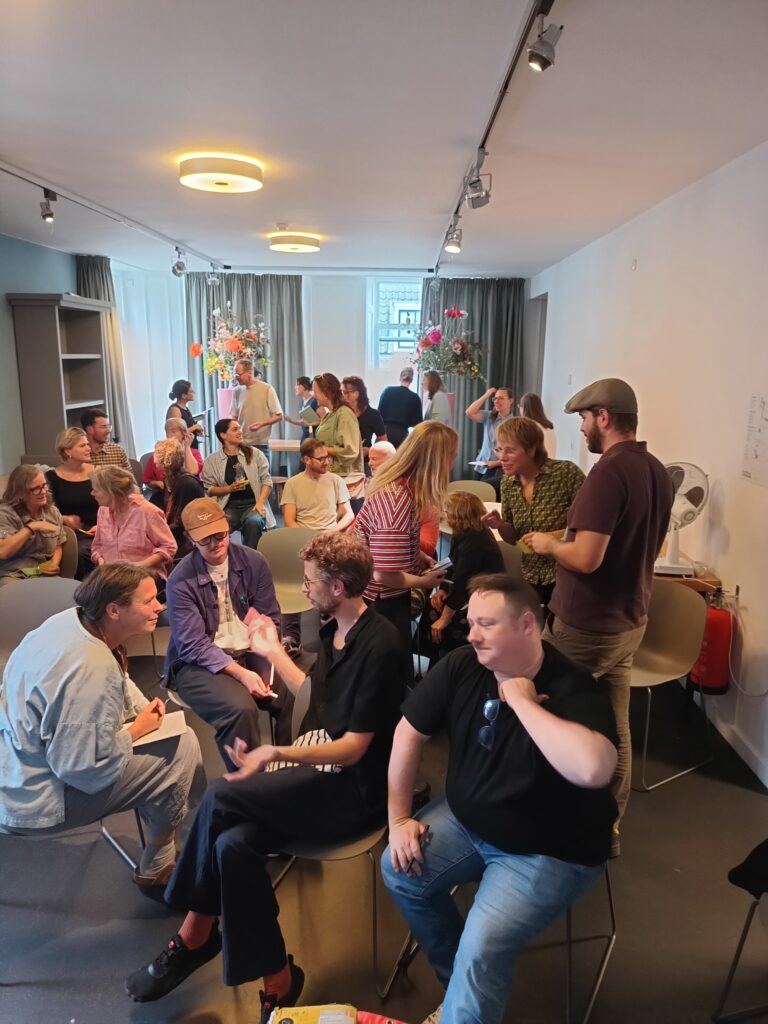
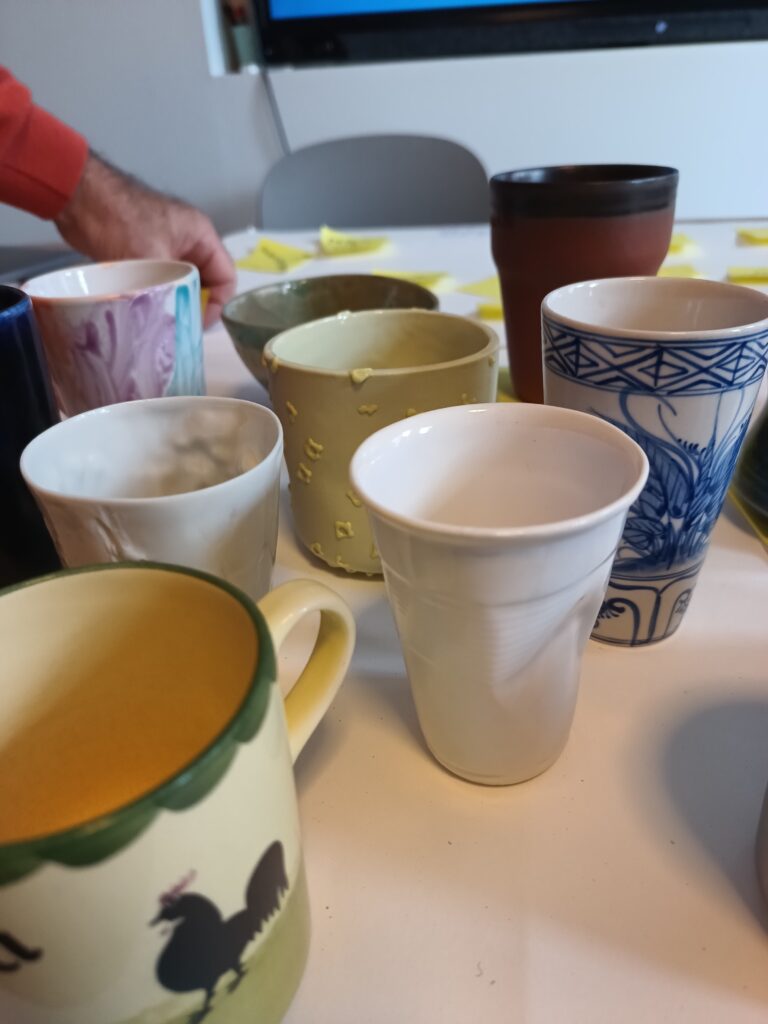
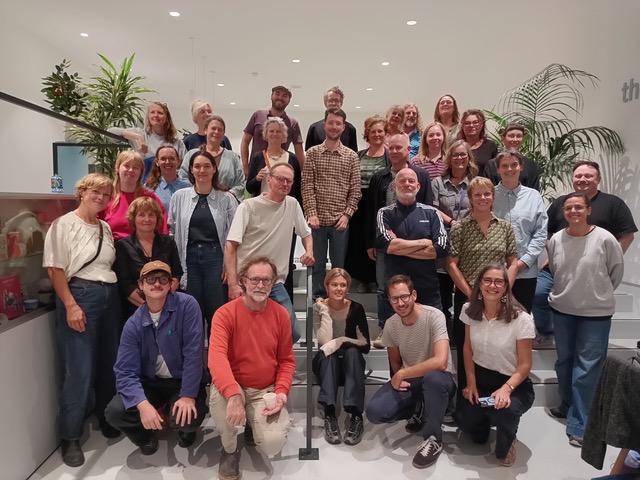
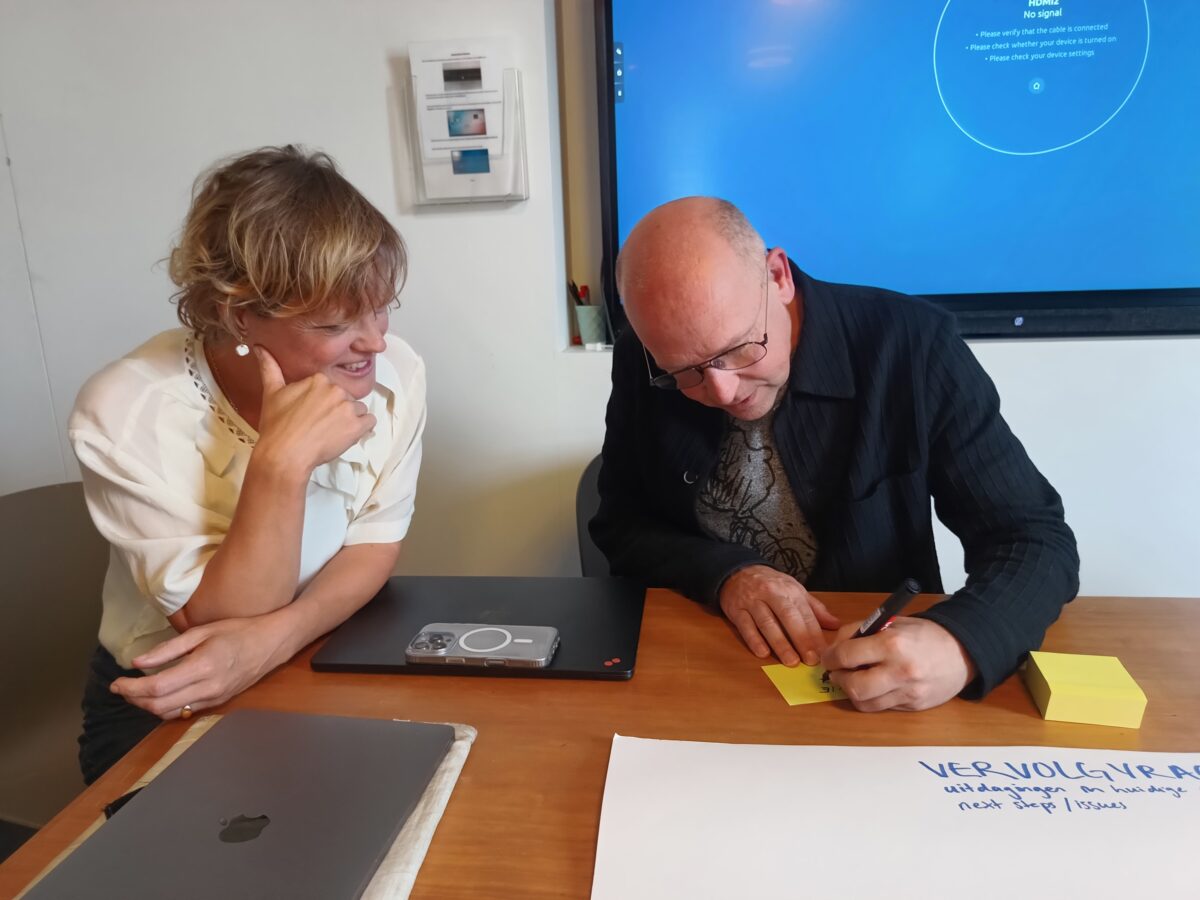
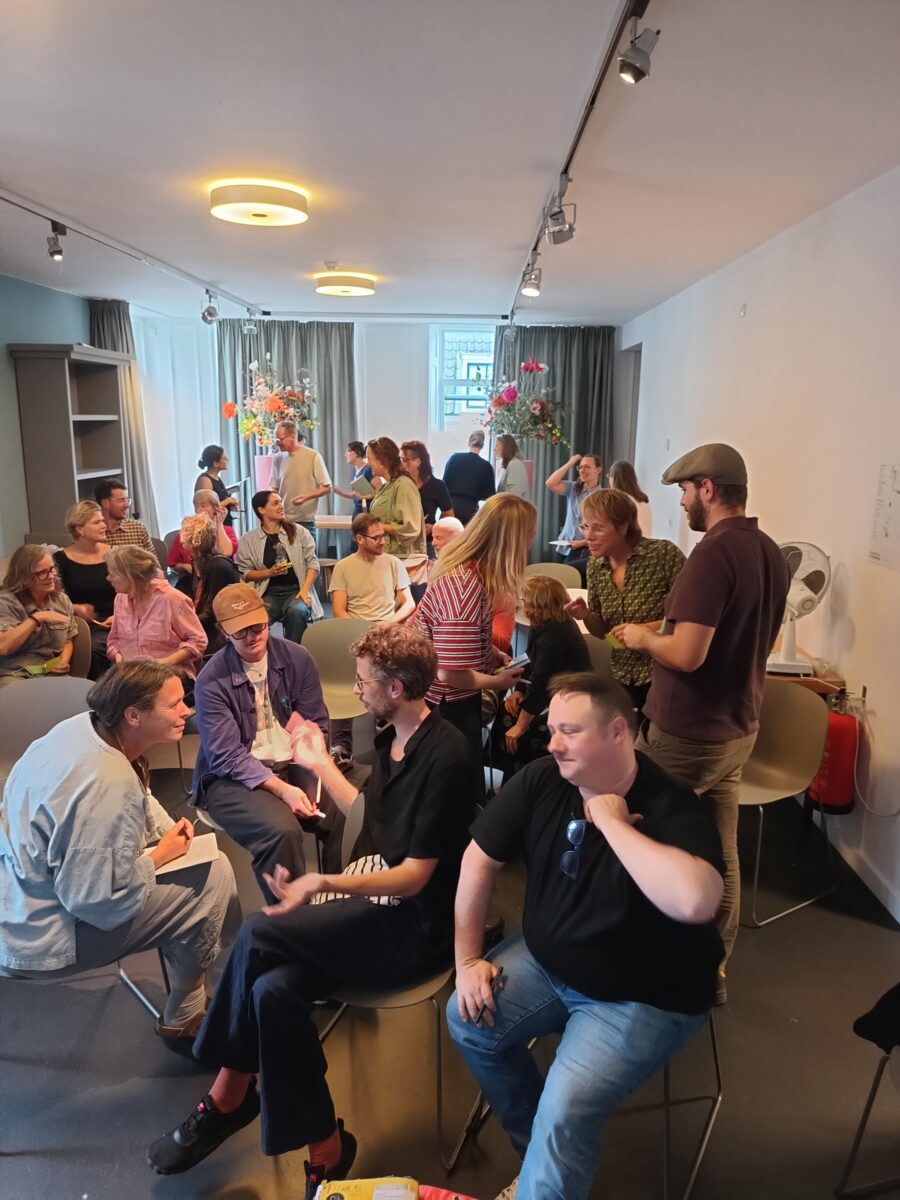
On 5 October 2026, 35 workshop experts from art and design education and postgraduate institutions gathered at the Ceramicmuseum Princessehof in Leeuwarden for Werkplaats van de Toekomst (The Workshop of the Future) , to exchange knowledge and experiences around making ceramic workshops more sustainable.
From energy consumption and CO₂ emissions to clay recycling, locally sourced materials and the transmission of craft knowledge, the discussions highlighted that sustainability requires more than new materials and techniques. It calls for a different perspective on our habits, culture, infrastructure and pedagogy. Such a changing perspective does not emerge in isolation. It is relational and situated in specific contexts, shaped through making, experimentation and collaboration, it influences how we think and act.
Workshops are therefore incridible vital spaces in which future generations of makers learn not only to work more sustainably, but also to think differently about materials, processes and their wider implications. How knowledge is shared and passed on plays a crucial role in this process.
The gathering brought together inspiring examples, critical questions and, above all, a shared commitment to staying connected and continuing to work collectively towards the ceramic workshop of the future. The responsibility for sustainable practice does not rest solely with individual makers or students. Institutions must provide the knowledge, time, resources and infrastructure needed to make more sustainable practices possible.
A report of this expert meeting is available (in Dutch) and can be found here:
Annemarie Piscaer was a co-initiator of the gathering and played a connecting role, bringing together perspectives from her design practice and her various roles in research and education.
In her practice, materials become narrative instruments, opening up new ways of perceiving, questioning and materially engaging with the world around us. She also brings her experience as an educator and co-developer of the Material Ecologies minor.
With thanks to all participants, speakers, organisers and Ceramicmuseum Princessehof for their openness, generosity in sharing knowledge and commitment.
Credits
The meeting was made possible in part through the organizational efforts and commitment of: EKWC, St. Joost School of Art & Design, de Willem de Kooning Academie, de Koninklijke Academie van Beeldende Kunsten (KABK), het JUST ART-consortium, Keramiekmuseum Princessehof, en Lab AIR.