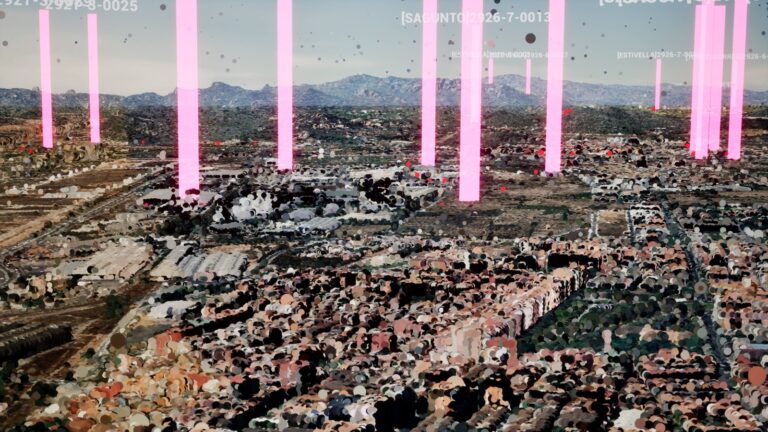
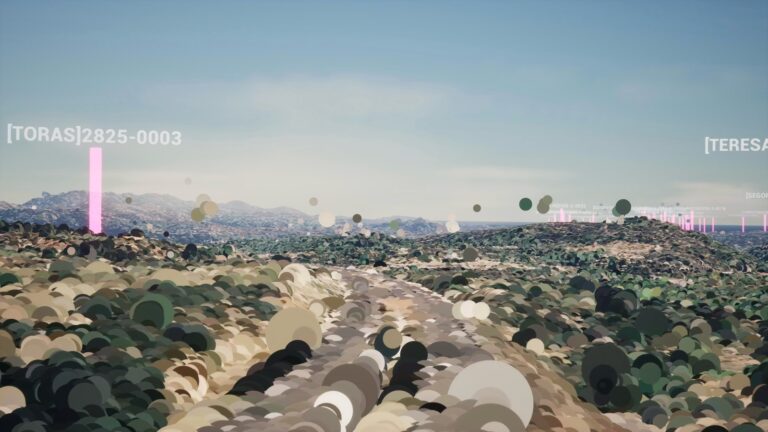
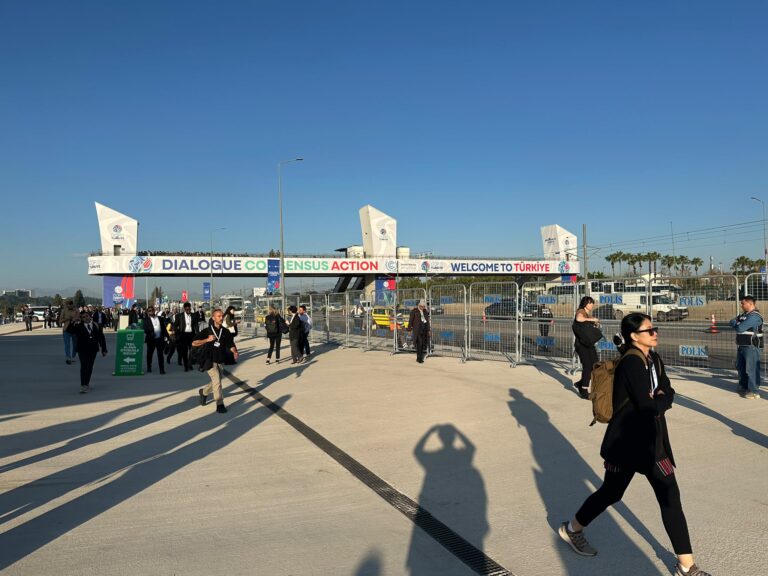
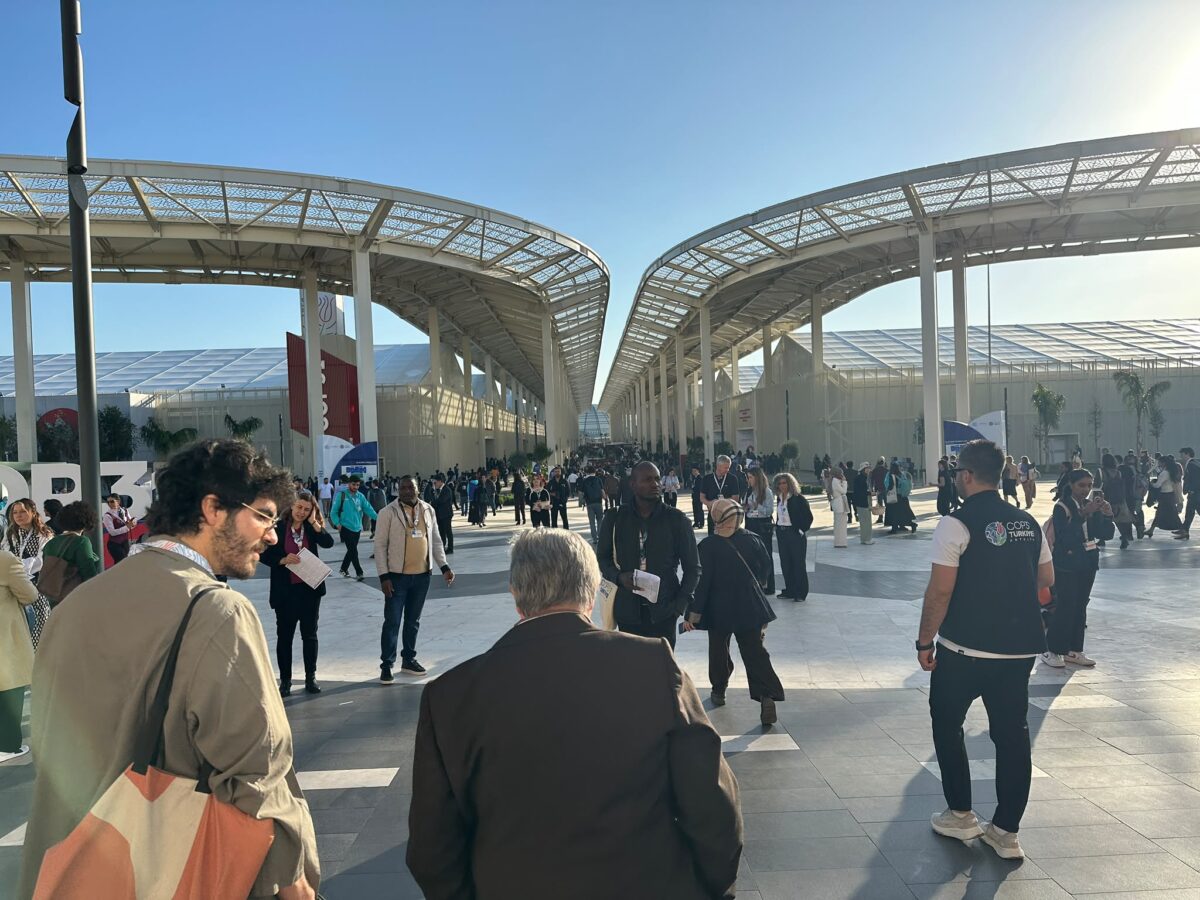
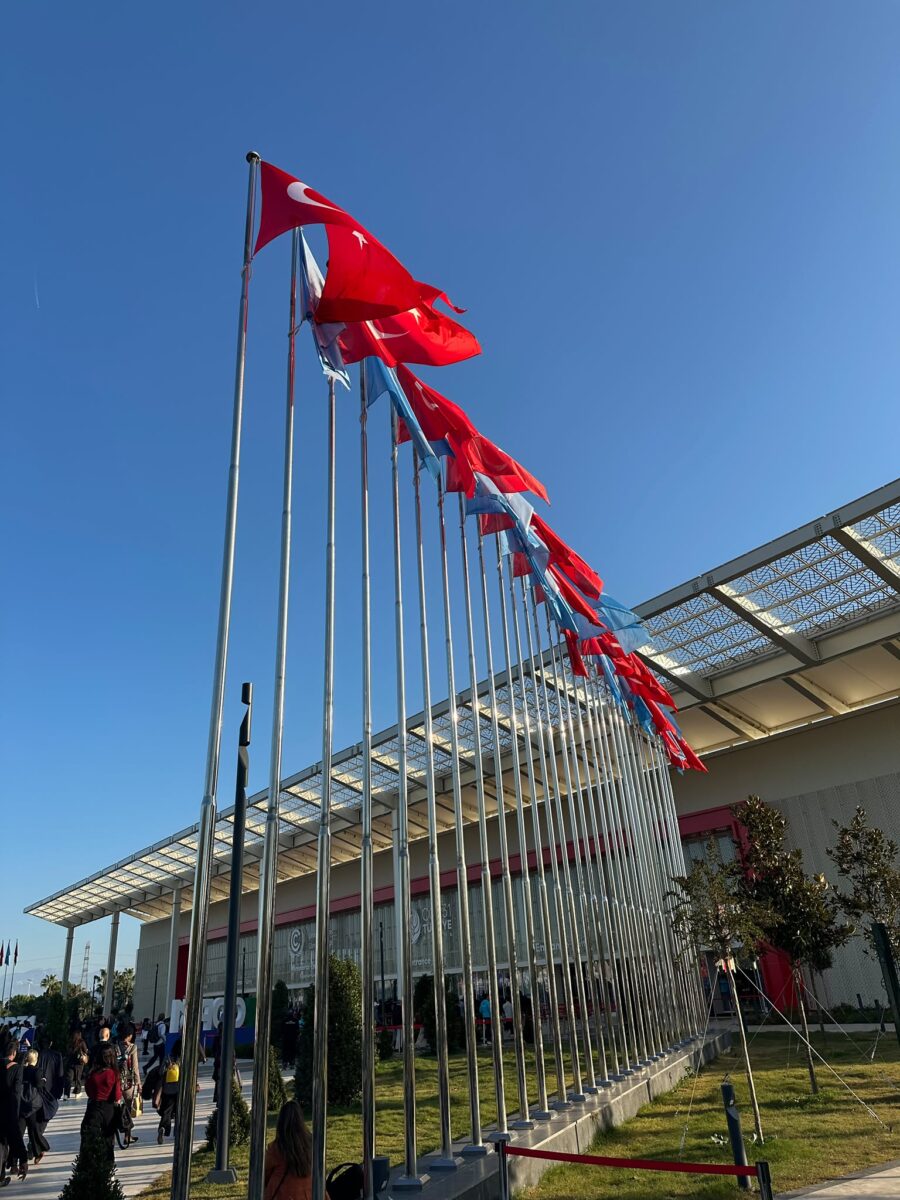
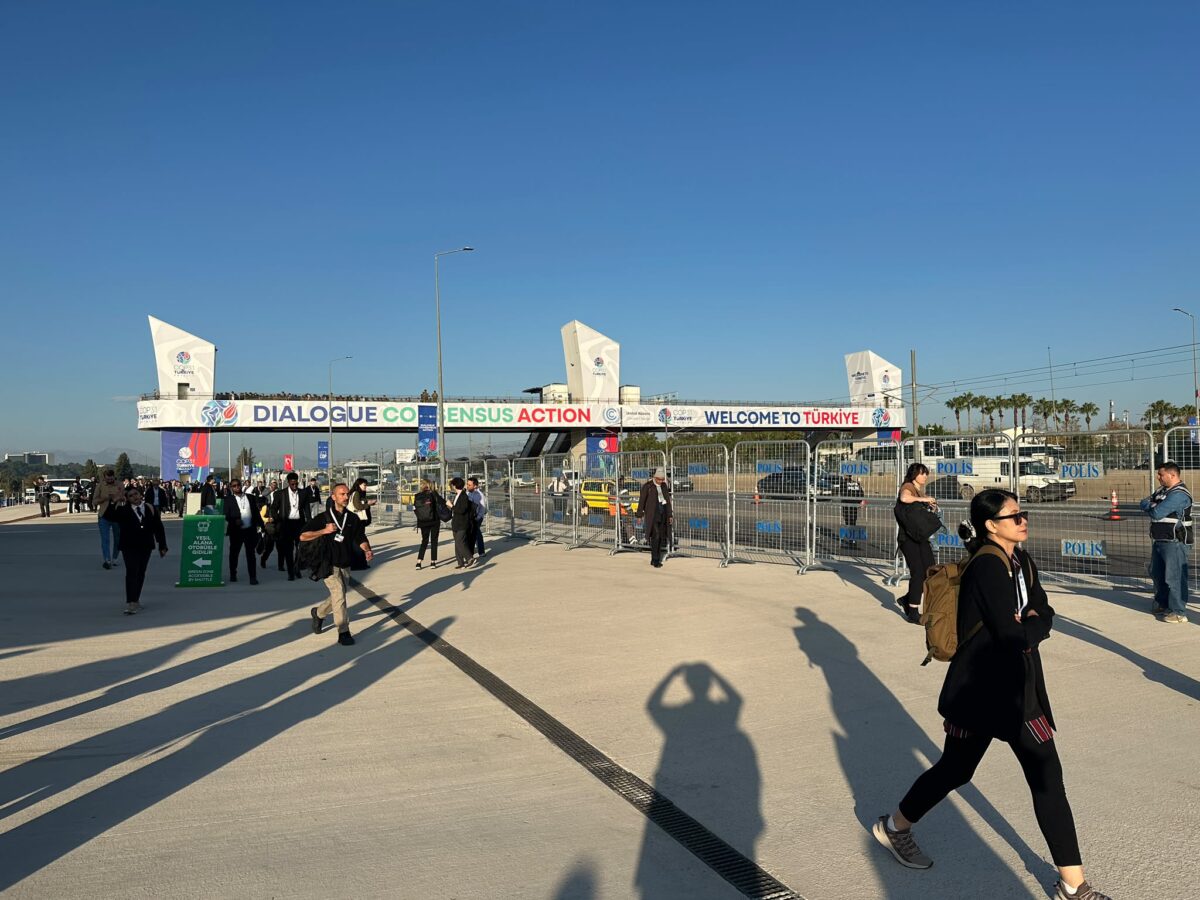
Cloud Gardens, a project developed during the Organismo 2026 residency with the participation of CARADT Regenerative Art & Design (RAD) researcher Hugo F. Garcia, was recently presented at COP31 in Turkey. The project explores how art, design and science can help communities build a shared understanding of land management, weather and water cycles, and imagine possible futures together.
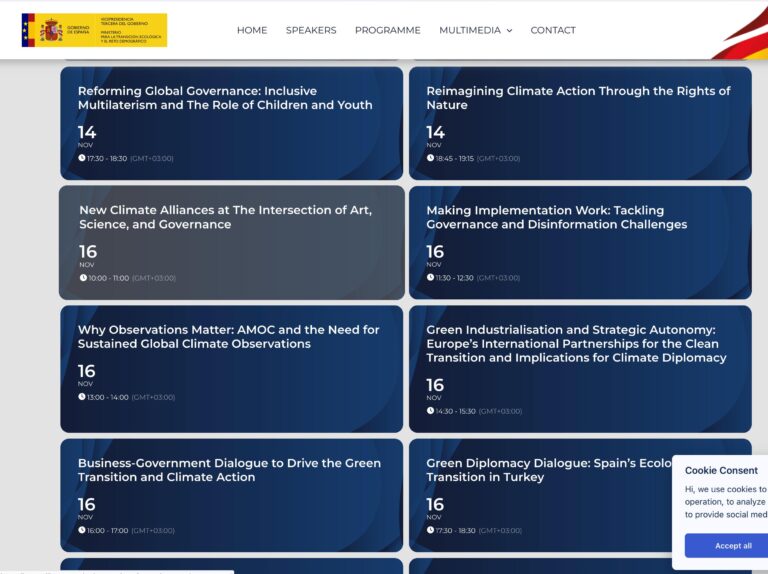
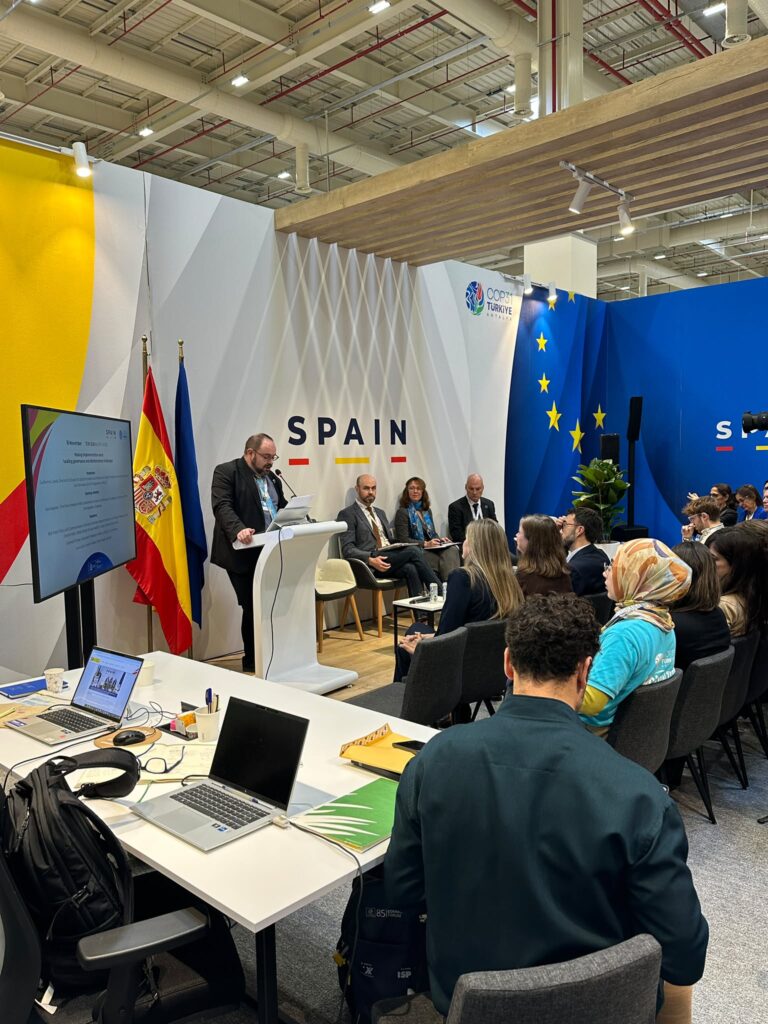
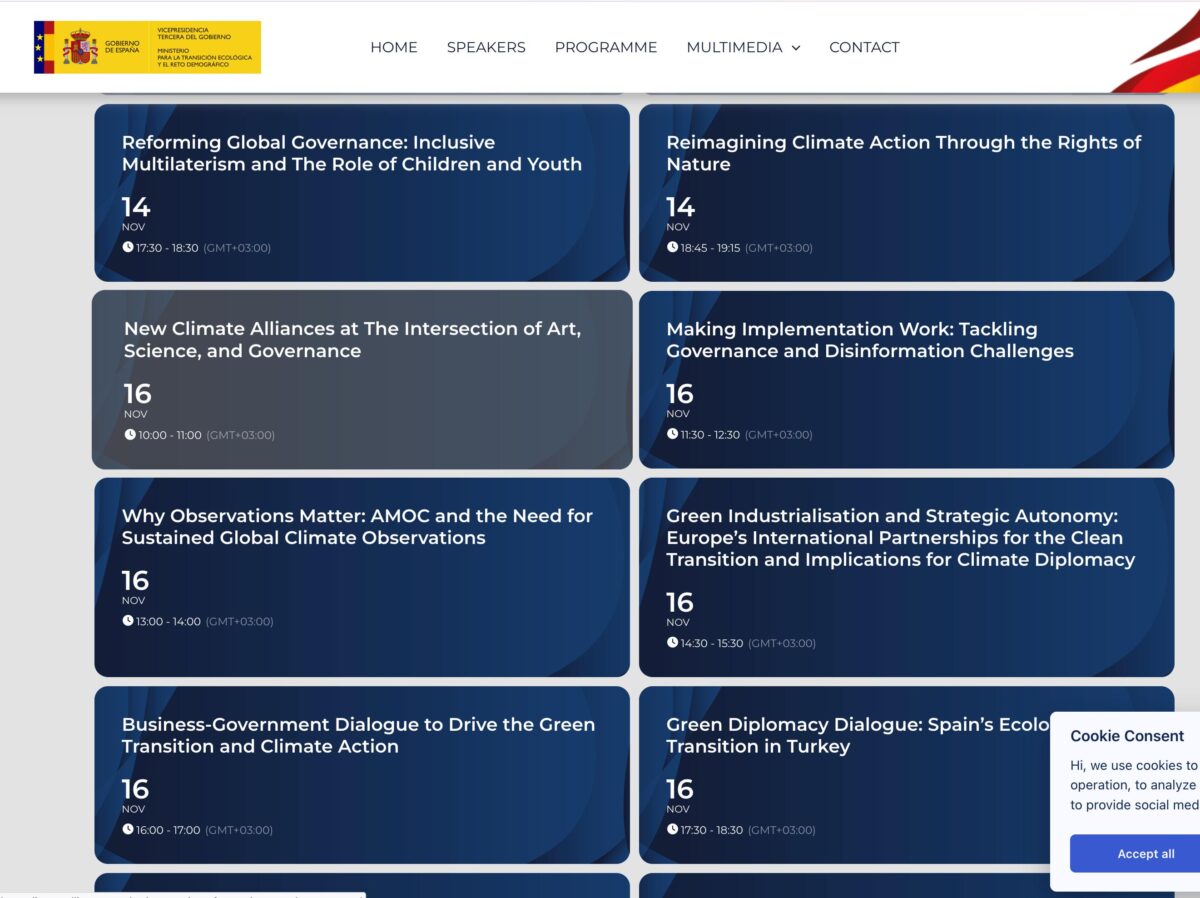
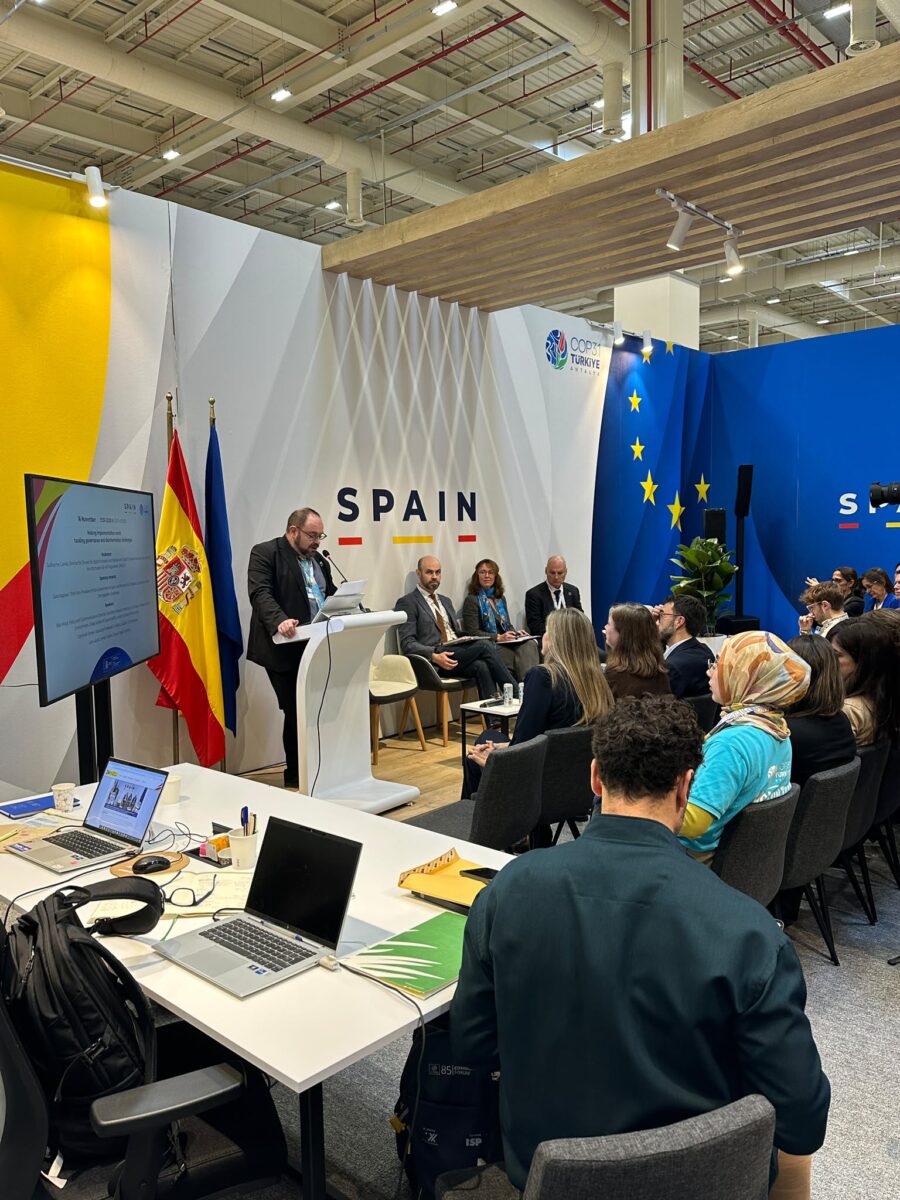
During COP31, Gary Zhexi Zhang, the group’s lead artist, and María José Sanz Sánchez presented Cloud Gardens at the Spanish Pavilion, as part of a session on new climate alliances at the intersection of art, science and governance. The presentation was well received by the audience and attracted interest from representatives of the Spanish Ministry of Culture.
COP31 – New Climate Alliances at the Intersection of Art, Science and Governance
Exploring new ways to prepare for climate-related events
Cloud Gardens was developed as part of Last Resorts, a case study within the Organismo 2026 residency, organised by TBA21 and the Thyssen-Bornemisza Museum. CARADT’s RAD researcher Hugo F. Garcia was selected to participate in the residency in January 2026.
The case study focused on Valencia, Spain, exploring how communities can prepare for extreme climate-related events. Working with the Basque Centre for Climate Change (BC3), the group visited the area and conducted interviews with stakeholders ranging from government officials to activists, farmers and local residents.
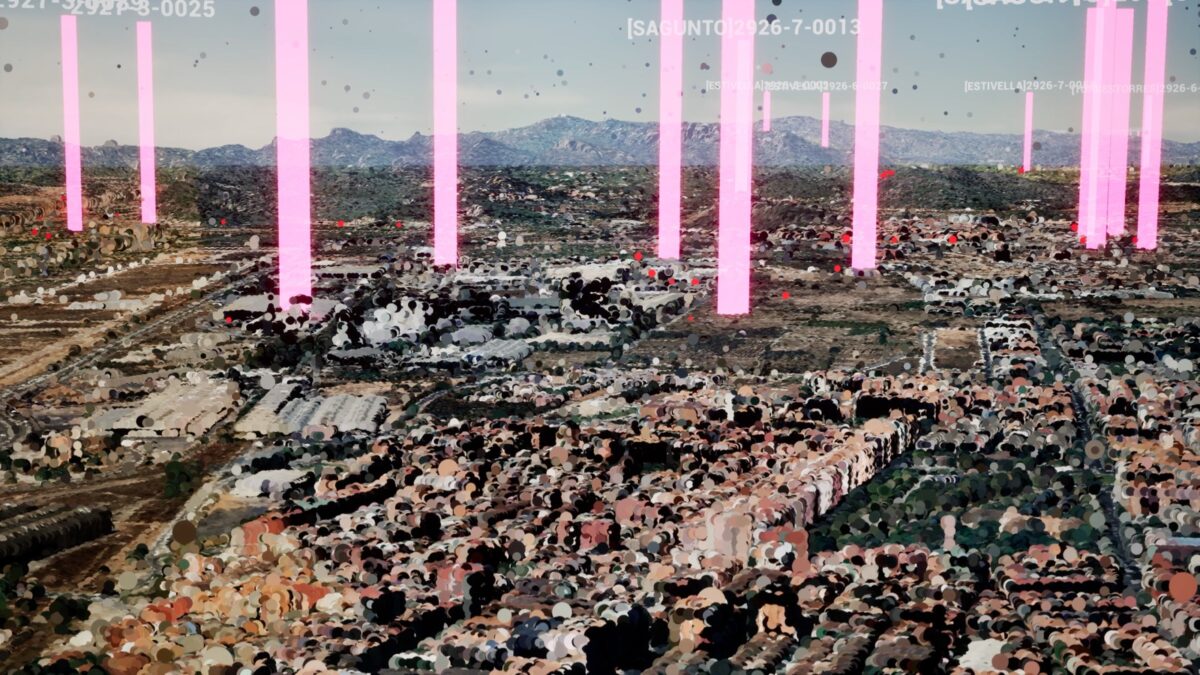
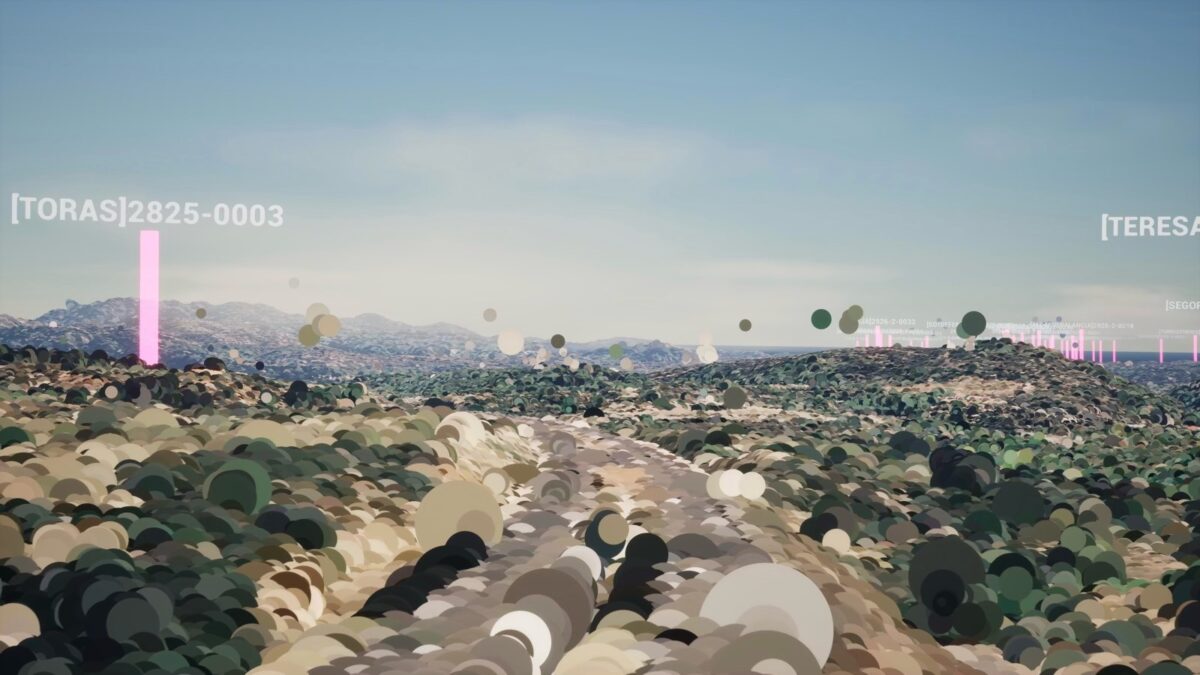
Based on this research, the group developed Cloud Gardens, a tool that connects the digital and the physical to bring people together around land management, weather and water cycles. The project aims to build a shared understanding of these systems and help communities imagine possible futures together. It also explores how the management of territory could shape rain patterns and help avoid catastrophic events.
In July, the group presented a prototype of Cloud Gardens at the Thyssen-Bornemisza Museum in Madrid, during the closure ceremony of the Organismo residency i. The project was approved for further development, with the aim of implementing the tool in Valencia and potentially extending it to other territories and landscapes.
Cloud Gardens – Project website
The role of art and design in collective action
The presentation at COP31 highlighted the importance of art & design research in the field of climate resilience bringing different stakeholders together and encouraging collective action.
As both a scientist and a former climate agreement negotiator, María José Sanz Sánchez addressed that scientific evidence alone is often insufficient to mobilise people. Shared goals and ways to imagine a common future are also needed.
Art and design can play an important role in this process, helping people connect different perspectives and develop shared visions. This is where Cloud Gardens aims to contribute, bringing together scientific knowledge, artistic imagination and different stakeholders.
Looking ahead & more information
Following the positive reception at COP31, Cloud Gardens is now looking for funding to continue to its next phase. The next phase will consist in collecting local stories of different stakeholders, along with drawings and other documentation to build a navigable interactive website where this stories can be shared to create a common imaginary. The tool will be then use in workshops and other sessions to help BC£ share their science-based vision and help this stakeholders to decide the future they want to have. The ambition remains to further develop and implement the tool in Valencia, with the possibility of extending it to other territories and landscapes.
Credits
Team: Gary Zhexi Zhang, Inês Barros, Hugo Félix Garcia, Julian Mauricio Guerrero, Mahwish Khallil, Sarina Lincoln, Harry Meadows, and Lucia Rebolino.