Caradt

Filter

  • Cultural and Creative Industries
  • Situated Art and Design
  • Regenerative Art and Design
  • Biobased Art and Design
  • All
Staff Alumni
Research Projects Archive

Search

CARADT researcher Renée van Oploo co-led workshop Welcome to the Weird & Dirty

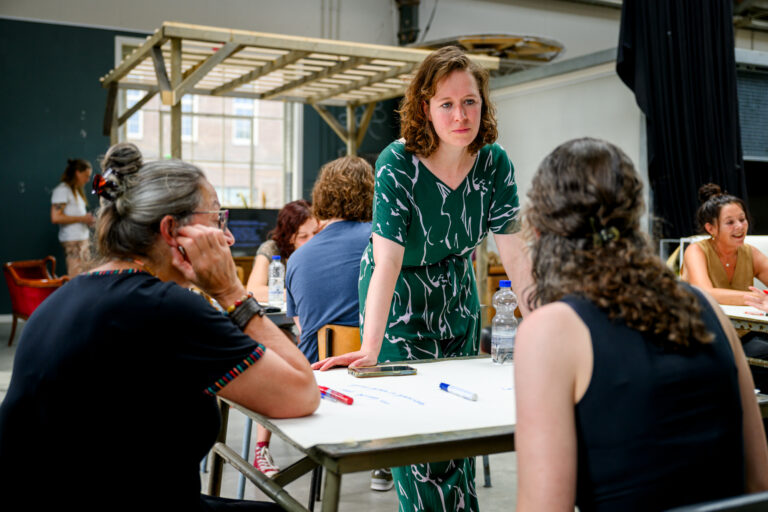
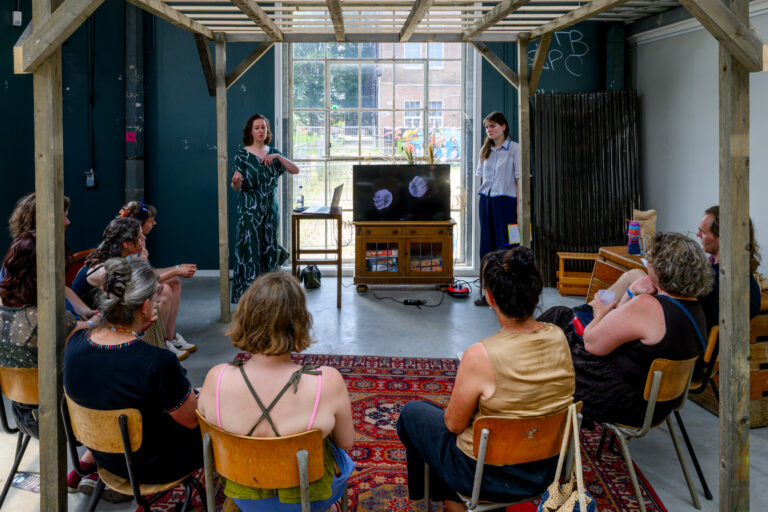
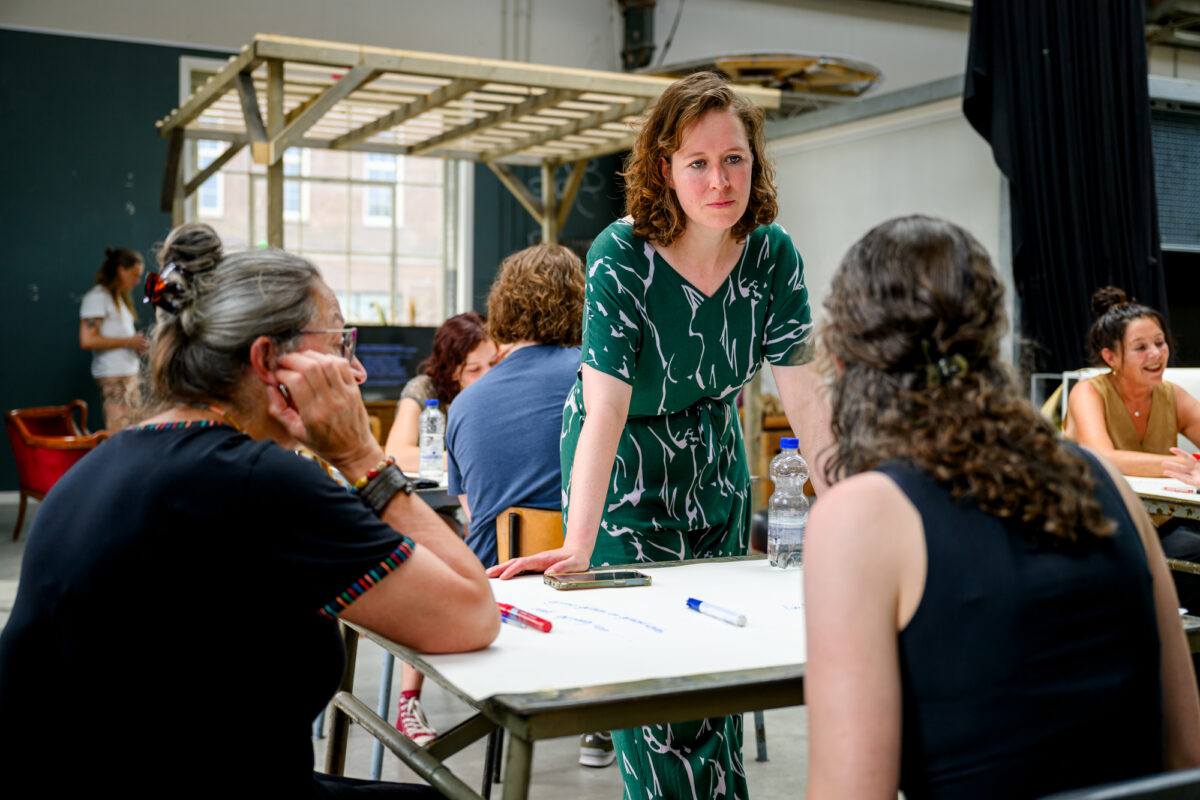
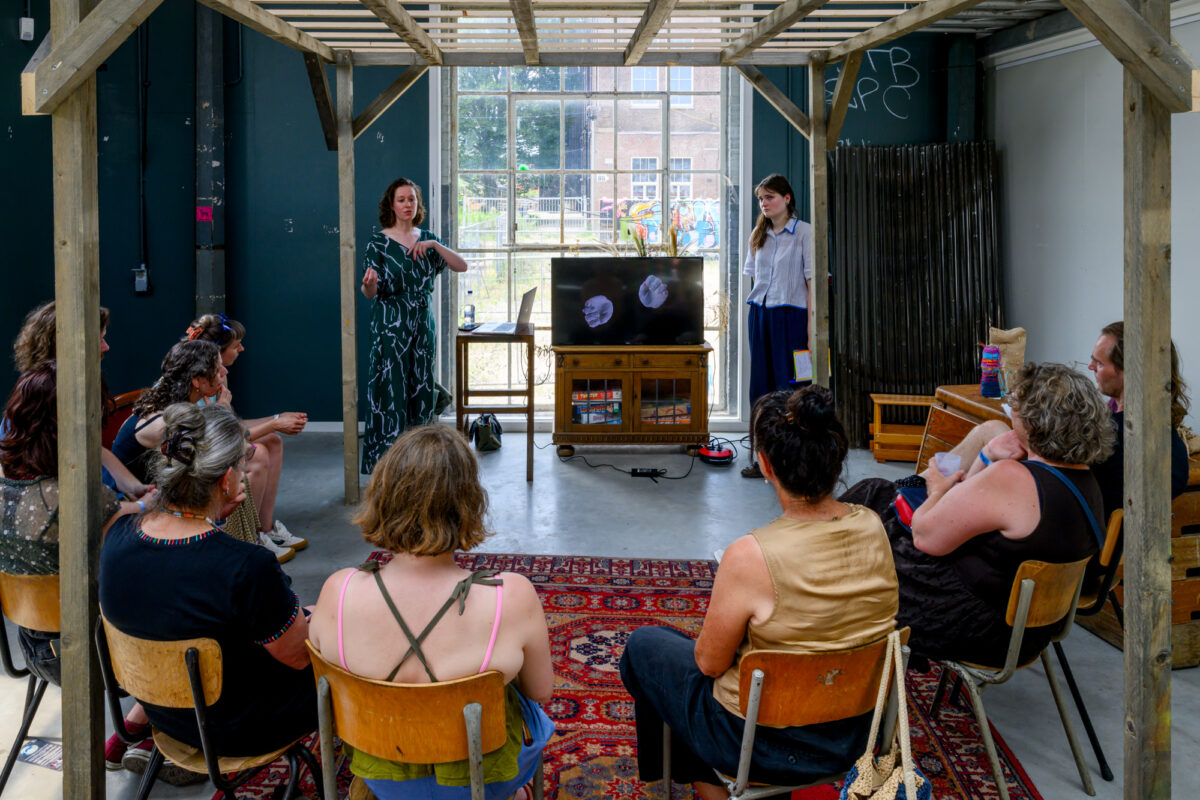
On 28 June 2026, CARADT researcher Renée van Oploo and Dagmar Marent co-led the workshop Welcome to the Weird & Dirty during De Vijf Ontmoetingen: Willen we alles zien? at the Hall of Fame in Tilburg.

The workshop invited participants to explore what is often considered strange, messy or uncomfortable, questioning the instinct to avoid what falls outside dominant ideas of what is acceptable or desirable. Through collective making, participants reflected on the role of contradiction, doubt and imperfection in imagining alternative futures.

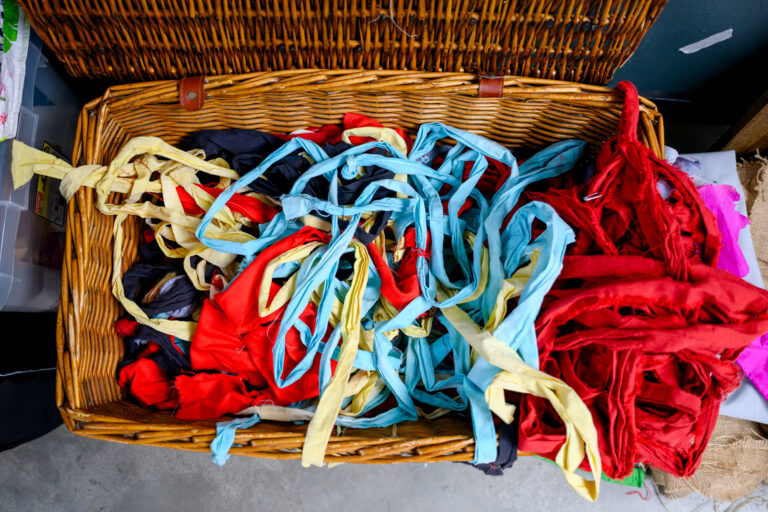
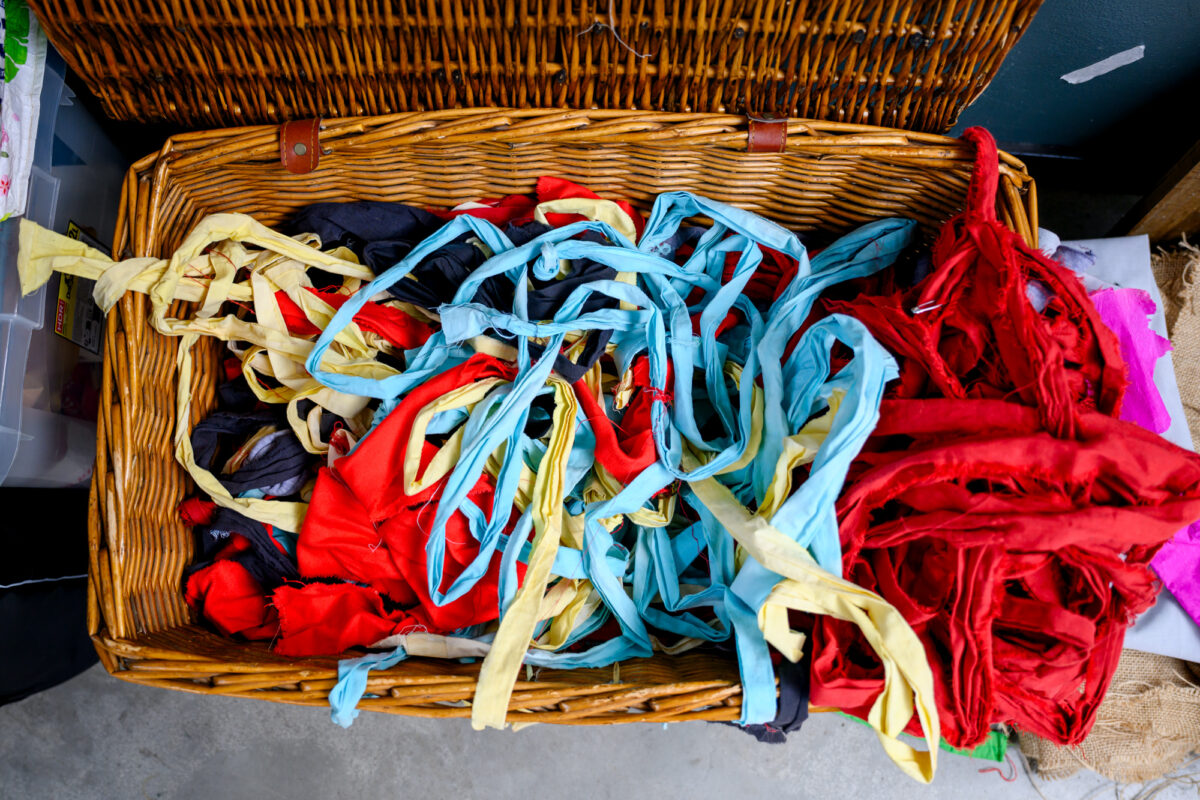
Working with hand puppets, participants created a shared panorama in which virtues and vices were brought to life with imagination and aesthetic precision. Rather than separating the “good” from the “bad,” the workshop encouraged participants to consider how acknowledging complexity and ambiguity can contribute to a richer and more nuanced understanding of ourselves and the world around us.

The workshop formed part of De Vijf Ontmoetingen, organised by The Long Tail of Art and YAFF, and contributed to ongoing conversations about imagination, ethics and societal transformation through artistic practice.

Photos by: Jostijn Ligtvoet

‘Within my practice I create spaces for introspection while exploring ethical dilemmas. ’

In 2017, I graduated from St. Joost in Den Bosch, and I hold a Master’s in Applied Ethics from Utrecht University. Presently, I work as an artist, am an active member of the YAFF art collective, and concurrently serve as a lecturer.

Renée van Oploo arrow

Research Group: Cultural and Creative Industries

The research group Cultural and Creative Industries investigates the role of artists and designers as creative innovators and drivers of social and economic change. Affiliated researchers analyse the cultural and creative industries from a critical point of view and examine the conditions under which timely forms of aesthetic expression and social connectedness can actually take place within the precarious reality of this field. What economic models are required by artists and designers to create a meaningful practice within the aesthetic, social, and economic intentions of the cultural and creative industries? What skills sets are required for those artists and designers who don’t just want to follow movements, but actually shape novel social and economic models of the future?

Read more arrow

Thank you for your subscription! Please check your email inbox to confirm.

Okay