Exhibiting for Multiple Senses: Art and Curating for Sensory Diverse Bodies (2023 – 2026)
How do disability art activism and crip theory inform contemporary art curating, and the other way around?


How can museums become truly inclusive spaces, not through separate solutions, but through shared, enriched experiences?
CARADT has received KIEM MV funding from SIA Regieorgaan for the project “Inclusive Technology for Museums: Sensory Substitution and Augmentation for Inclusive Exhibitions.” Together with innovative designers and leading partners from the museum world, the project explores how emerging technologies can enhance sensorial inclusivity in exhibition environments.
Rethinking Inclusion Through Sensory Design
Across society, institutions are rethinking how everyone can participate fully. Museums are no exception. Conversations with museum stakeholders, and innovation-driven reveal a strong ambition to use technology to make exhibitions accessible to broader and more diverse audiences, particularly in relation to sensory diversity and neurodiversity.
This project focuses on sensory substitution and sensory augmentation: technological approaches that expand or translate sensory experiences. These technologies have the potential to support visitors with visual, auditor or neurological differences, not by isolating them as target groups, but by enriching the exhibition experience in ways that benefit all.
The research directly connects to CARADT’s thematic lines of Embodied Technology, Situated Design, and Democratization of Art & Culture, combining technological experimentation with critical reflection and in-situ design research.
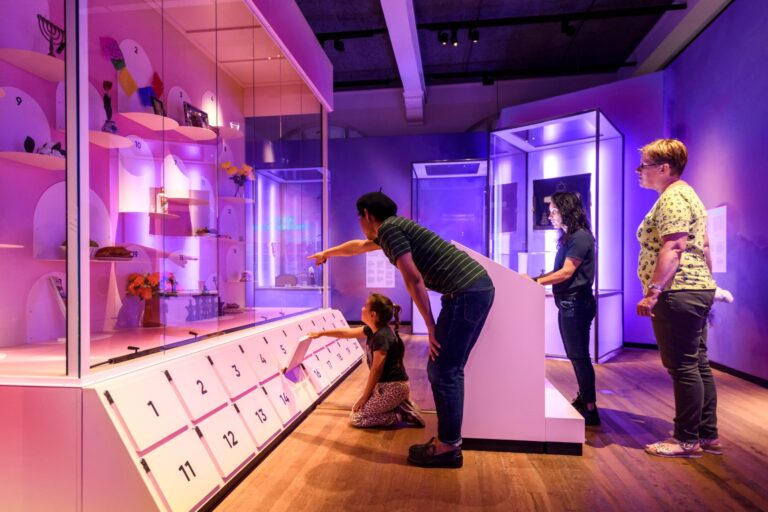

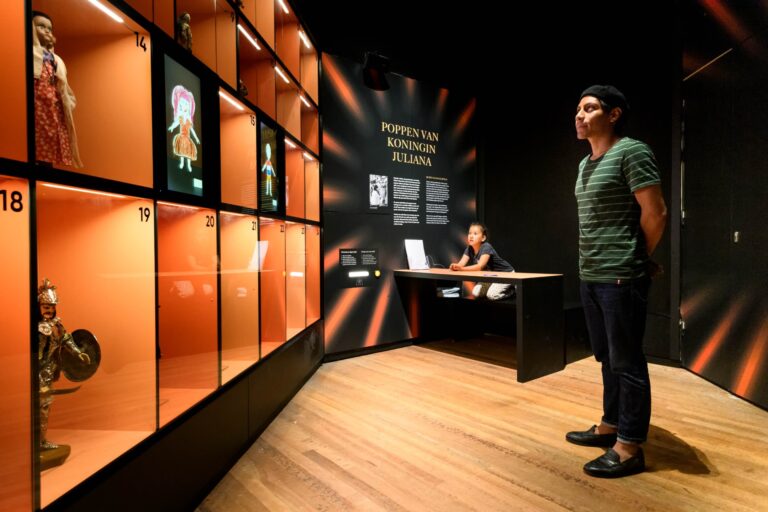
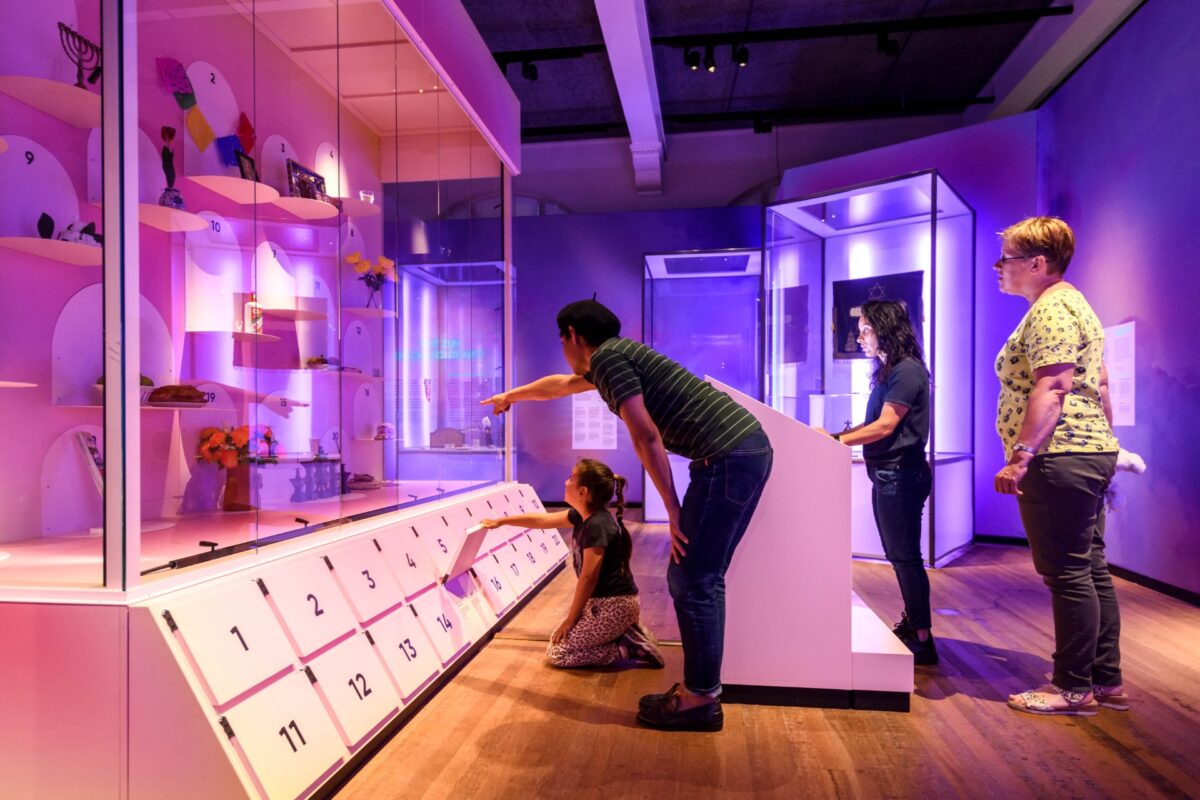
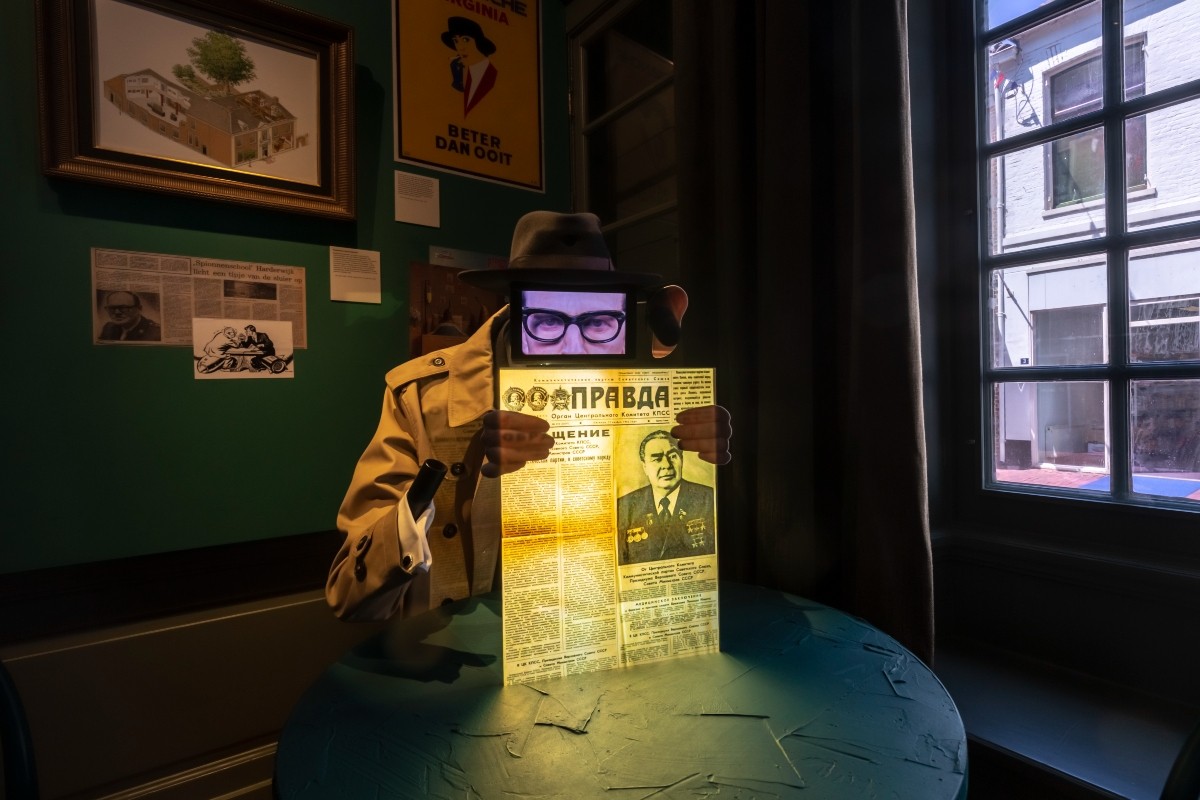
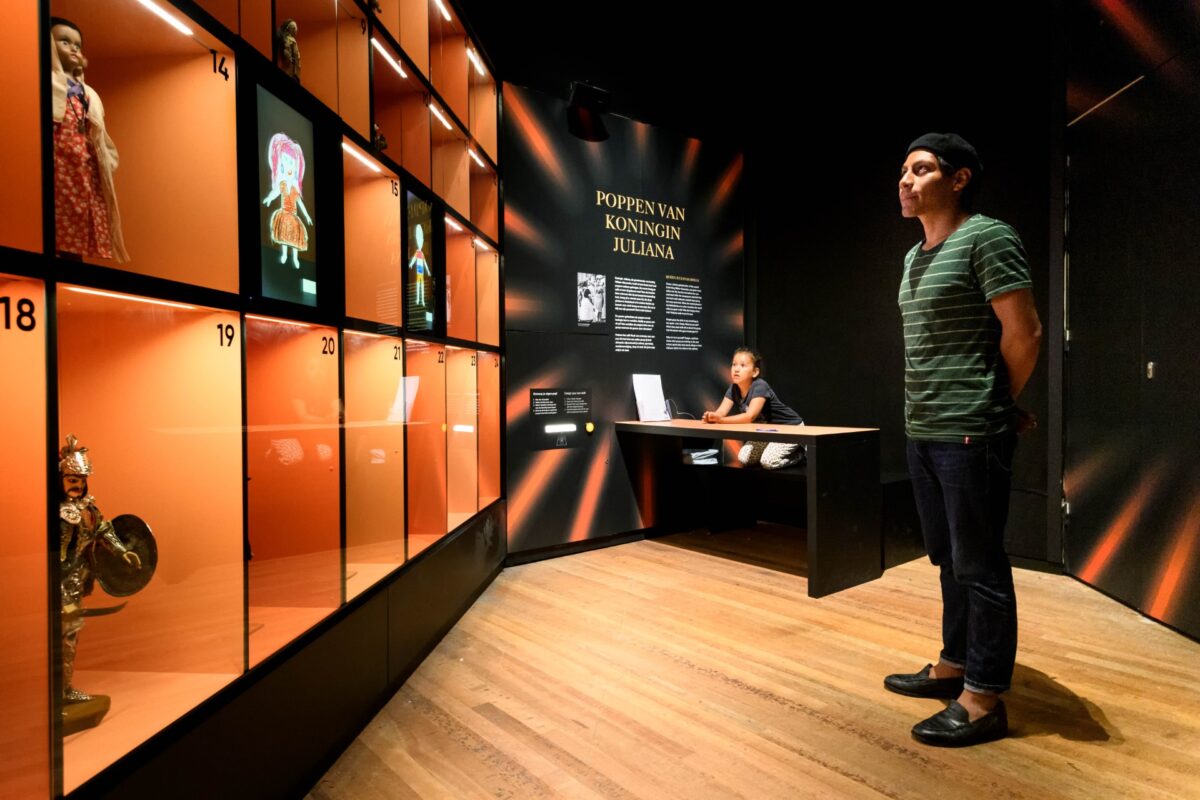
Designing in Context: From Concept to Museum Floor
Rather than testing solutions in laboratory settings, the project is built around design actions in situ. Together with designers:
sensory augmentation and substitution technologies currently under development will be applied directly within museum contexts.
These interventions will take place at:
Within these real exhibition environments, the technologies will be tested in interaction with visitors. This situated approach allows us to better understand not only technical feasibility, but also experiential, ethical, and social dimensions of sensory inclusion. The project’s outcomes will be disseminated with the support of the Museumvereniging.
Research with Impact
CARADT’s tutor-researchers will document and evaluate the outcomes of these design actions, assessing their potential to make museums more sensorially inclusive. The insights generated will:
Through critical imagination and embodied technological exploration, we aim to contribute to a future in which museums are not just accessible, but meaningfully inclusive for diverse sensory worlds.
How do disability art activism and crip theory inform contemporary art curating, and the other way around?
‘Could experimental sensory translation of art works improve their accessibility for sensory diverse exhibition audiences?’
Eva Fotiadi is a researcher within the Situated Art, Design and Technology research group and a theory tutor at the St Joost School of Art and Design, where she is also a member of the Diversity Dialogues platform
The research group Situated Art, Design and Technology (SADT) focuses on the societal embedding and embodiment of knowledge production that art and design research enables. The conducted research contributes to a deeper understanding of technological developments and their impact on people, society, and the environment, and to the development of situated approaches in the creative sector and beyond. In doing so, it advances a wider acknowledgement of artistic and design research as a mode of knowledge production, one that is grounded in creativity and critical imagination as a way of generating insight into, and intervening in, societal transitions driven by technology.
Read more
Thank you for your subscription! Please check your email inbox to confirm.