Exploring Perspectives: The Empathy Lab Workshop and Final Presentations
“How can interactive, embodied learning experiences improve collaboration among professionals in the aid and safety network to provide more integrated and effective support for at-risk youth?”
This was the central research question within the Mind the Gap research group (part of the Centre of Expertise Safe & Resilient Society), which led to a collaboration between researchers, CMD students, and municipal professionals from Breda and Amsterdam. Researcher Jenny van den Broeke facilitated a workshop from the Empathy Lab, exploring how artistic interventions and imagination can enrich this research.
Empathy Lab: Understanding the Unseen
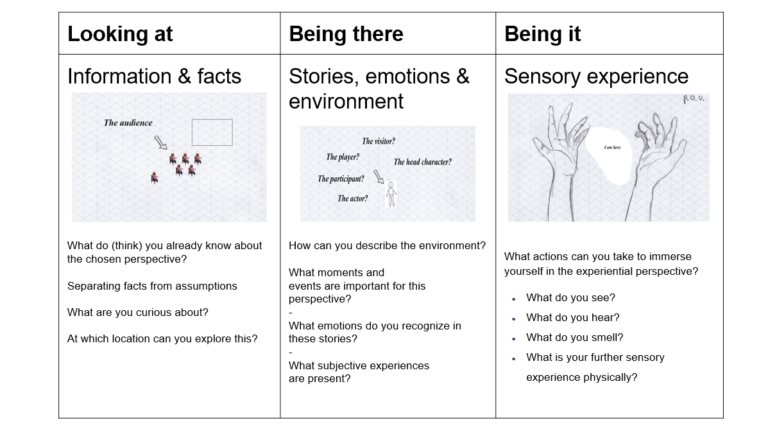
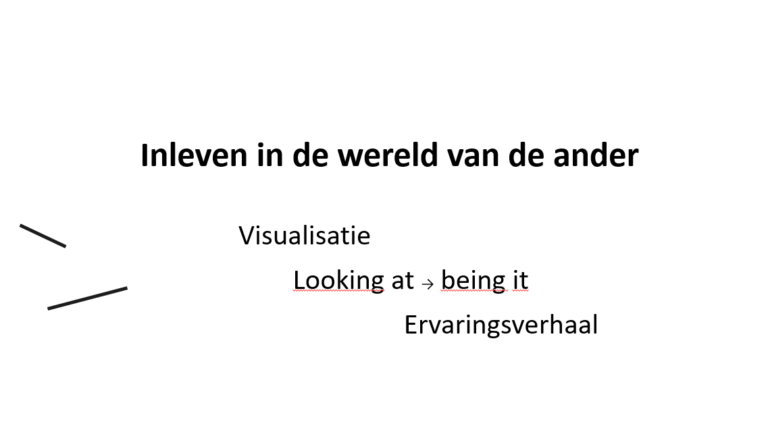
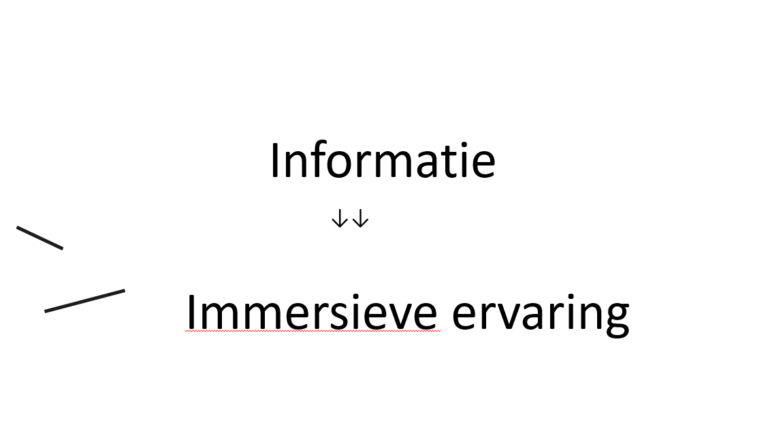
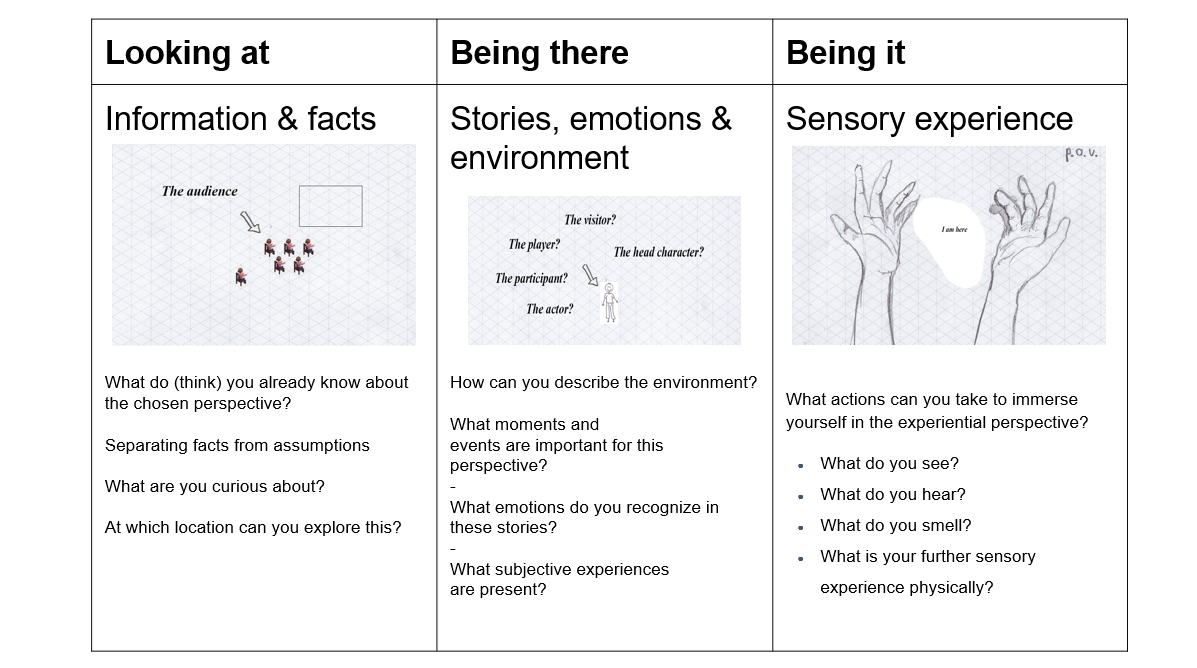
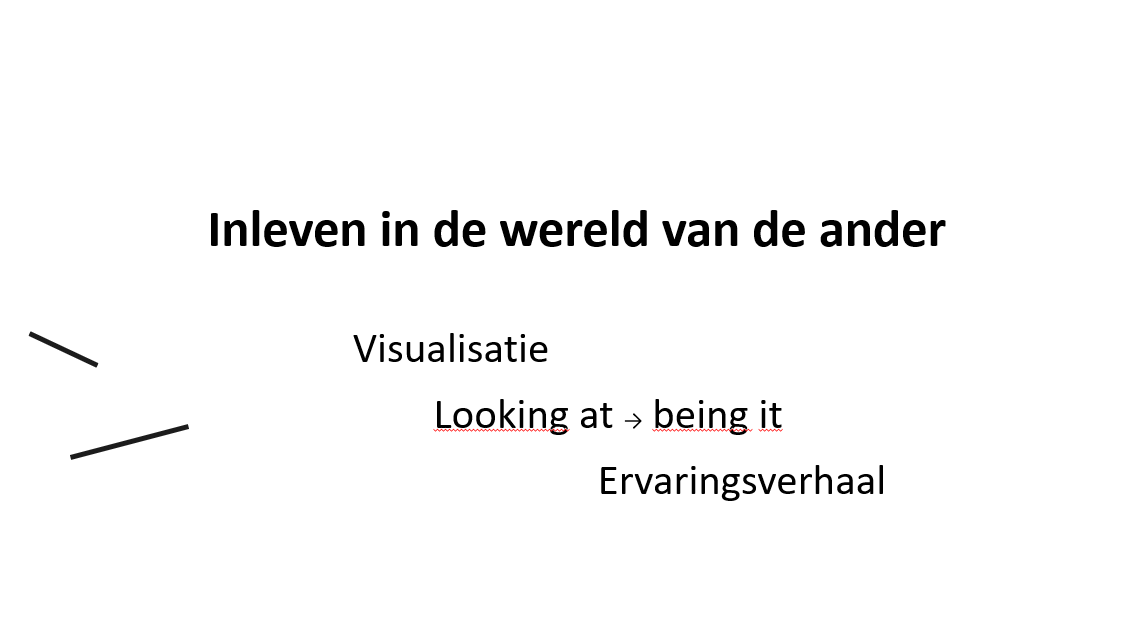
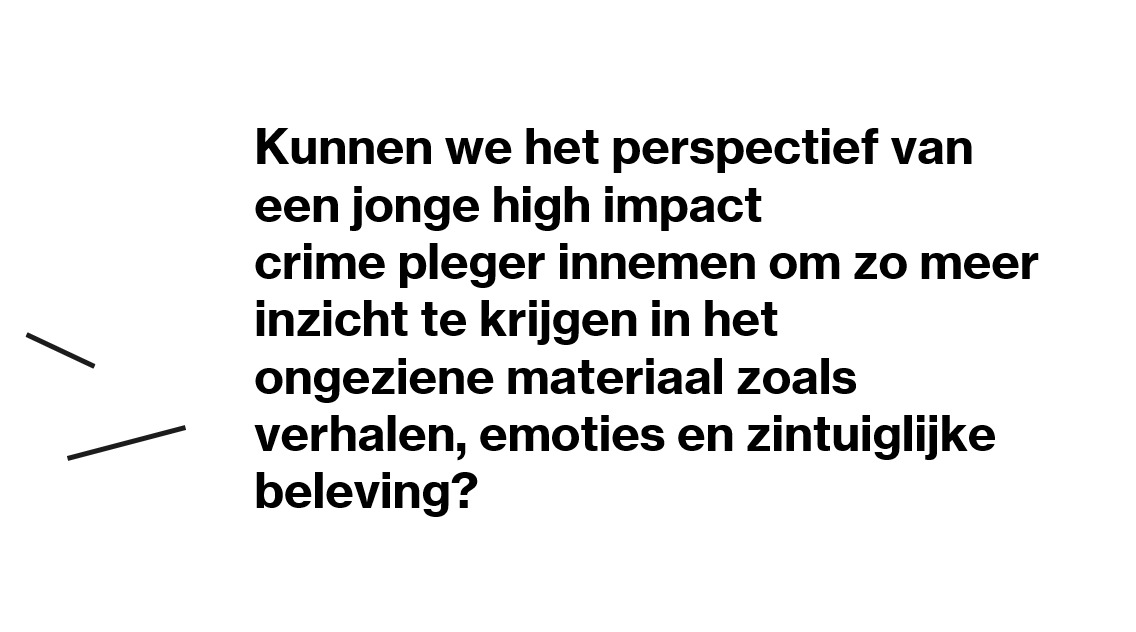
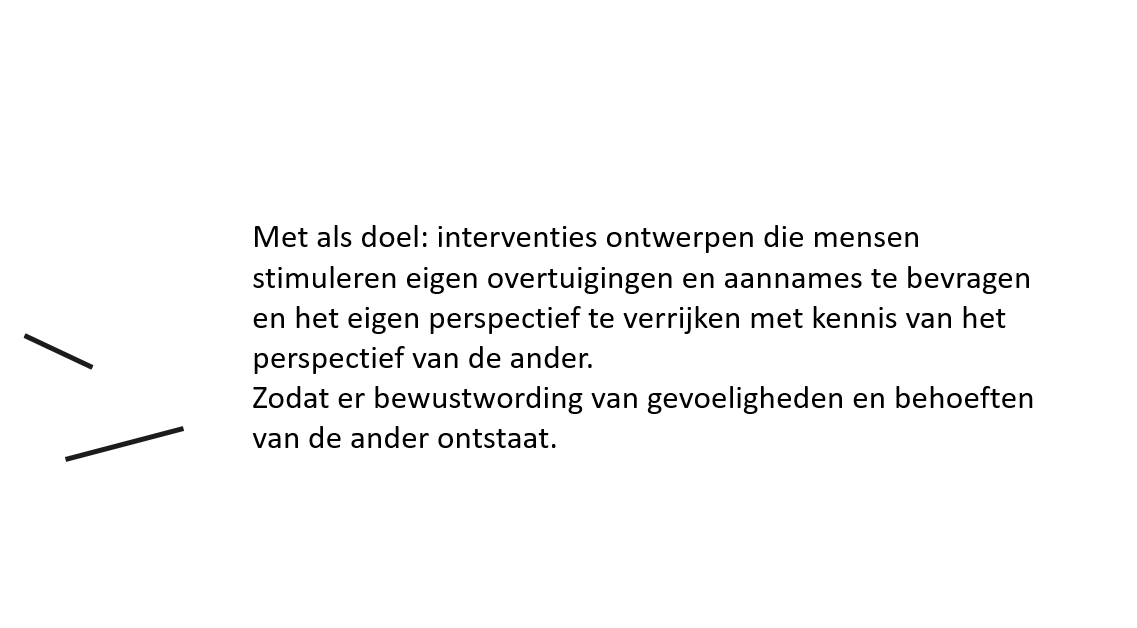
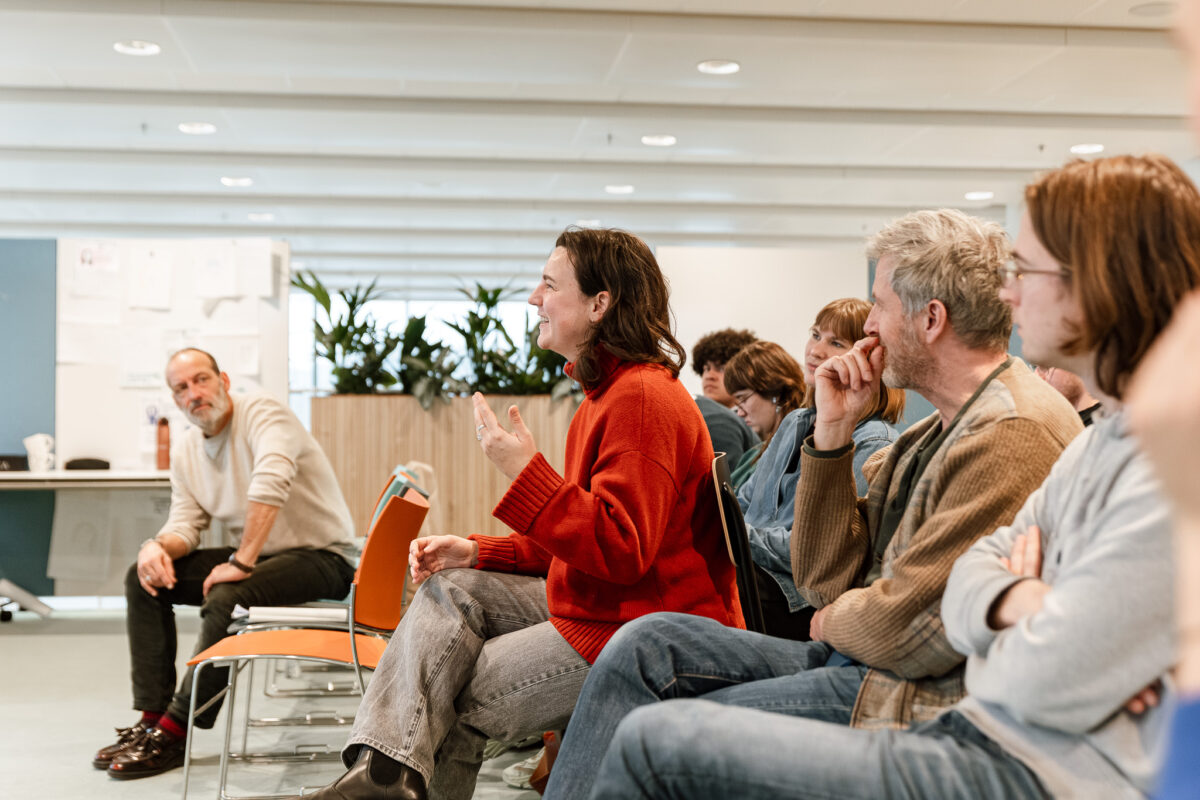
On December 18, researcher Jenny van den Broeke conducted a workshop as part of a CMD lab where third-year students tested their prototypes with professionals. This workshop challenged students to take on the perspective of a young high-impact crime offender. By immersing themselves in a guided visualization, participants attempted to step into the mind of someone committing a street robbery—exploring the limits of their imagination and identifying empathy gaps.
The session also included a reconstruction of a real-life experience: a young street offender shared his background, family situation, and the emotions leading up to his decision to commit a crime. This exercise provided students with crucial intangible material—stories, emotions, and sensory experiences—to refine their design choices.
Final Presentations on January 20
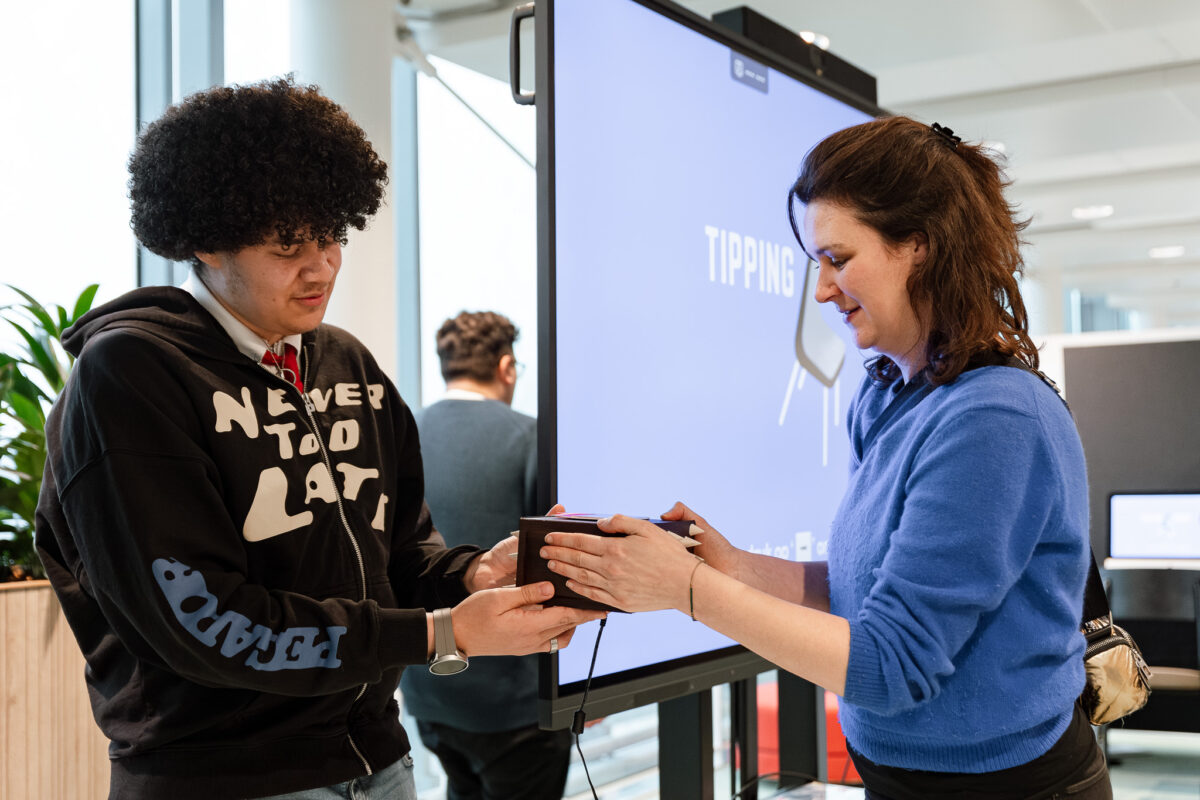
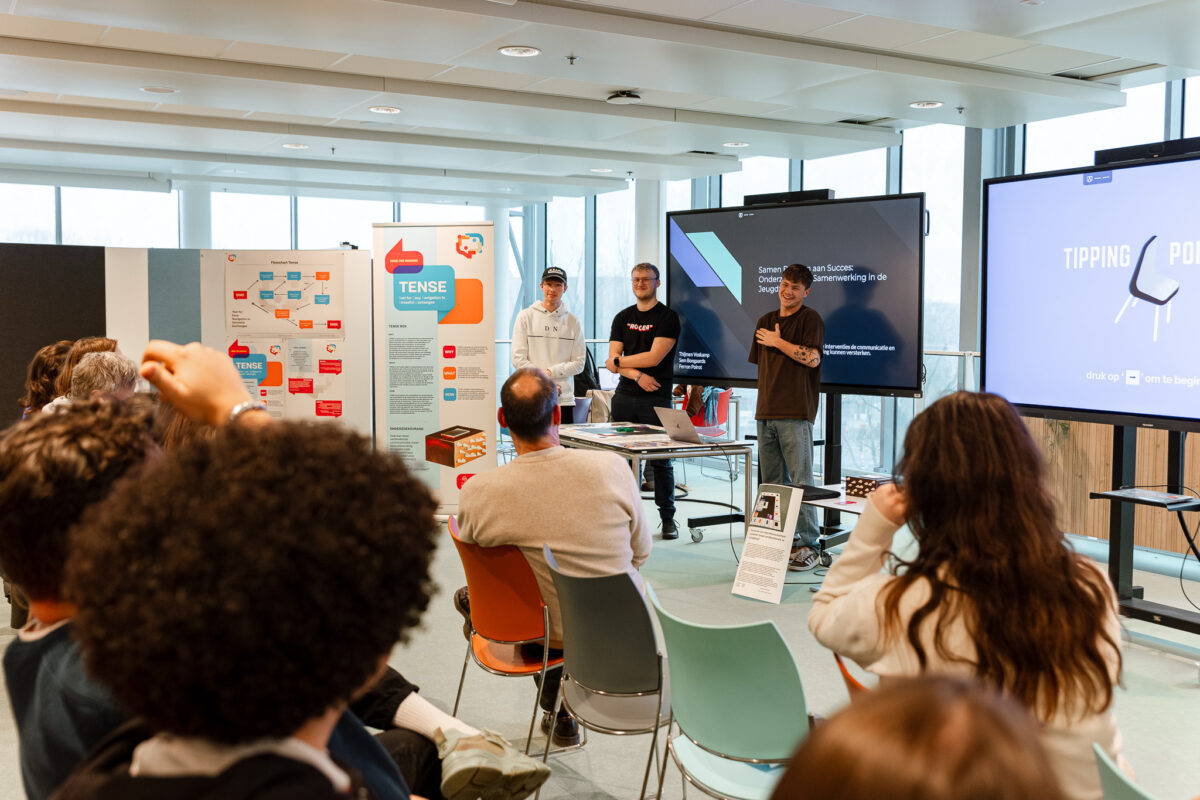
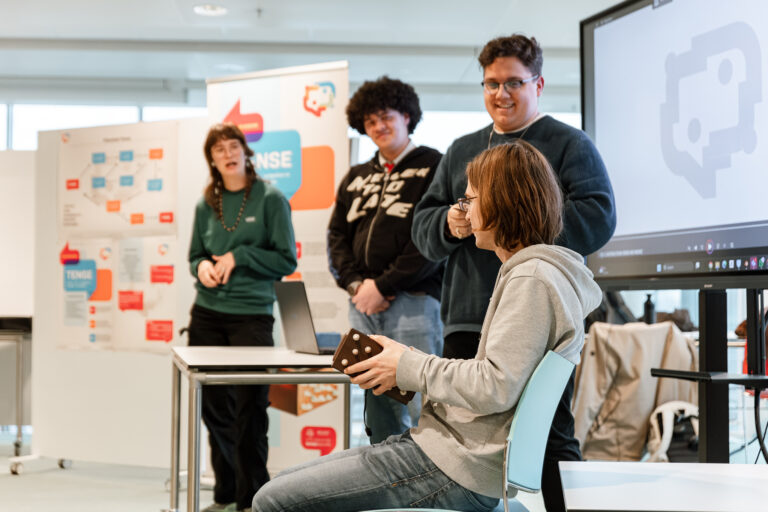
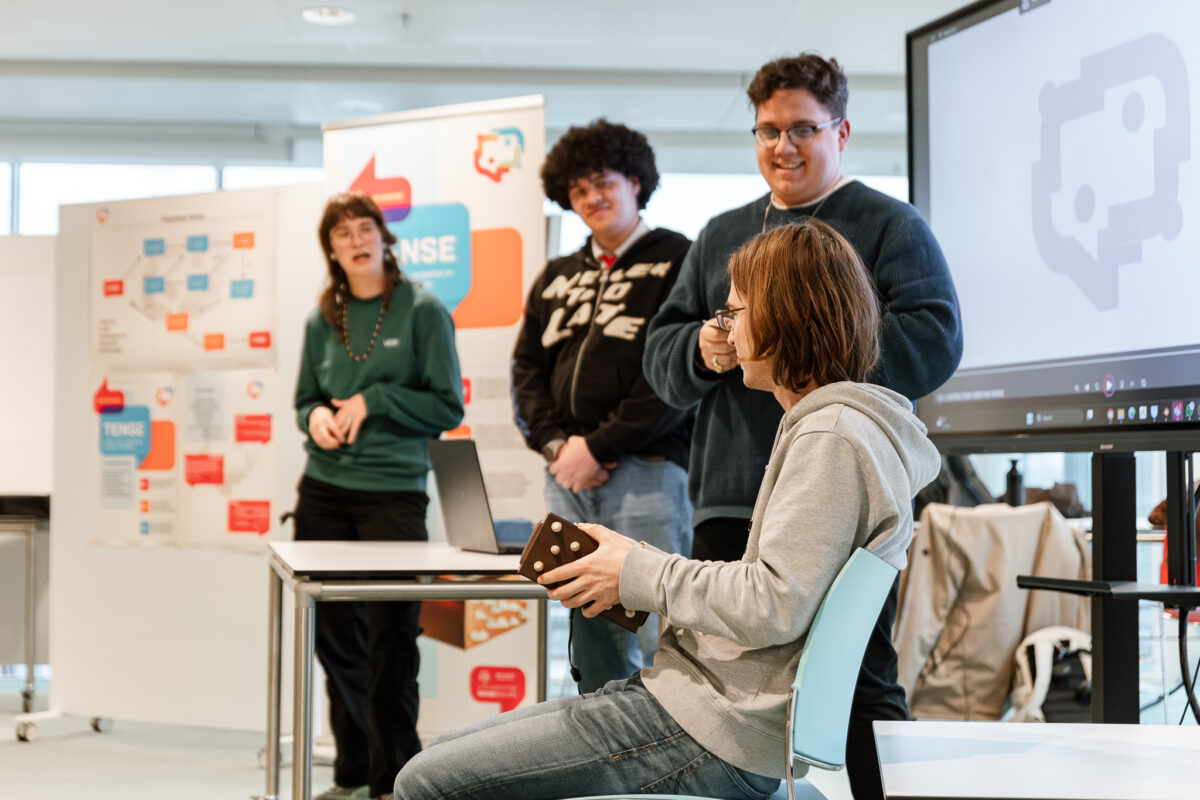
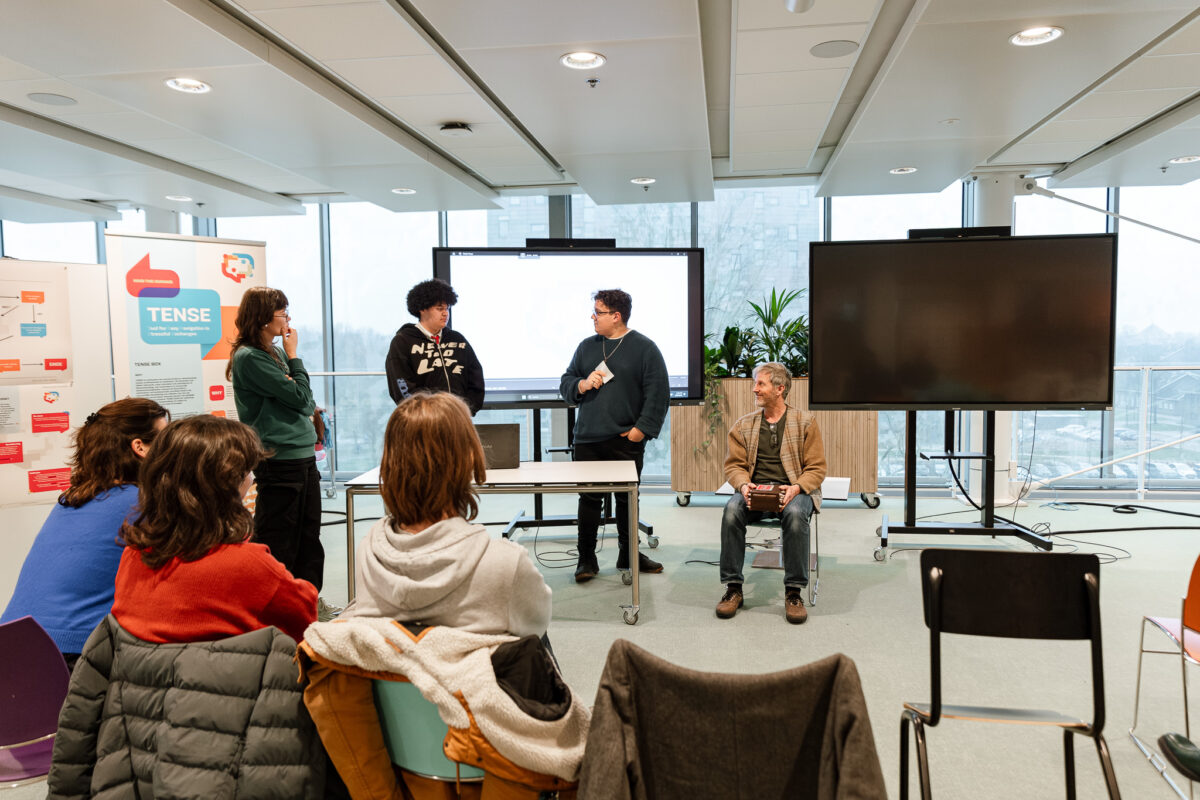
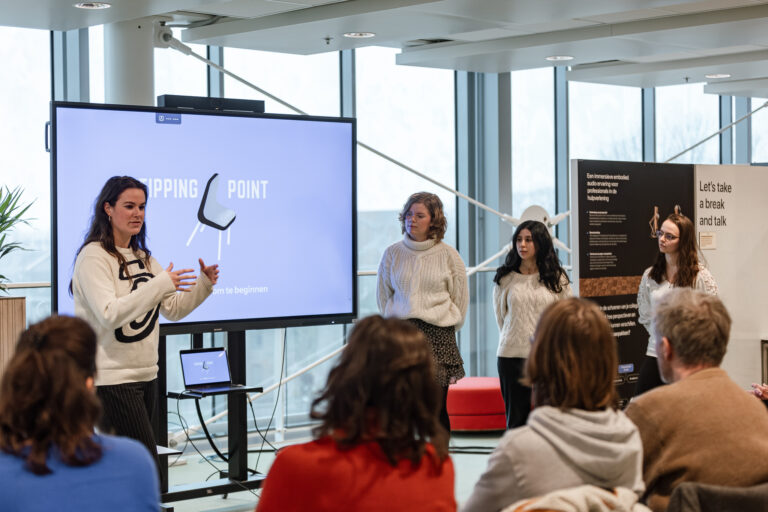
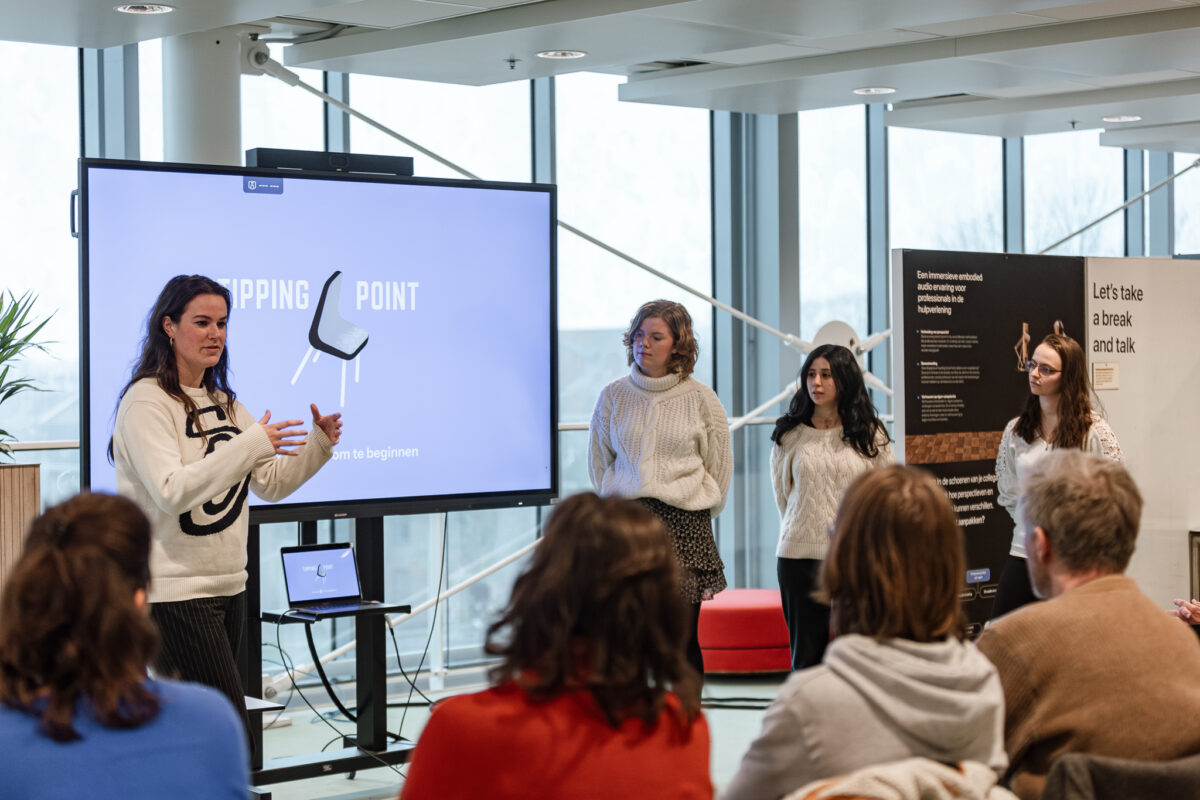
The insights gained from the workshop were instrumental in sharpening the students’ final prototypes, which where presented on Monday, January 20. The session provided an opportunity to evaluate the potential of interactive, embodied learning to improve collaboration in the aid and safety network.
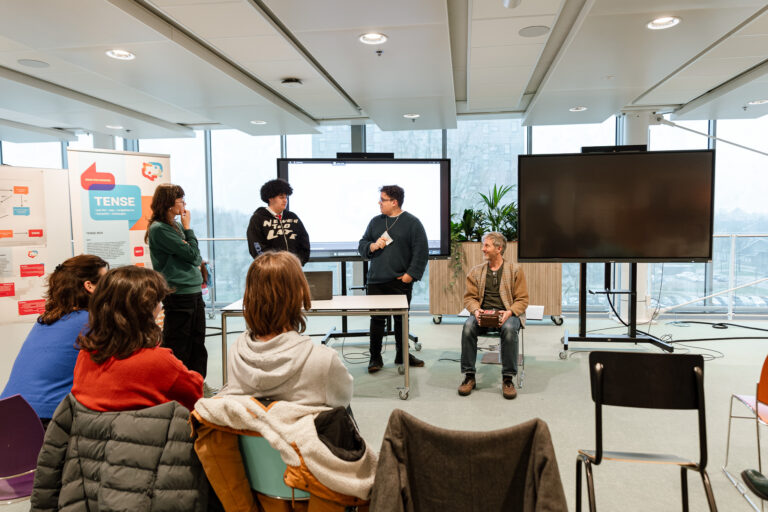
Three student teams presented their projects to attendees involved in the Mind the Gap research group. Each team formulated a specific, individual research question related to the overarching question from the lectorate. This approach resulted in a diverse range of research approaches and final prototypes.
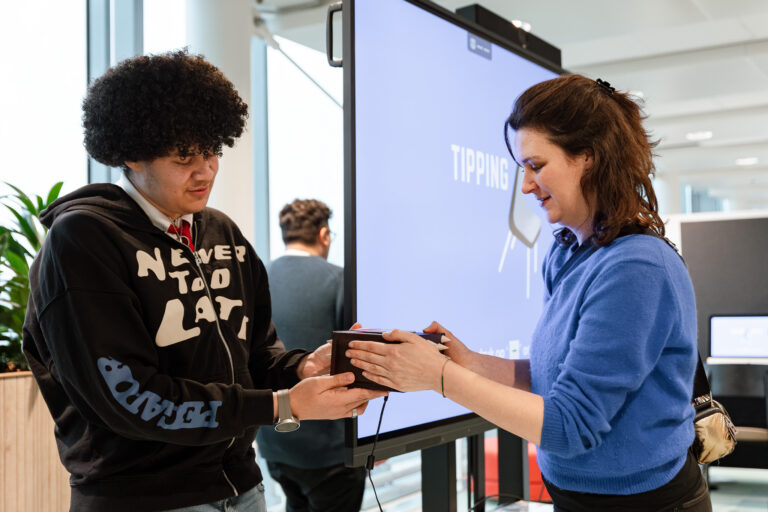
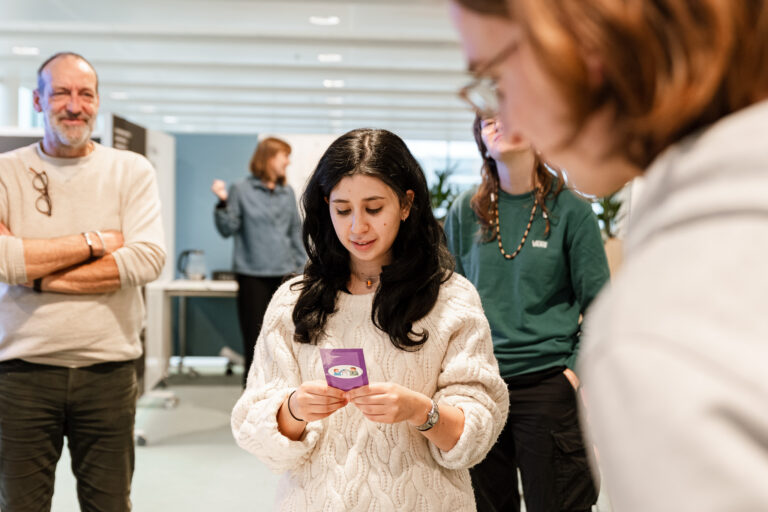
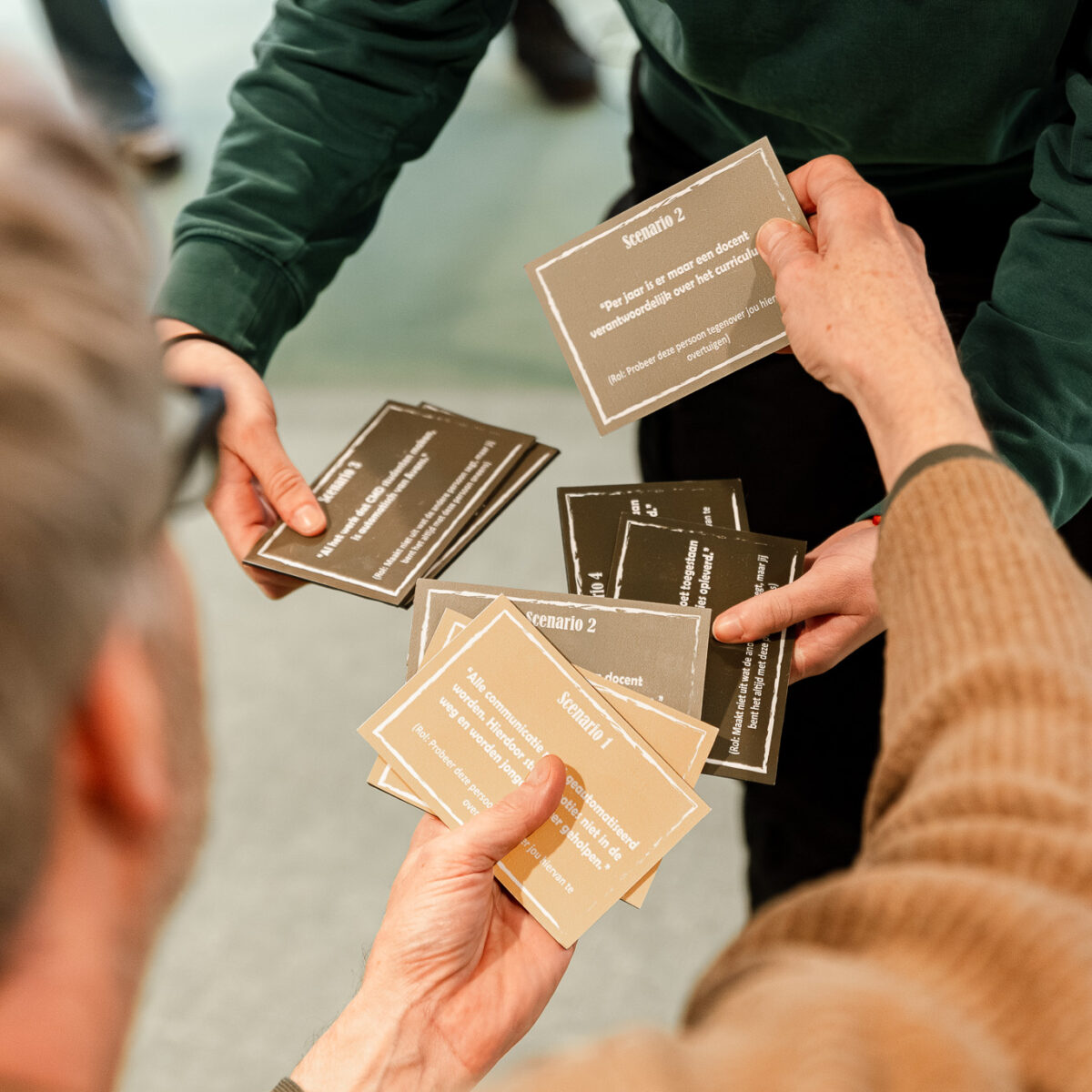
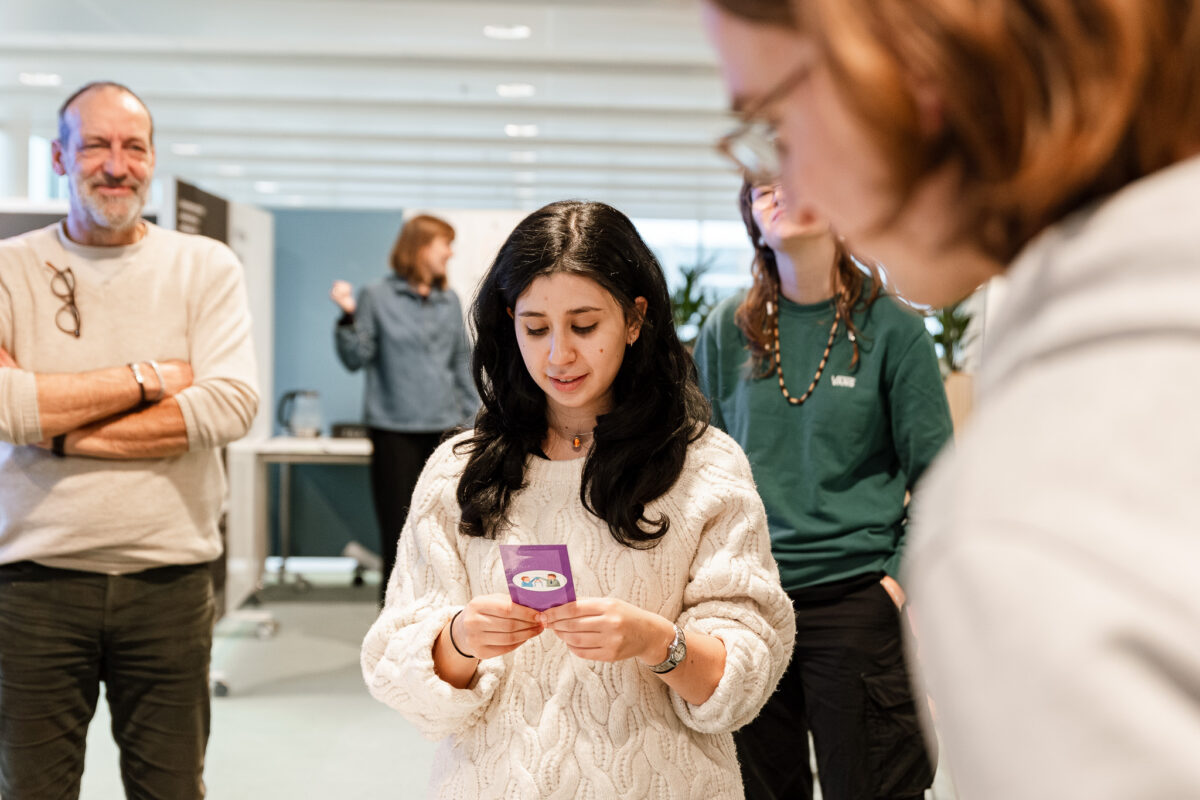
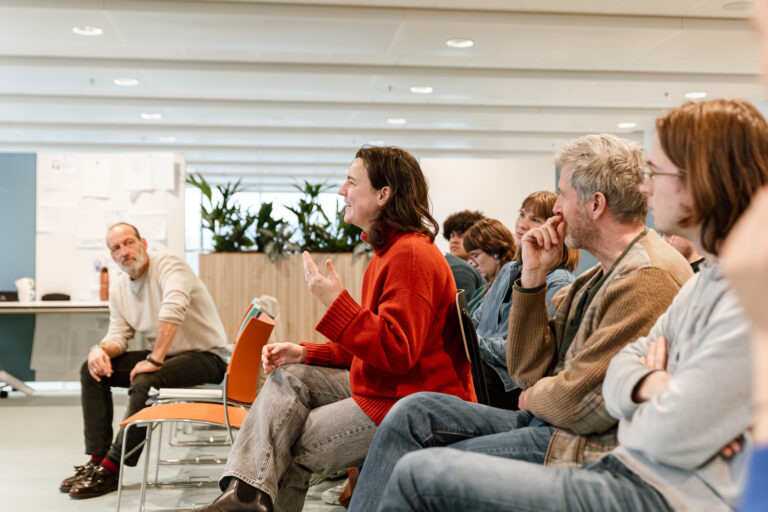
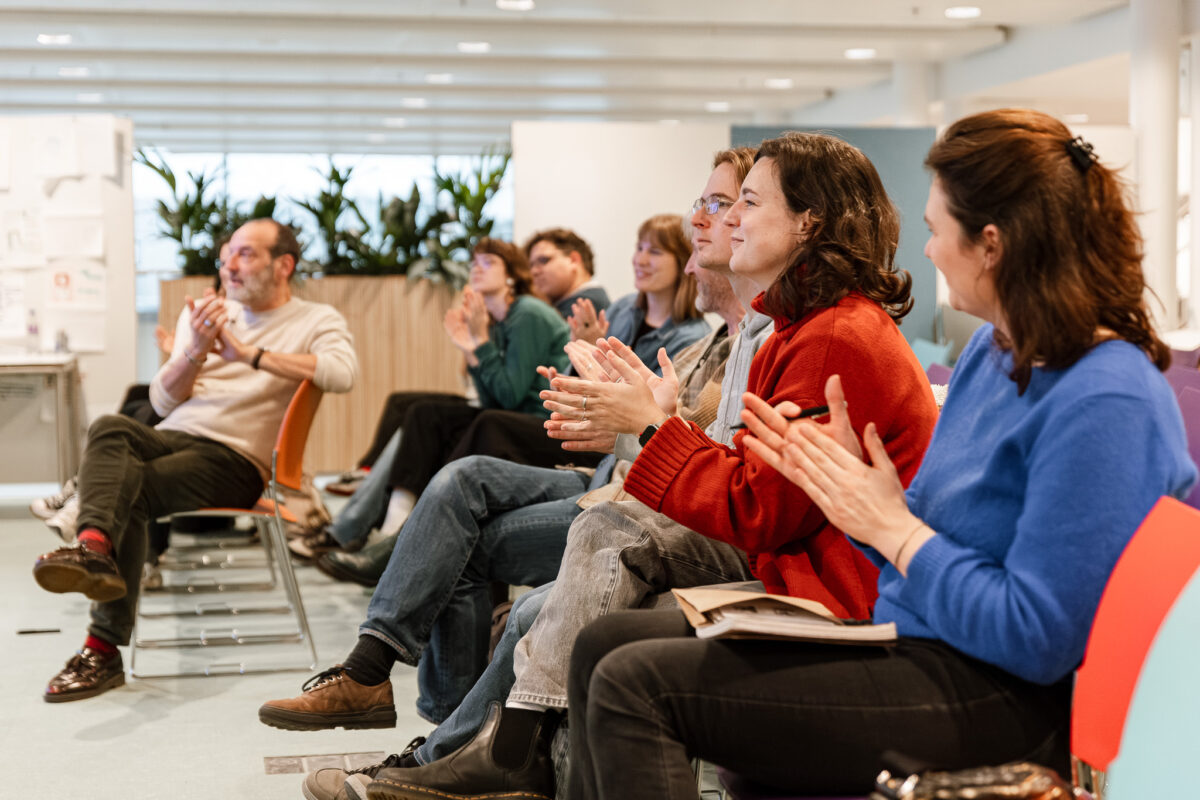
During the research period, the three teams tested an earlier prototype in the working environments of professionals at the Municipalities of Breda and Amsterdam, followed by further iterations to arrive at the final work presented. Attendees at the presentation were able to test the prototypes themselves and provide feedback during a follow-up discussion.
The prototypes showcased at the presentation included:
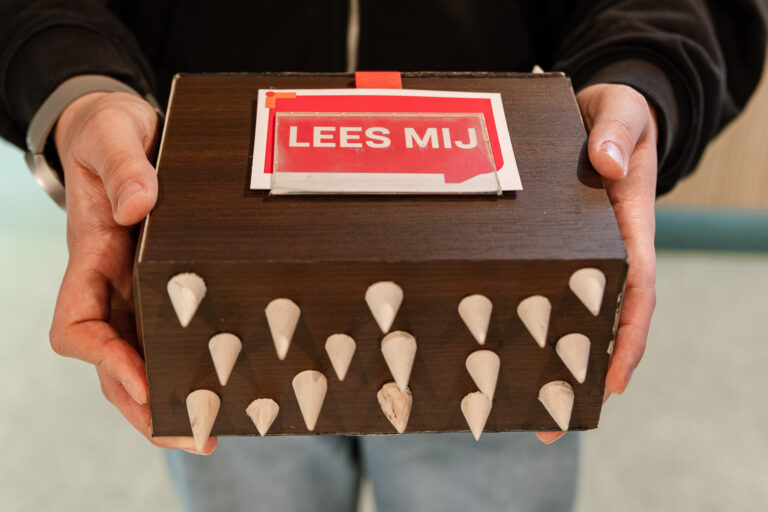
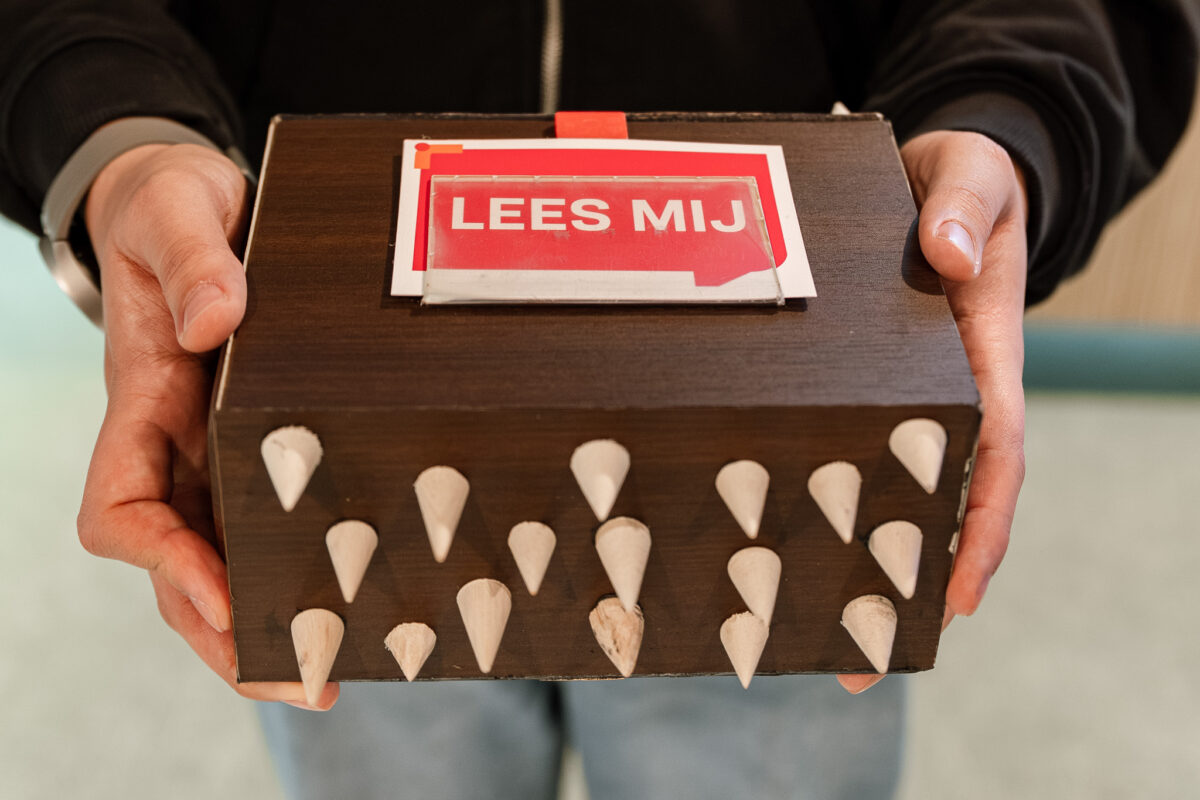
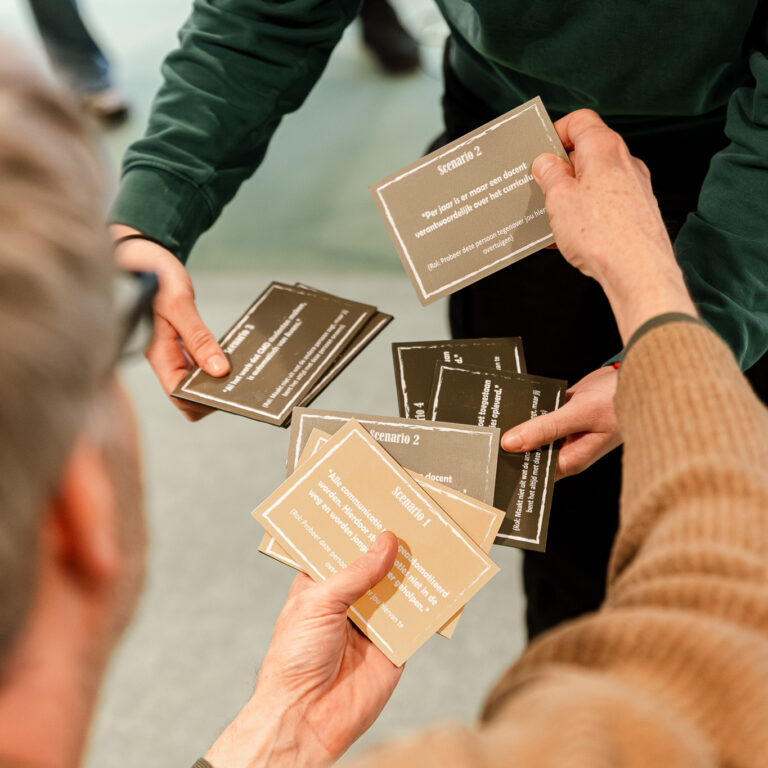
A conversation starter in the form of a small box with sharp points on the sides that can become quite hot. During a line-up, a professional answers challenging questions while holding the box. The addition and disruption of sensory stimuli during questioning sessions fostered more openness in the conversations.
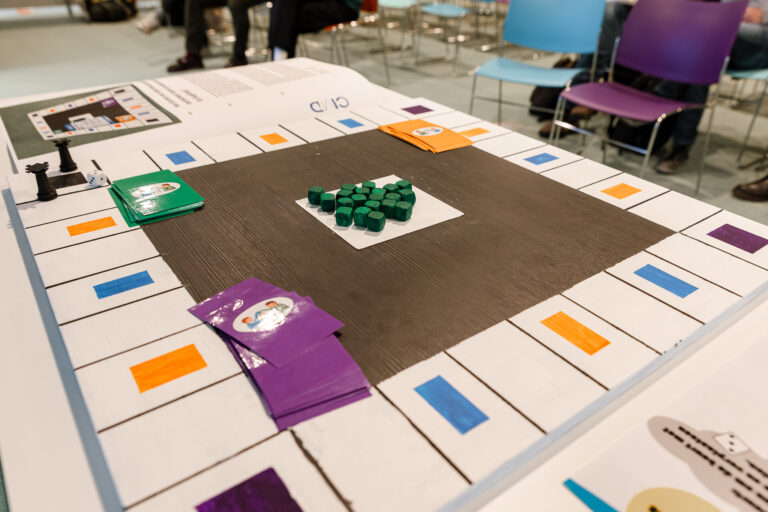
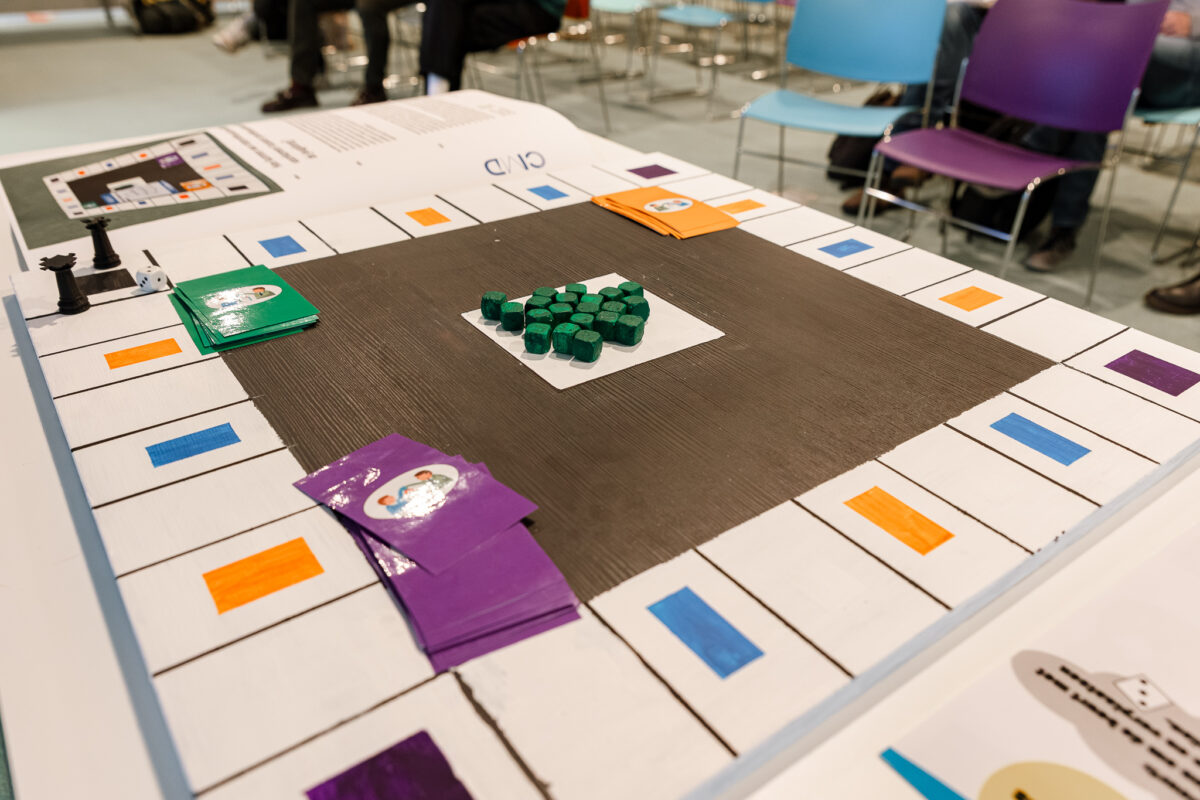
A game-based format aimed at combating compassion fatigue, designed to break routine and facilitate renewed focus during conversations.
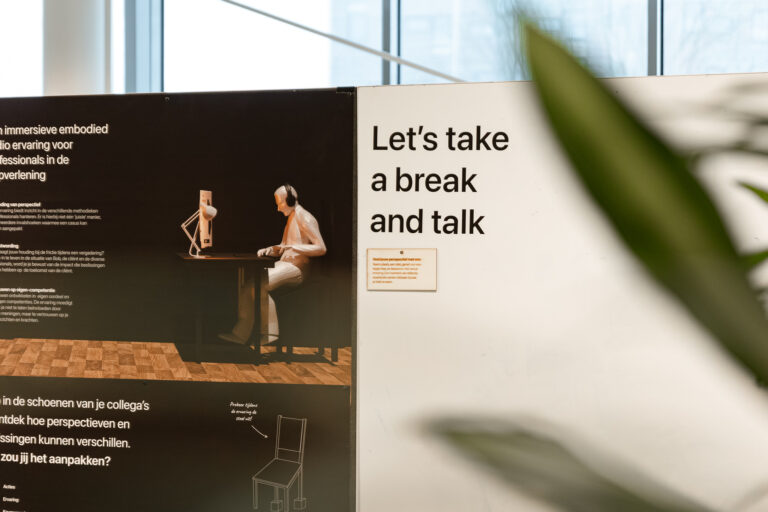
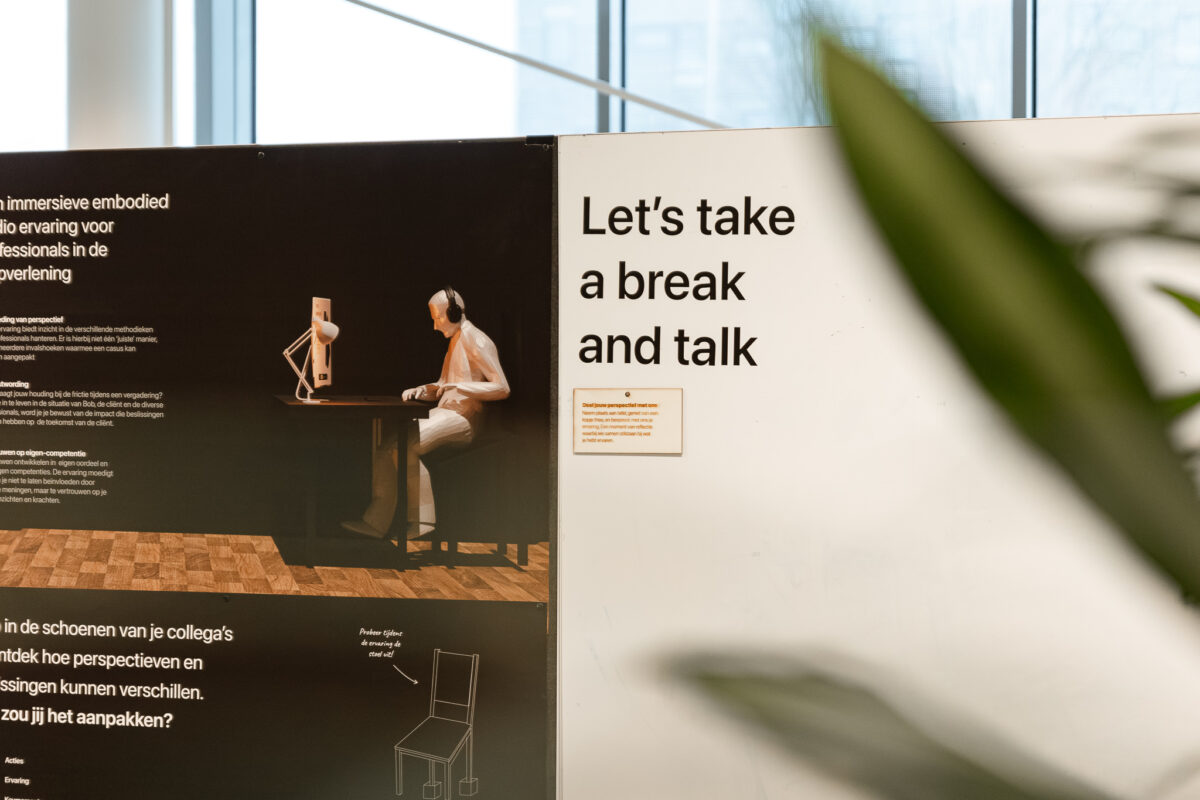
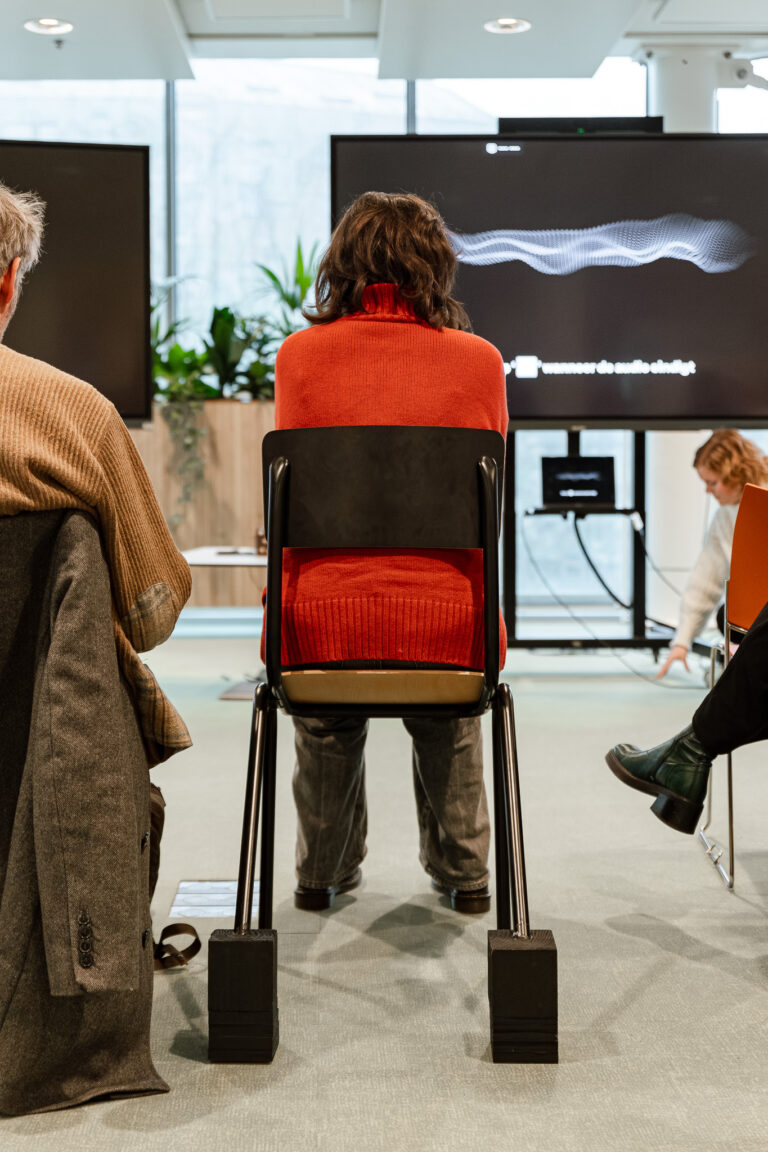
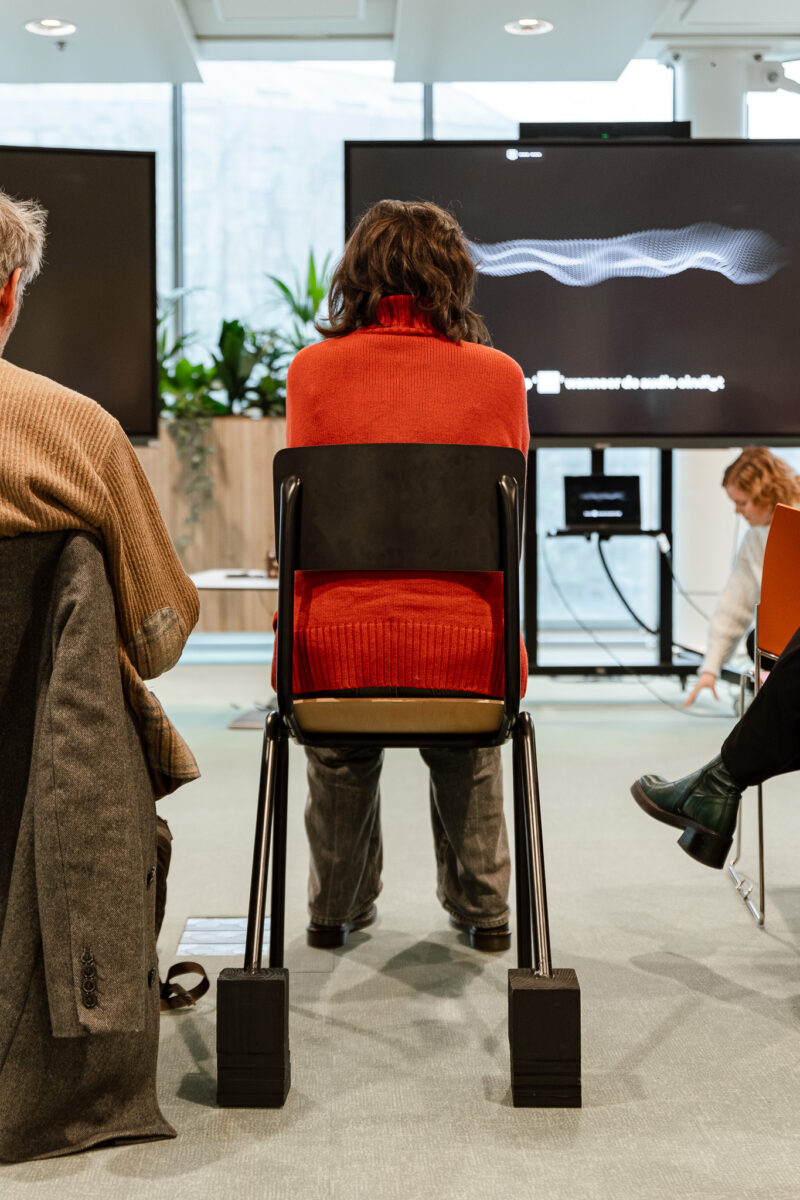
An immersive installation where the visitor sits on an adapted chair while attending a fictional case consultation from a somewhat uncomfortable position. This intervention intends to increase focus and concentration when making judgments about appropriate interventions within the case presented.
The various elaborations were not yet ready for immediate implementation but provided attendees with valuable insights and food for thought. This collaboration within the CMD lab will continue next academic year.
Credits
The following people were involved in the project:
Hugo van Roy and Moyra Besjes from CMD Breda.
Lector Henk Spies and researcher Noël Romijn from the Mind the Gap research group, part of the Centre of Expertise Safe & Resilient Society.
How can situated design contribute to dealing with misunderstood behaviour?
The number of incidents involving persons with disturbed behaviour is rising year on year. Reports registered by the police with the code E33 have increased from 74.936 in the year 2016 to 90.636 in 2018, and 102.353 in 2020. Behind these figures lie human suffering and social nuisance. Psychoses, dementia, suicidal behaviours, and other worrying situations can be misunderstood by neighbours or family. In the aftermath of police reports and social worker intervention, stories of these situations often end up in the hands of administrators and in the media, where the sufferers are discussed as ‘persons with disturbed behaviour’. Those who are given this label are deprived of their social selfhood, separated from regulated society .
A participation society calls for understanding and inclusiveness: at home, on the street, at school, and at work. Everyone must participate, everyone contributes. Friends, neighbours, relatives and colleagues comprise the social bedrock in which ‘people with confused behaviour’ live. How can artists and designers, as part of this bedrock, contribute to mutual understanding between those who need to relate to each other?
‘Imagination is the key to a strong inclusive society. Artistic work and situated design can contribute to a better understanding of the other.’
Jenny van den Broeke is a researcher within the Situated Art, Design and Technology research group, and a tutor on the Photography, Film & the Digital study programme at St. Joost school of Art & Design in Breda. In her own practice she works as a trainer, director, and producer of artistic projects that address social topics.
Research Group: Situated Art, Design and Technology
Living in cities developed around data and acting within the inscrutable structure of our techno-society demands art and design that can help understand how we relate to these rapidly changing surroundings and to reflect on that relationship. The research group Situated Art, Design and Technology responds to this exigency by fostering a situated turn in art and design through a diverse portfolio of interdisciplinary research projects in partnership with academic and cultural partners, as well as with government and industry.